
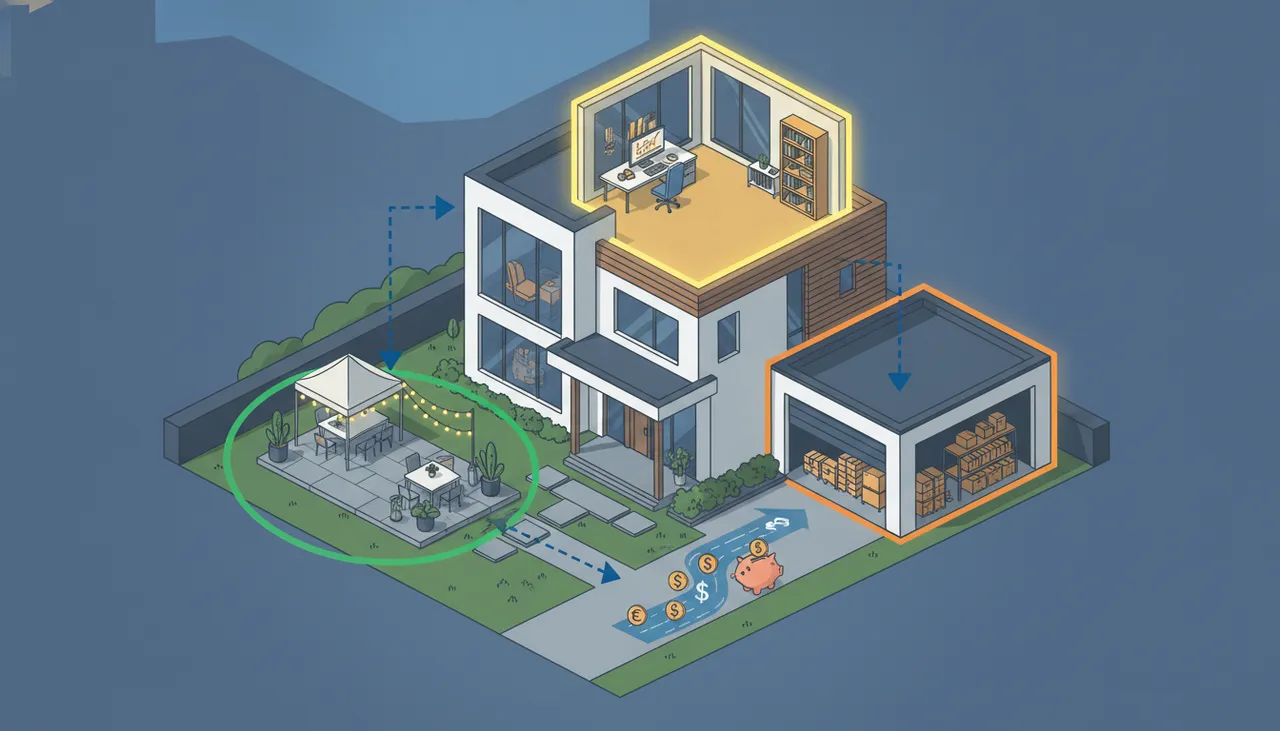
In today's dynamic real estate market, simply owning a residential property is no longer enough to maximize its financial potential. The 'Shared Space Leasing' strategy offers a powerful approach to unlock new revenue streams by intelligently utilizing underused areas within your property. This method goes beyond traditional rental models, allowing you to monetize specific spaces for short periods, catering to a diverse range of needs and significantly enhancing your property's profitability.
Understanding Shared Space Leasing
Shared space leasing involves renting out specific parts of your residential property, such as a dedicated home office, a guest bedroom, a garage, a garden, or even a specialized workshop, for short-term use. Unlike long-term tenancy, this strategy offers flexibility for both the owner and the user, addressing the growing demand for convenient, accessible, and affordable temporary spaces.
- Home Offices/Co-working Spaces: Renting out a dedicated room or a quiet corner equipped for work to remote professionals or freelancers.
- Storage Units: Utilizing unused garage space, a basement corner, or an attic for secure storage.
- Event/Meeting Spaces: Offering a large living room, garden, or patio for small gatherings, workshops, or photoshoots.
- Creative Studios: Providing a space for artists, musicians, or content creators that requires specific equipment or ambiance.
Key Benefits of This Strategy
Adopting shared space leasing offers several compelling advantages for property owners seeking to maximize their investment returns and enhance financial flexibility.
- Diversified Income Streams: Instead of relying on a single tenant, you create multiple revenue channels, reducing dependency and increasing overall income stability.
- Optimized Asset Utilization: Every square meter of your property can become a revenue generator, preventing valuable space from lying fallow.
- Increased Flexibility: You maintain control over your property, setting rental terms and availability to suit your lifestyle and preferences.
- Higher Profit Margins: Short-term rentals often command higher per-hour or per-day rates compared to long-term leases, especially for well-equipped or unique spaces.
- Adaptability to Market Demands: You can adjust your offerings based on local demand, economic shifts, or seasonal trends, ensuring your property remains competitive and profitable.
Practical Steps to Implement Shared Space Leasing
Transforming your residential property into a multi-income asset requires careful planning and execution. Follow these steps for a successful implementation:
- Assess Your Property's Potential: Identify underutilized spaces. Consider factors like access, privacy, existing amenities, and potential demand. A garage might be ideal for storage, while a spacious garden could host small events.
- Define Your Target Audience: Who are you trying to attract? Remote workers, artists, small businesses, or individuals needing temporary storage? Understanding your audience helps tailor your offering.
- Prepare and Optimize the Space: Ensure the space is clean, well-maintained, and equipped for its intended use. For a home office, this might mean a desk, chair, and reliable Wi-Fi. For storage, consider shelving and security.
- Understand Local Regulations and Insurance: Research local zoning laws, homeowner association rules, and any permits required for short-term rentals. Crucially, review your homeowner's insurance policy to ensure it covers commercial activities or short-term rentals, or consider obtaining a supplemental policy.
- Set Competitive Pricing: Research similar offerings in your area. Consider hourly, daily, or weekly rates. Factor in maintenance, utilities, and desired profit margins.
- Market Your Space Effectively: Utilize online platforms specializing in shared spaces. Professional photos and clear descriptions are essential. Highlight unique features and benefits.
- Implement a Clear Booking and Management System: Use booking platforms or create a simple system for managing reservations, payments, and communication.
- Prioritize Security and Access: Consider smart locks or keyless entry systems for secure and convenient access. Clearly communicate access procedures to users.
Technological Tools for Seamless Management
Leveraging technology is crucial for efficient management of your shared spaces, from booking to access control.
- Booking Platforms: Platforms like Splacer or Peerspace specialize in short-term space rentals for events, meetings, and creative work. For storage, Neighbor connects individuals with extra space to those needing storage.
- Smart Home Devices: Smart locks (e.g., August Smart Lock) allow remote access management. Smart thermostats (e.g., Nest) can optimize energy consumption.
- Communication Tools: Integrated messaging within booking platforms or dedicated apps like Slack can facilitate seamless communication with users.
- Payment Processing: Most booking platforms handle payments, but direct methods might involve services like Stripe for secure transactions.
By strategically applying the shared space leasing model, you can transform your residential property from a static asset into a dynamic, multi-faceted income generator. This approach not only boosts your financial returns but also contributes to a more efficient use of urban spaces, aligning with contemporary trends of flexible living and working.








Comments 0
No comments yet — be the first to share your thoughts.
Share your thoughts
To comment, sign in first — we email you a one-time code (no password). This keeps the discussion clean.
Sign in to comment →