
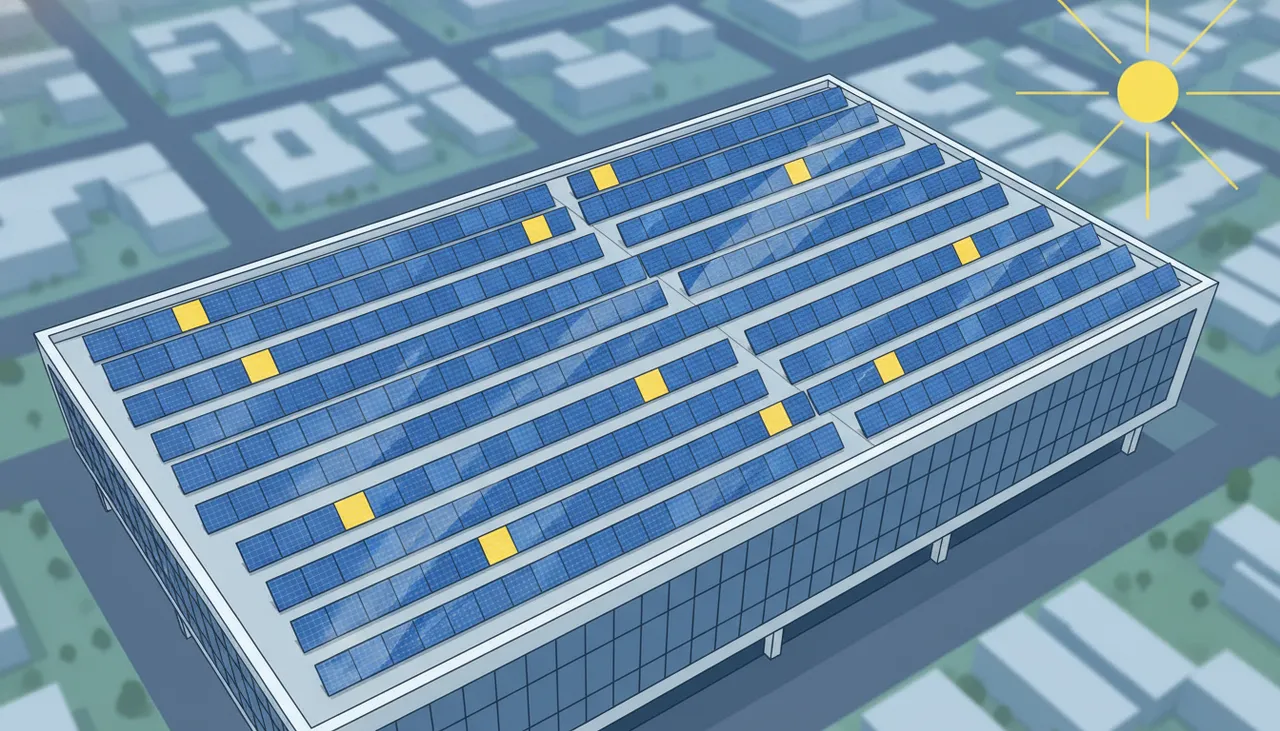
In today's dynamic real estate market, maximizing the utility and profitability of every square meter of property is paramount. Beyond traditional rental income from residential or commercial units, a groundbreaking strategy is emerging: leasing rooftops for renewable energy generation. This approach, particularly for solar power, not only provides a consistent, long-term revenue stream but also positions property owners at the forefront of sustainable development and green initiatives.
Understanding Rooftop Leasing for Renewable Energy
Rooftop leasing for renewable energy involves entering into an agreement with a renewable energy company, typically a solar energy provider, to install and operate solar panels or other energy generation equipment on the roof of your building. The property owner receives regular lease payments, while the energy company benefits from access to space for clean energy production.
- Long-term Income: Lease agreements often span 15-25 years, providing a stable and predictable income stream.
- Low Maintenance: The energy company is responsible for all installation, maintenance, and operational costs.
- Environmental Benefits: Contribute to reducing carbon emissions and promoting sustainable energy practices.
- Enhanced Property Value: Properties associated with green energy initiatives often see an increase in market appeal and value.
Identifying Suitable Properties
Not all rooftops are equally suited for renewable energy projects. Key factors for suitability include:
- Roof Size and Orientation: Larger, flat roofs or roofs with a south-facing orientation (in the Northern Hemisphere) are ideal for maximizing solar exposure.
- Structural Integrity: The roof must be structurally sound to support the weight of solar panels and associated equipment. A professional structural assessment is crucial.
- Shading: Minimal shading from adjacent buildings, trees, or other rooftop structures is essential for efficient energy generation.
- Accessibility: Easy access for installation and maintenance personnel is a practical consideration.
- Local Regulations: Understanding local zoning laws, building codes, and incentives for renewable energy projects is vital.
The Process: From Assessment to Agreement
- Initial Assessment: Contact several renewable energy companies for preliminary evaluations of your property's suitability.
- Feasibility Study: Companies will conduct a detailed study, including structural analysis, shading analysis, and energy production estimates.
- Negotiate Lease Terms: Key terms include lease duration, payment structure (fixed rent, percentage of energy generated, or a hybrid), escalation clauses, and responsibilities for maintenance and insurance.
- Legal Review: Engage legal counsel experienced in real estate and energy contracts to review the lease agreement thoroughly.
- Installation and Operation: Once the agreement is finalized, the energy company handles all aspects of installation, connection to the grid, and ongoing operation.
Financial Implications and Benefits
The financial benefits extend beyond direct lease payments:
- Stable Passive Income: Enjoy consistent income without active management.
- Inflation Protection: Lease agreements often include annual escalation clauses, protecting against inflation.
- Reduced Energy Costs: In some arrangements, property owners may receive discounted electricity from the panels installed on their roof.
- Tax Incentives: Explore local, regional, or national tax credits and incentives for property owners who facilitate renewable energy projects.
By transforming unused rooftop space into a productive asset for renewable energy, property owners can unlock significant financial value while contributing to a sustainable future. This strategy represents a smart investment, offering long-term stable income and enhanced property appeal in an increasingly environmentally conscious market.





Comments 0
No comments yet — be the first to share your thoughts.
Share your thoughts
To comment, sign in first — we email you a one-time code (no password). This keeps the discussion clean.
Sign in to comment →