

In the evolving landscape of real estate investment, simply buying and holding a property might no longer be the most profitable strategy. The 'Property Deconstruction' strategy offers a sophisticated approach to significantly boost returns by re-imagining a single asset as a collection of diverse income streams. Instead of viewing a building as one monolithic entity, this strategy involves meticulously breaking it down into its core components and optimizing each part for maximum revenue generation. This guide delves into the practical application of this powerful strategy, enabling you to uncover hidden value and achieve superior financial outcomes.
Understanding Property Deconstruction
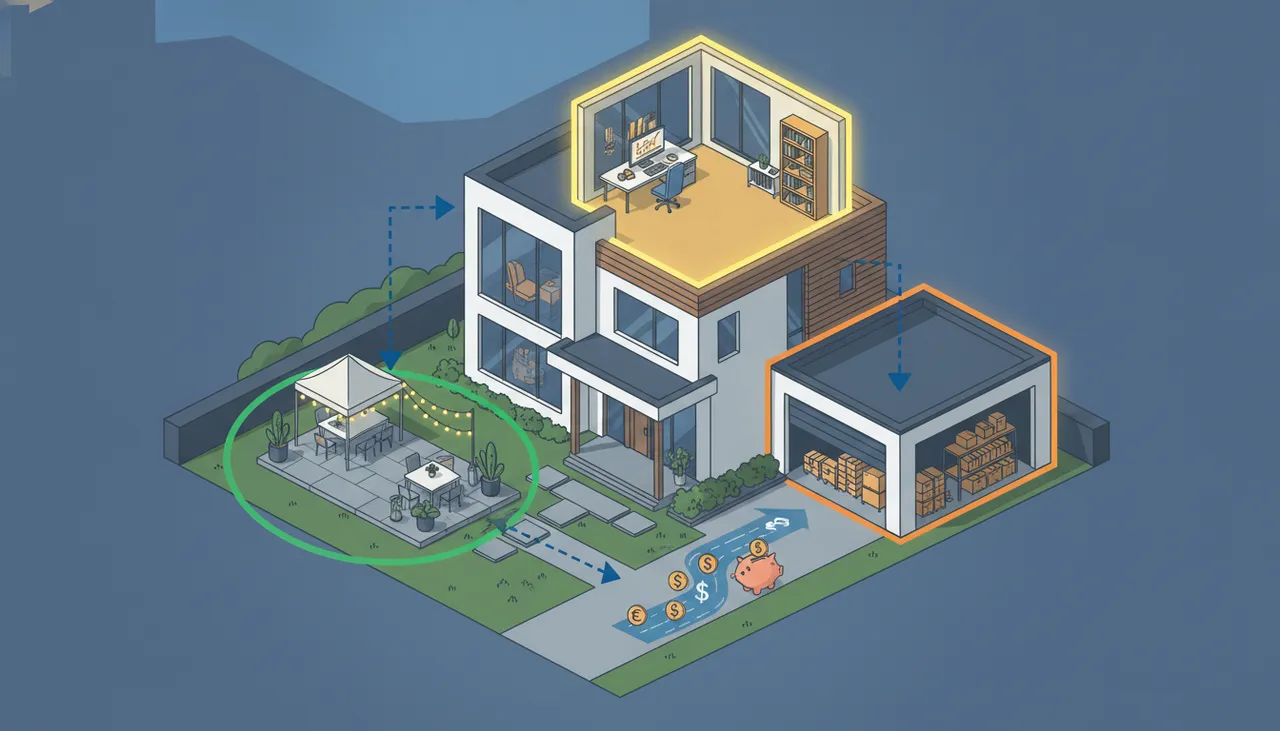
Property deconstruction isn't about physical demolition; it's a strategic re-evaluation of a property's potential. It means identifying distinct spaces, functionalities, and services within a single structure that can be monetized independently. Consider an apartment building: traditional investment focuses on renting out units. Deconstruction, however, might involve converting a basement into a shared workspace, a rooftop into a rentable event space, or even dedicating a portion of the ground floor to a micro-retail unit. The goal is to move beyond the primary use case and tap into every conceivable revenue opportunity.
Identifying Deconstruction Opportunities
The first step in implementing this strategy is to develop an eagle eye for untapped potential. This requires a thorough analysis of the property's physical characteristics, its location, and the demand within the local market. Here are key areas to focus on:
- Underutilized Spaces: Basements, attics, unused common areas, oversized garages, or even exterior plots can often be repurposed for new income streams. Think about storage units, small workshops, or even pop-up kiosks.
- Zoning and Regulatory Flexibility: Investigate local zoning laws. Can a residential property have a commercial component? Are there regulations for short-term rentals, co-working spaces, or event venues? Understanding these boundaries is crucial.
- Market Demand Analysis: What services or spaces are lacking in the immediate vicinity? Is there a demand for shared office space, short-term accommodation, dedicated parking, or even community gardens? Use local business data, demographic trends, and direct surveys to gauge this.
- Technological Integration: Can smart home technology facilitate fractional ownership or on-demand services (e.g., smart lockers for package delivery, automated access for rental spaces)?
Implementing Deconstruction: Practical Steps
Once opportunities are identified, the next phase involves meticulous planning and execution. This is where the real value creation happens.
- Detailed Feasibility Study: Before any investment, conduct a comprehensive study. This includes architectural assessments, cost estimations for renovations, legal consultations regarding permits and zoning, and a detailed financial projection of potential new income streams versus expenses.
- Space Optimization and Redesign: Engage with architects or interior designers experienced in maximizing space utility. This might involve creating smaller, more functional units, installing separate entrances, or designing flexible spaces that can serve multiple purposes throughout the day.
- Diversified Lease Agreements: Instead of a single master lease, explore various rental models. This could include long-term residential leases, short-term commercial leases (for retail kiosks), hourly or daily rentals (for event spaces or meeting rooms), and even subscription models (for co-working spaces).
- Marketing Each Income Stream Independently: Each deconstructed element needs its own targeted marketing strategy. A residential unit will be marketed differently than a co-working desk or a rooftop event space. Leverage specialized platforms for each segment.
- Operational Management: Managing multiple income streams requires robust operational systems. Consider property management software that can handle various booking types, payment processing, and tenant communications. Automated access control and surveillance systems can also be invaluable.
Case Study: A Mixed-Use Building Transformation
Consider a three-story building in a bustling urban area. Historically, it functioned as two large residential apartments and a ground-floor retail unit. Through the 'Property Deconstruction' strategy, the owner transformed it:
- Ground Floor: Retained a smaller retail unit but converted an underutilized back office into a small, high-tech self-service laundry facility, accessible 24/7, serving both building residents and the local community.
- Second Floor: Divided the large apartment into three smaller, furnished short-term rental units, targeting business travelers and tourists.
- Third Floor: Reconfigured the remaining large apartment into a co-living space with five private bedrooms and shared common areas (kitchen, living room), rented on a monthly basis to young professionals.
- Rooftop: Developed into a stylish, reservable event space with city views, marketed for private gatherings and corporate events.
This strategic deconstruction allowed the owner to generate significantly higher revenue than traditional long-term residential leases alone, diversifying income sources and reducing reliance on a single market segment.
The 'Property Deconstruction' strategy represents a paradigm shift in real estate investment. By adopting a granular approach to asset utilization, investors can unlock unprecedented levels of profitability from existing properties. It demands creativity, market insight, and meticulous execution, but the rewards—in terms of diversified, multiplied income streams—are substantial. Embrace this innovative strategy to redefine your real estate portfolio and secure a leading edge in a competitive market.







Comments 0
No comments yet — be the first to share your thoughts.
Share your thoughts
To comment, sign in first — we email you a one-time code (no password). This keeps the discussion clean.
Sign in to comment →