

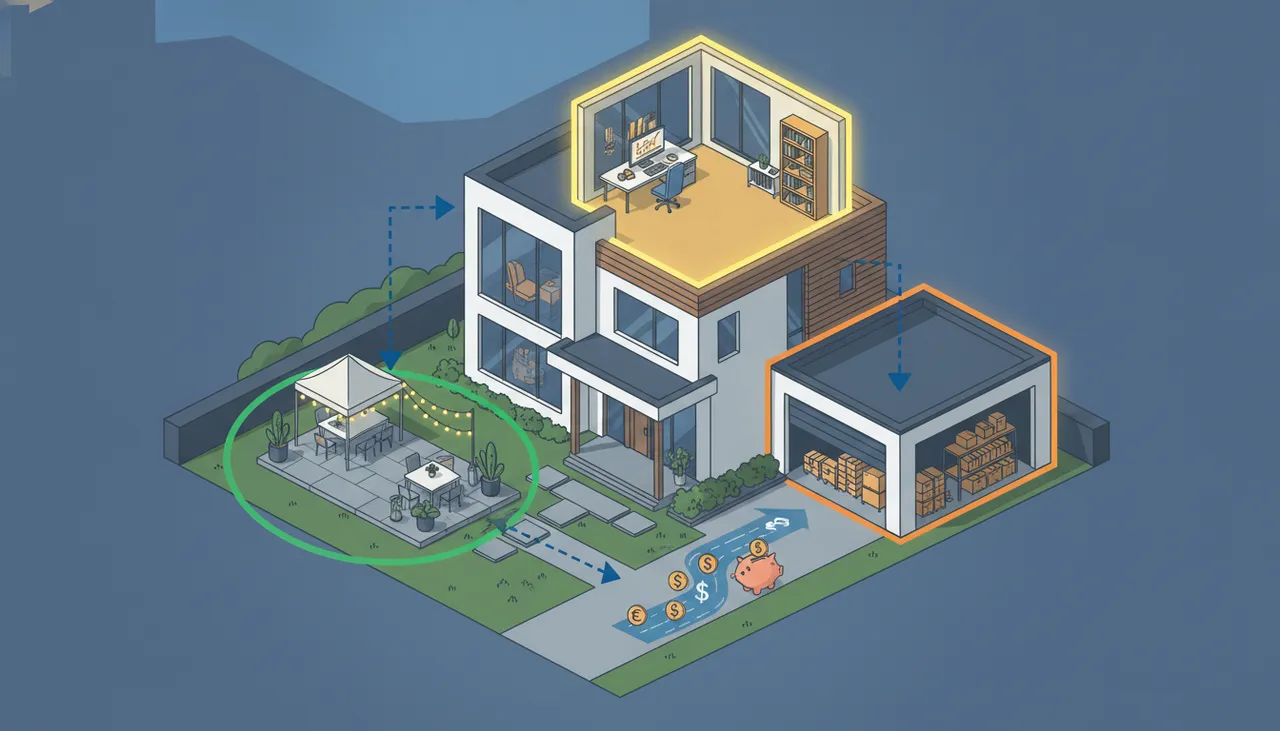
Acquiring a property is merely the first step in a strategic investment journey. The true genius of real estate investment lies in the 'after-purchase' phase, where astute management and innovative approaches convert a static asset into a dynamic income generator. This article delves into two powerful tactics: short-term rentals and fractional development, offering a practical roadmap to maximize your returns and elevate your financial portfolio.
The Core Principle: Shifting from Passive to Active Asset Management
Many investors view property ownership as a long-term, buy-and-hold strategy. While valid, this often leaves significant value untapped. The shift to active asset management means continuously seeking opportunities to enhance property value and generate cash flow. Instead of waiting for market appreciation, you actively create it through strategic interventions.
Tactic 1: Mastering Short-Term Rentals (STRs)
The rise of platforms like Airbnb and Booking.com has democratized the hospitality industry, allowing individual property owners to compete with traditional hotels. But success in STRs goes beyond simply listing your property.
- Market Research and Niche Identification: Before listing, understand your local market. Is there high demand for tourist accommodation, business travelers, or perhaps families visiting local attractions? Identify your target guest. For instance, a property near a university might excel with visiting professors or parents, while one in a bustling city center suits business travelers.
- Optimizing Your Property for STRs: This isn't just about aesthetics; it's about functionality. Consider smart home devices (smart locks, thermostats) for remote management, high-speed internet, a fully equipped kitchen, and comfortable, durable furniture. Professional photography is non-negotiable for compelling listings.
- Dynamic Pricing Strategy: Don't set a static price. Utilize tools that analyze local demand, seasonality, events, and competitor pricing to adjust your rates dynamically. This maximizes occupancy during low seasons and capitalizes on peak demand.
- Automating Management: From guest communication to cleaning schedules and key exchange, automation is key to scalability. Explore property management software (PMS) that integrates with various booking platforms to streamline operations.
- Legal and Regulatory Compliance: STRs are subject to local regulations, which vary widely. Research permits, licenses, zoning laws, and tax obligations to avoid costly penalties.
Tactic 2: Unlocking Value Through Fractional Development
Fractional development involves dividing a property into smaller, independently viable units, each capable of generating its own income stream. This can significantly increase the property's overall revenue potential.
- Subdivision of Land: If you own a large parcel of land, consider subdividing it into smaller lots for sale or individual development. This is particularly lucrative in areas experiencing urban sprawl or high demand for new housing.
- Converting Single-Family Homes into Multi-Unit Dwellings: Subject to zoning laws, a large single-family home can often be converted into duplexes, triplexes, or even apartments. Each unit can then be rented out, dramatically increasing rental income. This requires careful planning, architectural design, and adherence to building codes.
- Commercial Space Subdivision: A large commercial building can be partitioned into smaller retail units, office spaces, or co-working areas. This diversifies your tenant base and allows for higher per-square-foot rental rates.
- Adding Accessory Dwelling Units (ADUs): Many municipalities are now encouraging or even mandating the construction of ADUs (e.g., granny flats, basement apartments). These are separate, smaller living units on the same property that can be rented out independently.
- Strategic Renovation and Repurposing: Sometimes, a property just needs a new purpose. An old warehouse might become a trendy co-working space, or an outdated office building could be converted into residential lofts.
Practical Steps to Implement These Tactics
- Thorough Due Diligence: Before any significant investment or renovation, conduct comprehensive market research, feasibility studies, and financial projections. Understand the local demand, potential rental yields, and all associated costs.
- Regulatory Deep Dive: Laws pertaining to STRs, subdivisions, and conversions vary significantly by location. Consult with local planning departments, lawyers, and real estate professionals to ensure full compliance.
- Financial Modeling: Create detailed financial models for each proposed strategy. Calculate projected revenues, operating expenses, renovation costs, and potential return on investment (ROI). Consider different scenarios (optimistic, realistic, pessimistic).
- Engage Professionals: For STRs, consider a professional property manager if you lack the time or expertise. For fractional development, collaborate with architects, contractors, and urban planners. Their expertise is invaluable.
- Start Small, Scale Smart: If new to these strategies, consider piloting a smaller project (e.g., one STR unit or a simple ADU addition) before committing to larger-scale developments. Learn from your initial experiences.
- Leverage Technology: Utilize property management software, dynamic pricing tools, and smart home devices to optimize operations and enhance guest experience.
By actively engaging in 'post-purchase' strategies like short-term rentals and fractional development, you transform your real estate investments from passive assets into powerful engines of wealth generation. This proactive approach not only accelerates your returns but also builds a resilient and diversified investment portfolio.







Comments 0
No comments yet — be the first to share your thoughts.
Share your thoughts
To comment, sign in first — we email you a one-time code (no password). This keeps the discussion clean.
Sign in to comment →