Executive Summary
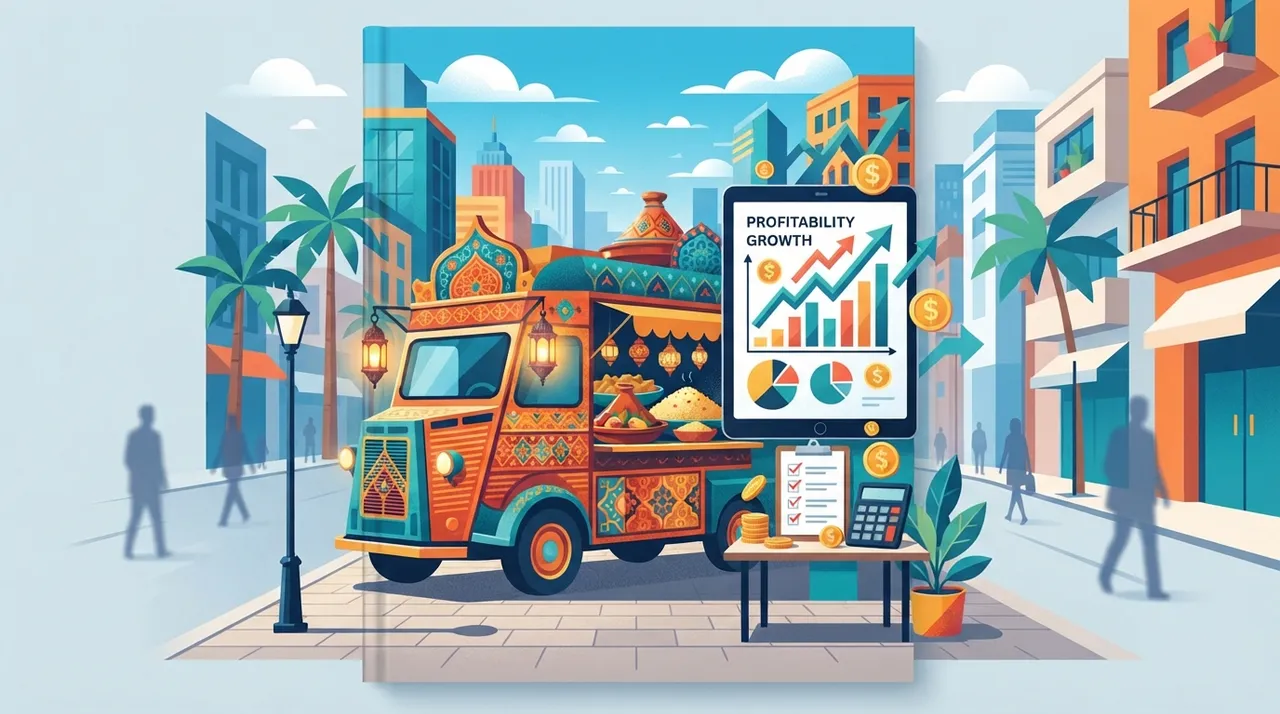
The "Mobile Syrian Heritage Kitchen" project: fully equipped food trucks serving authentic traditional Syrian meals (such as Kubbeh, Yabraq, Mujaddara, Fattat) in various urban areas of Syria in the Restaurants and Food sector in Syria targets a promising market opportunity. With an investment of ٨٠٠٬٠٠٠٬٠٠٠ SYP, it achieves a Net Present Value (NPV) of ٧٥٤٬٤٦٥٬٥٠٤ SYP, an Internal Rate of Return (IRR) of ٥١٪, and a payback period of 1.9 years.
| Indicator | Value |
|---|---|
| Initial Investment | ٨٠٠٬٠٠٠٬٠٠٠ SYP |
| First Year Revenue | ١٬٢٠٠٬٠٠٠٬٠٠٠ SYP |
| Annual Growth (CAGR) | ١٥٪ |
| Net Margin (Y1) | ١٩٪ |
| Return on Investment (Avg) | ٤٥٪ annually |
| Net Present Value (NPV) | ٧٥٤٬٤٦٥٬٥٠٤ SYP |
| Internal Rate of Return (IRR) | ٥١٪ |
| Profitability Index (PI) | ٢ |
| Payback Period | ٢ years |
| Breakeven Year | Year ٢ |
| Expected NPV (Probability-Weighted) | ٧٦٧٬٢٩٦٬٢٩٤ SYP |
Assumptions and Basis
The figures in this study are based on project data, the nature of the Restaurants and Food sector in Syria, and local market indicators, according to the following assumptions:
| Assumption | Value |
|---|---|
| Initial Capital | ٨٠٠٬٠٠٠٬٠٠٠ SYP |
| First Year Revenue | ١٬٢٠٠٬٠٠٠٬٠٠٠ SYP |
| Annual Growth | ١٥٪ |
| Cost of Goods Sold (COGS) | ٣٥٪ of Revenue |
| Operating Expenses | ٣٠٪ of Revenue |
| Tax/Zakat | ١٢٪ |
| Discount Rate (WACC) | ١٨٪ |
| Study Horizon | ٥ years |
Basis of Assumptions: Figures are based on estimated average costs for truck equipment, licenses, raw materials, and labor in Syria for 2026, considering the changing economic environment, inflation, and restaurant taxes.
Project Description and Opportunity
The "Mobile Syrian Heritage Kitchen" project is a response to the growing demand for authentic traditional Syrian meals in Syrian cities. It combines the rich heritage of Syrian cuisine with the flexibility of the mobile food truck concept. The project aims to provide a unique and convenient dining experience for customers through fully equipped trucks serving dishes such as Kubbeh, Yabraq, Mujaddara, and Fattat in vibrant and varied locations. The business model relies on direct customer access in gathering places, offices, universities, and events, which reduces the fixed costs of traditional restaurants and increases the flexibility of deployment. The target audience includes a wide range of residents, from young people and workers seeking quick and delicious meals to families who prefer high-quality traditional food.
Market and Demand Study
The restaurant and food market in Syria is undergoing significant transformations, with increasing reliance on fast food and delivery applications. Despite economic challenges, demand for good and diverse food remains high, especially for traditional meals that carry an authentic character. Demand drivers include changing lifestyles, the search for convenience and speed, and a preference for healthy and delicious foods. This trend reflects significant opportunities for food truck projects, which offer innovative solutions to meet these needs. Inflation and rising prices pose a challenge, but focusing on value and quality can create customer loyalty.
Market Sizing (TAM / SAM / SOM)
The market sizing methodology is based on estimating the size of the food and beverage market in major Syrian cities, with a focus on the fast food and mobile restaurant sector. Total Addressable Market (TAM) is estimated based on total out-of-home food spending. Serviceable Available Market (SAM) focuses on the segment of consumers interested in traditional Syrian meals who prefer mobile food options. Serviceable Obtainable Market (SOM) represents the percentage of the available market that the project can realistically capture during the initial years, based on the number of trucks, operational capacity, and coverage areas. The average prices of Syrian meals, local purchasing power, sector growth, and current competition are taken into consideration.
| Level | Annual Size | Description |
|---|---|---|
| TAM — Total Available Market | 250000.0 million SYP | Total serviceably addressable demand |
| SAM — Serviceable Available Market | 50000.0 million SYP | Portion accessible by your model |
| SOM — Serviceable Obtainable Market | 5000.0 million SYP | Your realistic early share |
Basis of Sizing: Market sizing relies on estimating the size of the food and restaurant market in major Syrian cities, focusing on a specific segment of the population looking for quick, high-quality, and affordable meals, while considering the growth of the fast-food sector and consumer desire for new experiences.
Unit Economics
Measures the profitability of each sales unit/customer — the most accurate feasibility indicator:
| Unit Indicator | Value |
|---|---|
| Sales Unit | Dish |
| Avg. Price/Revenue per Unit | ٤٠٬٠٠٠ SYP |
| Customer Acquisition Cost (CAC) | ٨٠٠ SYP |
| Customer Lifetime Value (LTV) | ٢٤٠٬٠٠٠ SYP |
| LTV/CAC Ratio | ٣٠٠× (Healthy) |
| Contribution Margin | ٦٥٪ |
Competitive Analysis
Competitors include traditional restaurants offering Syrian food, other fast-food outlets, and potentially a few existing mobile food trucks. The sustainable advantage of the "Mobile Syrian Heritage Kitchen" project lies in the quality and innovation of the authentic Syrian meals it offers, with a focus on hygiene and fast service. Additionally, flexibility in changing locations and reaching different customer segments, and providing a distinctive dining experience based on Syrian heritage, will be key differentiating factors. Building a strong brand and a distinctive visual identity will enhance this advantage.
Go-to-Market Strategy and Pricing
The go-to-market strategy relies on identifying vital locations in target cities, such as business districts, universities, public parks, and event venues. Marketing will be conducted through social media to reach the target audience, with an emphasis on engaging visual content showcasing the quality and aesthetics of Syrian dishes. Marketing channels will also include partnerships with local food delivery apps, offering promotional launch deals, and loyalty programs for repeat customers. Prices will be set competitively, considering the quality of ingredients and operating costs, to ensure a good profit margin and attract customers simultaneously. Focus will be on an excellent customer experience and receiving feedback to improve service.
Capacity and Operations
The project starts with two food trucks, operating at 80% capacity in the first year, gradually increasing to 95% by the third year with the addition of extra trucks as demand dictates.
Daily operations will include meal preparation in the trucks and organizing sales and customer service processes. Emphasis will be placed on efficiency and speed in preparing orders while maintaining the highest quality and hygiene standards. A specific schedule will be set for truck movement between different locations to achieve maximum customer coverage. Continuous inventory checks and monitoring will be in place to minimize waste and ensure material availability. Training staff on excellent customer service and efficient kitchen equipment handling will be an essential part of the operational plan.
The technical aspects of the project include purchasing fully equipped food trucks or equipping existing trucks with professional kitchen equipment suitable for the nature of Syrian dishes (such as ovens for Kubbeh, tools for preparing Yabraq). The trucks must comply with health and food safety standards and include appropriate cooling and storage systems for raw materials and finished products. Suppliers will be carefully selected to ensure the quality of fresh and local ingredients, with strong relationships built to ensure supply continuity and price stability. Consideration must be given to providing generators and appropriate ventilation systems.
Projected Income Statement (5 Years)
| Item \ Year | Y1 | Y2 | Y3 | Y4 | Y5 |
|---|---|---|---|---|---|
| Revenues | ١٬٢٠٠٬٠٠٠٬٠٠٠ SYP | ١٬٣٨٠٬٠٠٠٬٠٠٠ SYP | ١٬٥٨٧٬٠٠٠٬٠٠٠ SYP | ١٬٨٢٥٬٠٥٠٬٠٠٠ SYP | ٢٬٠٩٨٬٨٠٧٬٥٠٠ SYP |
| Cost of Sales | (٤٢٠٬٠٠٠٬٠٠٠ SYP) | (٤٨٣٬٠٠٠٬٠٠٠ SYP) | (٥٥٥٬٤٥٠٬٠٠٠ SYP) | (٦٣٨٬٧٦٧٬٥٠٠ SYP) | (٧٣٤٬٥٨٢٬٦٢٥ SYP) |
| Gross Profit | ٧٨٠٬٠٠٠٬٠٠٠ SYP | ٨٩٧٬٠٠٠٬٠٠٠ SYP | ١٬٠٣١٬٥٥٠٬٠٠٠ SYP | ١٬١٨٦٬٢٨٢٬٥٠٠ SYP | ١٬٣٦٤٬٢٢٤٬٨٧٥ SYP |
| Operating Expenses | (٣٦٠٬٠٠٠٬٠٠٠ SYP) | (٤١٤٬٠٠٠٬٠٠٠ SYP) | (٤٧٦٬١٠٠٬٠٠٠ SYP) | (٥٤٧٬٥١٥٬٠٠٠ SYP) | (٦٢٩٬٦٤٢٬٢٥٠ SYP) |
| EBITDA | ٤٢٠٬٠٠٠٬٠٠٠ SYP | ٤٨٣٬٠٠٠٬٠٠٠ SYP | ٥٥٥٬٤٥٠٬٠٠٠ SYP | ٦٣٨٬٧٦٧٬٥٠٠ SYP | ٧٣٤٬٥٨٢٬٦٢٥ SYP |
| Tax | (٢٩٬٩٠٠٬٠٠٠ SYP) | (٣٧٬١٤٥٬٠٠٠ SYP) | (٤٥٬٤٧٦٬٧٥٠ SYP) | (٥٥٬٠٥٨٬٢٦٣ SYP) | (٦٦٬٠٧٧٬٠٠٢ SYP) |
| Net Profit | ٢٣٠٬١٠٠٬٠٠٠ SYP | ٢٨٥٬٨٥٥٬٠٠٠ SYP | ٣٤٩٬٩٧٣٬٢٥٠ SYP | ٤٢٣٬٧٠٩٬٢٣٨ SYP | ٥٠٨٬٥٠٥٬٦٢٣ SYP |
| Net Margin | ١٩٪ | ٢١٪ | ٢٢٪ | ٢٣٪ | ٢٤٪ |
Investment Cost Structure
| Item | Cost | Percentage |
|---|---|---|
| Truck Purchase and Equipping | ٤٠٠٬٠٠٠٬٠٠٠ SYP | ٥٠٪ |
| Initial Raw Materials | ٢٠٠٬٠٠٠٬٠٠٠ SYP | ٢٥٪ |
| Labor Wages | ١٢٠٬٠٠٠٬٠٠٠ SYP | ١٥٪ |
| Licenses, Permits, and Marketing | ٤٠٬٠٠٠٬٠٠٠ SYP | ٥٪ |
| Miscellaneous Operating Expenses | ٤٠٬٠٠٠٬٠٠٠ SYP | ٥٪ |
Cash Flow and Breakeven Point
| Year | Operating Cash Flow | Cumulative Cash Flow |
|---|---|---|
| Year ١ | ٣٩٠٬١٠٠٬٠٠٠ SYP | -٤٠٩٬٩٠٠٬٠٠٠ SYP |
| Year ٢ | ٤٤٥٬٨٥٥٬٠٠٠ SYP | ٣٥٬٩٥٥٬٠٠٠ SYP |
| Year ٣ | ٥٠٩٬٩٧٣٬٢٥٠ SYP | ٥٤٥٬٩٢٨٬٢٥٠ SYP |
| Year ٤ | ٥٨٣٬٧٠٩٬٢٣٨ SYP | ١٬١٢٩٬٦٣٧٬٤٨٨ SYP |
| Year ٥ | ٦٦٨٬٥٠٥٬٦٢٣ SYP | ١٬٧٩٨٬١٤٣٬١١١ SYP |
Estimated breakeven point at annual revenue ≈ ٨٠٠٬٠٠٠٬٠٠٠ SYP (~٦٧٪ of first-year revenue), with a contribution margin of ٦٥٪. Cumulative cash breakeven in Year ٢.
Funding Structure
| Funding Source | Percentage | Amount |
|---|---|---|
| Equity | ٧٠٪ | ٥٦٠٬٠٠٠٬٠٠٠ SYP |
| Debt Financing (١٥٪ interest) | ٣٠٪ | ٢٤٠٬٠٠٠٬٠٠٠ SYP |
Sensitivity Analysis (Revenue × Operations)
Impact of combined revenue and cost changes on Net Present Value:
| Revenue \ Operations | −10٪ | −5٪ | Base | +5٪ | +10٪ |
|---|---|---|---|---|---|
| −20٪ | ٧٩٧٬٢٣٤٬٨٠٥ SYP | ٦٢٦٬١٥٧٬٥٩٩ SYP | ٤٥٥٬٠٨٠٬٣٩٢ SYP | ٢٨٤٬٠٠٣٬١٨٦ SYP | ١١٢٬٩٢٥٬٩٧٩ SYP |
| −10٪ | ٩٨٩٬٦٩٦٬٦٦٢ SYP | ٧٩٧٬٢٣٤٬٨٠٥ SYP | ٦٠٤٬٧٧٢٬٩٤٨ SYP | ٤١٢٬٣١١٬٠٩١ SYP | ٢١٩٬٨٤٩٬٢٣٣ SYP |
| Base | ١٬١٨٢٬١٥٨٬٥٢٠ SYP | ٩٦٨٬٣١٢٬٠١٢ SYP | ٧٥٤٬٤٦٥٬٥٠٣ SYP | ٥٤٠٬٦١٨٬٩٩٥ SYP | ٣٢٦٬٧٧٢٬٤٨٧ SYP |
| +10٪ | ١٬٣٧٤٬٦٢٠٬٣٧٧ SYP | ١٬١٣٩٬٣٨٩٬٢١٨ SYP | ٩٠٤٬١٥٨٬٠٥٩ SYP | ٦٦٨٬٩٢٦٬٩٠٠ SYP | ٤٣٣٬٦٩٥٬٧٤١ SYP |
| +20٪ | ١٬٥٦٧٬٠٨٢٬٢٣٤ SYP | ١٬٣١٠٬٤٦٦٬٤٢٥ SYP | ١٬٠٥٣٬٨٥٠٬٦١٥ SYP | ٧٩٧٬٢٣٤٬٨٠٥ SYP | ٥٤٠٬٦١٨٬٩٩٥ SYP |
Scenario Analysis
| Scenario | Probability | NPV | Assessment |
|---|---|---|---|
| Pessimistic | ٢٥٪ | ٣٥٢٬٤٣٤٬٠٦٨ SYP | Feasible |
| Base | ٥٠٪ | ٧٥٤٬٤٦٥٬٥٠٣ SYP | Feasible |
| Optimistic | ٢٥٪ | ١٬٢٠٧٬٨٢٠٬١٠١ SYP | Feasible |
Expected Present Value (Weighted): ٧٦٧٬٢٩٦٬٢٩٤ SYP.
Risk Analysis and Management
| Risk | Probability | Impact | Mitigation |
|---|---|---|---|
| Significant fluctuation in raw material prices | High | High | Diversify suppliers, negotiate long-term contracts, flexibly update prices. |
| Difficulty or delay in obtaining licenses and permits | Medium | High | Collaborate with specialized legal consultants, initiate procedures early, continuous follow-up with relevant authorities. |
| Decline in consumer purchasing power due to inflation | High | Medium | Offer meal options at varying prices, promotional offers, focus on value for money, strict cost control. |
| Intense competition from traditional restaurants or other food trucks | Medium | Medium | Focus on distinguishing authentic food quality, excellent customer service, building a strong brand, creative marketing. |
| Technical breakdowns in trucks or equipment | Medium | Medium | Regular maintenance of equipment, an emergency plan for quick repairs, providing a backup truck when expanding. |
Organizational Structure and Team
The project's organizational structure will initially be simple, including a project manager responsible for general management and marketing, specialized chefs in preparing Syrian meals, and assistants for cooking and customer service. Emphasis will be placed on hiring Syrian staff with experience in traditional cuisine to ensure the authenticity of the dishes. Continuous training will be provided to employees on hygiene and food safety standards, and customer service methods. With expansion, more administrative and operational staff can be added.
Legal and Regulatory Aspects
Legal aspects include obtaining all necessary licenses and permits for operating mobile food trucks in Syria. This requires reviewing relevant local authorities to obtain tourism operating licenses, health permits, and permits for parking trucks in public places. All laws and regulations related to food safety and public hygiene must be complied with. Income taxes and consumption expenditure fees are expected, as Syria has seen anticipated tax reforms in 2026.
Expansion and Sustainability Plan
The expansion plan involves gradually increasing the number of food trucks based on demand and the success of the initial trucks, with the possibility of expanding to other Syrian cities. Consideration can be given to developing the menu to include additional Syrian meals or providing catering services for special events. To ensure sustainability, emphasis will be placed on building a strong brand, maintaining high product and service quality, and exploring new distribution channels such as small fixed points of sale or collaborations with local stores. Investing in technology to streamline ordering and delivery processes.
Environmental, Social, and Governance (ESG) Impact
The project aims to reduce environmental impact through effective waste management, minimizing plastic use as much as possible, and seeking local suppliers to reduce the carbon footprint. Energy-efficient cooking equipment will be used. Socially, the project will provide employment opportunities for local staff and contribute to preserving and promoting authentic Syrian culinary heritage. Good governance standards will be adhered to in all aspects of work, including transparency and accountability.
Conclusions and Recommendations
The "Mobile Syrian Heritage Kitchen" project has significant potential for success in the Syrian market, given the demand for traditional meals and the flexibility of the food truck model. Economic and operational challenges require prudent management and careful planning, but a focus on quality, authenticity, and innovation can ensure the project's profitability and sustainability. The recommendation is to proceed with the project while focusing on continuous market study and adapting to economic and social changes.
Sources and Disclaimer
- Specialized Syrian economic reports (2025-2026)
- Feasibility studies for mobile food cart projects (Arabic and international)
- Interviews with experts in the food and restaurant sector in Syria
- Data on food and labor prices in Syria (2026)
- Recent Syrian tax and regulatory legislation
Disclaimer: This is a guiding study that provides a financial analysis according to approved industry standards; verify the figures locally according to your project's reality before any investment decision.