Executive Summary
The home (cloud) production kitchen project in the restaurant and food sector in Kuwait targets a promising market opportunity. With an investment of ١٢٬٠٠٠ KWD, it achieves a Net Present Value of ٥٬١٢٧ KWD, an Internal Rate of Return of ٣١٪, and a payback period of 2.6 years.
| Indicator | Value |
|---|---|
| Initial Investment | ١٢٬٠٠٠ KWD |
| First Year Revenue | ٢٨٬٨٠٠ KWD |
| Annual Growth (CAGR) | ١٠٪ |
| Net Margin (Y1) | ٧٪ |
| Return on Investment (Avg.) | ٢٤٪ Annually |
| Net Present Value (NPV) | ٥٬١٢٧ KWD |
| Internal Rate of Return (IRR) | ٣١٪ |
| Profitability Index (PI) | ١ |
| Payback Period | ٣ Years |
| Break-even Year | Year ٣ |
| Expected NPV (Probability-weighted) | ٥٬٦٣٩ KWD |
Assumptions and Basis
The figures in this study are based on project data, the nature of the restaurant and food sector in Kuwait, and local market indicators, according to the following assumptions:
| Assumption | Value |
|---|---|
| Initial Capital | ١٢٬٠٠٠ KWD |
| First Year Revenue | ٢٨٬٨٠٠ KWD |
| Annual Growth | ١٠٪ |
| Cost of Goods Sold (COGS) | ٤٠٪ of Revenue |
| Operating Expenses | ٤٥٪ of Revenue |
| Tax/Zakat | ١٪ |
| Discount Rate (WACC) | ١٥٪ |
| Study Horizon | ٥ Years |
Basis of Assumptions: Figures are estimated for a small cloud kitchen project in Kuwait, considering average rental costs, raw materials, labor, and average meal prices in the Kuwaiti market.
Project Description and Opportunity
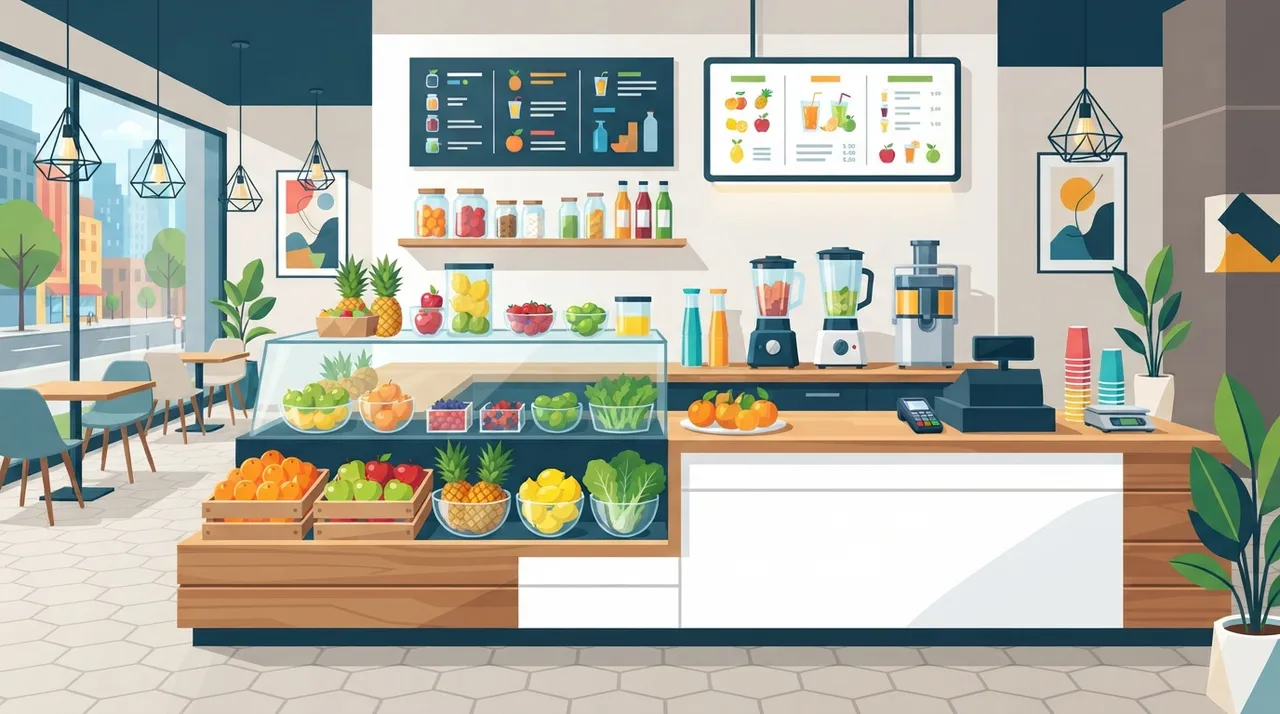
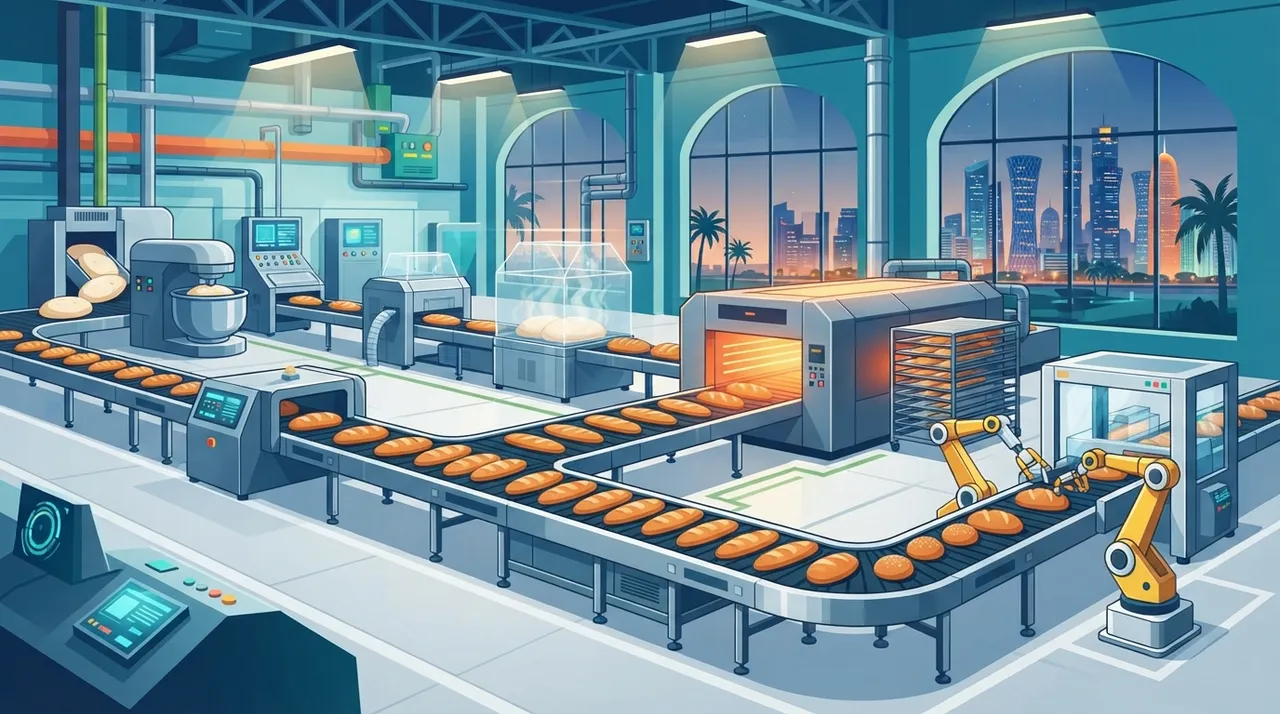
The home (cloud) production kitchen project in Kuwait aims to capitalize on the rapidly growing food delivery sector. The business model relies on preparing high-quality meals in a fully equipped central kitchen, then delivering them to customers through popular delivery applications such as Talabat and Deliveroo. The project targets individuals, working families, and young people seeking healthy, convenient, and affordable food options, with a focus on excellent customer experience and consistent food quality.
Market and Demand Study
The food and beverage market in Kuwait is experiencing continuous growth, with its value estimated at 12.24 billion USD in 2026. Kuwait is highly dependent on imported food. There is also increasing demand for healthy products, online delivery, and ready-to-eat meals. The cloud kitchen sector, specifically, is seeing significant growth in Kuwait, driven by the high adoption rate of smartphones and delivery applications. The number of cloud kitchens in Kuwait has reached over 600, and this number is expected to increase.
Market Sizing (TAM / SAM / SOM)
Market sizing was based on available data regarding the total food and beverage market size in Kuwait, with a focus on the growth in the food delivery and cloud kitchen sector. The Serviceable Available Market (SAM) is estimated based on the percentage of spending on ready-to-eat meals and delivery, while the Serviceable Obtainable Market (SOM) is realistically determined as a small percentage of the available market that the project can capture in its early years, considering competition and initial operational capacity. The average meal price is assessed based on current market prices for similar meals in Kuwait.
| Level | Annual Size | Description |
|---|---|---|
| TAM — Total Market | 3830.0 Million KWD | Total addressable demand |
| SAM — Serviceable Available Market | 190.0 Million KWD | The portion your model addresses |
| SOM — Serviceable Obtainable Market | 9.5 Million KWD | Your realistic early share |
Sizing Basis: The size of the food service market in Kuwait is estimated in billions of dollars and is growing, with increasing reliance on delivery applications. The target market focuses on a small portion of this growing market.
Unit Economics
Measures the profitability of each unit of sale/customer — the most accurate feasibility indicator:
| Unit Metric | Value |
|---|---|
| Unit of Sale | Meal |
| Average Price/Revenue per Unit | ٣ KWD |
| Customer Acquisition Cost (CAC) | ٢ KWD |
| Customer Lifetime Value (LTV) | ١٥٠ KWD |
| LTV/CAC Ratio | ٧٥× (Healthy) |
| Contribution Margin | ٦٠٪ |
Competitive Analysis
Competition in this sector includes other cloud kitchens, traditional restaurants offering delivery services, and unlicensed home-based projects. The project distinguishes itself through its competitive advantage by focusing on ingredient quality, menu innovation, efficient delivery service, and building a strong brand. Cloud kitchens can achieve higher profit margins compared to traditional restaurants due to lower operating costs.
Market Entry and Pricing Strategy
The market entry strategy relies on leveraging popular food delivery platforms like Talabat and Deliveroo. Marketing includes targeted digital campaigns via social media (Instagram, TikTok, and Snapchat are very popular in Kuwait), collaborations with food influencers, and offering attractive promotions. Pricing is determined based on competitor analysis and production costs to ensure profitability and competitiveness.
Capacity and Operations
The project begins with a medium production capacity (e.g., 100 meals per day) with a plan to gradually increase production to 300 meals per day within two years, based on demand. A kitchen space ranging from 12 to 500 square meters can be rented.
Daily operations focus on receiving orders from delivery applications, preparing meals efficiently while adhering to strict hygiene and food safety standards, packaging orders attractively and effectively, and delivering them to delivery companies. Emphasis is placed on effective inventory management to avoid waste and maintain high and consistent quality for all meals.
The project requires renting a fully equipped kitchen space or a unit in a shared cloud kitchen to reduce initial investment costs. The space must comply with the requirements of the Ministry of Commerce and Industry and the Public Authority for Food and Nutrition. Essential equipment includes ovens, refrigerators, specialized cooking appliances, preparation and packaging tools, and a Point of Sale (POS) system for order management. Contracts are made with reliable suppliers for raw materials to ensure product quality and availability.
Projected Income Statement (٥ Years)
| Item \ Year | Y1 | Y2 | Y3 | Y4 | Y5 |
|---|---|---|---|---|---|
| Revenue | ٢٨٬٨٠٠ KWD | ٣١٬٦٨٠ KWD | ٣٤٬٨٤٨ KWD | ٣٨٬٣٣٣ KWD | ٤٢٬١٦٦ KWD |
| Cost of Goods Sold | (١١٬٥٢٠ KWD) | (١٢٬٦٧٢ KWD) | (١٣٬٩٣٩ KWD) | (١٥٬٣٣٣ KWD) | (١٦٬٨٦٦ KWD) |
| Gross Profit | ١٧٬٢٨٠ KWD | ١٩٬٠٠٨ KWD | ٢٠٬٩٠٩ KWD | ٢٣٬٠٠٠ KWD | ٢٥٬٣٠٠ KWD |
| Operating Expenses | (١٢٬٩٦٠ KWD) | (١٤٬٢٥٦ KWD) | (١٥٬٦٨٢ KWD) | (١٧٬٢٥٠ KWD) | (١٨٬٩٧٥ KWD) |
| EBITDA | ٤٬٣٢٠ KWD | ٤٬٧٥٢ KWD | ٥٬٢٢٧ KWD | ٥٬٧٥٠ KWD | ٦٬٣٢٥ KWD |
| Tax | (١٩ KWD) | (٢٤ KWD) | (٢٨ KWD) | (٣٣ KWD) | (٣٩ KWD) |
| Net Profit | ١٬٩٠١ KWD | ٢٬٣٢٨ KWD | ٢٬٧٩٩ KWD | ٣٬٣١٦ KWD | ٣٬٨٨٦ KWD |
| Net Margin | ٧٪ | ٧٪ | ٨٪ | ٩٪ | ٩٪ |
Investment Cost Structure
| Item | Cost | Percentage |
|---|---|---|
| Kitchen Equipment and Initial Setup | ٣٬٦٠٠ KWD | ٣٠٪ |
| Kitchen Rent and Initial Establishment Costs | ٣٬٠٠٠ KWD | ٢٥٪ |
| Initial Raw Materials and Operating Expenses | ٢٬٤٠٠ KWD | ٢٠٪ |
| Licenses and Permits | ١٬٢٠٠ KWD | ١٠٪ |
| Marketing and Advertising | ١٬٢٠٠ KWD | ١٠٪ |
| Contingency and Working Capital | ٦٠٠ KWD | ٥٪ |
Cash Flow and Break-even Point
| Year | Operating Cash Flow | Cumulative Cash Flow |
|---|---|---|
| Year ١ | ٤٬٣٠١ KWD | -٧٬٦٩٩ KWD |
| Year ٢ | ٤٬٧٢٨ KWD | -٢٬٩٧١ KWD |
| Year ٣ | ٥٬١٩٩ KWD | ٢٬٢٢٨ KWD |
| Year ٤ | ٥٬٧١٦ KWD | ٧٬٩٤٥ KWD |
| Year ٥ | ٦٬٢٨٦ KWD | ١٤٬٢٣٠ KWD |
Estimated break-even point at an annual revenue of ≈ ٢٥٬٦٠٠ KWD (~٨٩٪ of first year revenue), with a contribution margin of ٦٠٪. Cumulative cash break-even in Year ٣.
Funding Structure
| Funding Source | Percentage | Amount |
|---|---|---|
| Equity | ٧٠٪ | ٨٬٤٠٠ KWD |
| Debt Financing (٧٪ interest) | ٣٠٪ | ٣٬٦٠٠ KWD |
Sensitivity Analysis (Revenue × Operations)
Impact of simultaneous changes in revenue and costs on Net Present Value:
| Revenue \ Operations | −10٪ | −5٪ | Base | +5٪ | +10٪ |
|---|---|---|---|---|---|
| −20٪ | ١٠٬٨٠٩ KWD | ٦٬٢٦٤ KWD | ١٬٧١٨ KWD | -٢٬٨٢٩ KWD | -٧٬٤٠٨ KWD |
| −10٪ | ١٣٬٦٥٠ KWD | ٨٬٥٣٦ KWD | ٣٬٤٢٢ KWD | -١٬٦٩٢ KWD | -٦٬٨٣٤ KWD |
| Base | ١٦٬٤٩٢ KWD | ١٠٬٨٠٩ KWD | ٥٬١٢٧ KWD | -٥٥٥ KWD | -٦٬٢٦٠ KWD |
| +10٪ | ١٩٬٣٣٣ KWD | ١٣٬٠٨٢ KWD | ٦٬٨٣٢ KWD | ٥٨١ KWD | -٥٬٦٨٦ KWD |
| +20٪ | ٢٢٬١٧٤ KWD | ١٥٬٣٥٥ KWD | ٨٬٥٣٦ KWD | ١٬٧١٨ KWD | -٥٬١١٣ KWD |
Scenario Analysis
| Scenario | Probability | NPV | Assessment |
|---|---|---|---|
| Pessimistic | ٢٥٪ | -٢٬٣٧٣ KWD | Not Feasible |
| Base | ٥٠٪ | ٥٬١٢٧ KWD | Feasible |
| Optimistic | ٢٥٪ | ١٤٬٦٧٣ KWD | Feasible |
Expected Present Value (Weighted): ٥٬٦٣٩ KWD.
Risk Analysis and Management
| Risk | Probability | Impact | Mitigation |
|---|---|---|---|
| Intense competition in the food delivery market | High | High | Differentiate with food quality, innovate unique menu, effective marketing, build customer loyalty. |
| Rising raw material costs or supply chain disruptions | Medium | Medium | Diversify suppliers, negotiate long-term contracts, manage inventory effectively. |
| Changes in food and delivery sector regulations and laws | Medium | Medium | Continuously monitor legal updates, consult with specialized legal advisor. |
| Difficulty in acquiring and retaining customers in a digital environment | High | High | Invest in digital marketing, loyalty programs, provide excellent customer service, build a strong reputation through reviews. |
| Operational issues such as equipment breakdowns or delivery delays | Medium | Medium | Regular equipment maintenance, team training for efficiency, contracting with reliable delivery companies. |
Organizational Structure and Team
The initial team structure consists of the project owner (who may handle initial management and operations), a chef or assistant chef, and a cleaner/packer. As the project grows, additional staff can be added in production, customer service, and marketing. The team must be trained to the highest standards of hygiene and food preparation.
Legal and Regulatory Aspects
The project requires obtaining a commercial license from the Ministry of Commerce and Industry in Kuwait, in addition to a health license from the Public Authority for Food and Nutrition. All regulations and laws related to food safety and public health must be adhered to, including civil defense requirements. In 2026, a cap was placed on fees and commissions charged by delivery platforms, with a maximum of 17% of the order value and a maximum of 1 Kuwaiti Dinar for delivery fees.
Expansion and Sustainability Plan
The project can expand by adding new menu items, targeting different customer segments (e.g., healthy meals, children's meals), or increasing current production capacity. It can also expand geographically by opening additional cloud kitchens in different areas of Kuwait, or even exploring franchise opportunities in the future.
Environmental, Social, and Governance (ESG) Impact
The project aims to reduce its environmental impact by using eco-friendly packaging as much as possible, effectively managing waste, and reducing food waste. Socially, the project provides job opportunities and contributes to meeting community needs for healthy and convenient meals. Good governance standards are adhered to in all aspects of work.
Conclusions and Recommendations
The cloud kitchen project in Kuwait represents a promising investment opportunity given the continuous growth of the food delivery sector. By focusing on quality, efficiency, effective digital marketing, and compliance with regulations, the project can achieve lucrative profits and good investment returns. The proposed capital of 12,000 Kuwaiti Dinars is reasonable for starting a small cloud kitchen project, especially with options for renting ready-made kitchens.
Frequently Asked Questions
How much does it cost to set up a cloud kitchen in Kuwait?
The estimated cost of setting up a small cloud kitchen in Kuwait is around 12,000 Kuwaiti Dinars, which may increase or decrease depending on the size of the kitchen and the equipment required.
How much profit does a cloud kitchen project make in Kuwait?
A medium-sized cloud kitchen project is expected to generate annual revenues of approximately 28,800 Kuwaiti Dinars in the first year, with a contribution margin of up to 60% after accounting for the cost of sales.
What are the licenses for a cloud kitchen in Kuwait?
The project requires a commercial license from the Ministry of Commerce and Industry, a health license from the Public Authority for Food and Nutrition, in addition to complying with safety and civil defense requirements.
Is the cloud kitchen project profitable in Kuwait?
Yes, the cloud kitchen project is considered profitable in Kuwait due to the increasing demand for food delivery services and lower operating costs compared to traditional restaurants.
What is the average meal price in cloud kitchens in Kuwait?
The average meal price in cloud kitchens in Kuwait ranges between 2.00 and 5.50 Kuwaiti Dinars, and the average meal price for our project can be estimated at around 3.00 Kuwaiti Dinars.
Sources and Disclaimer
- Kuwait Food and Beverage Market Reports 2026
- Feasibility studies for cloud kitchen projects (Saudi Arabia and Gulf)
- Data and forecasts for meal prices and cost of living in Kuwait 2026
- Information on cloud kitchen licenses and expenses in Kuwait 2026
- Global Cloud Kitchen Market Reports
Disclaimer: This is a guiding study that provides a financial analysis according to adopted industry standards; verify the figures locally according to your project's reality before any investment decision.