Executive Summary
The Small Solar Power Plant project in Morocco's energy and environment sector targets a promising market opportunity. With an investment of 1,500,000 MAD, it achieves a Net Present Value (NPV) of -527,777 MAD, an Internal Rate of Return (IRR) of -6%, and a payback period of — years.
| Indicator | Value |
|---|---|
| Initial Investment | ١٬٥٠٠٬٠٠٠ د.م |
| First Year Revenue | ٣٥٠٬٠٠٠ د.م |
| Annual Growth (CAGR) | ٨٪ |
| Net Margin (Y1) | -٢٦٪ |
| Return on Investment (Avg.) | -٤٪ annually |
| Net Present Value (NPV) | -٥٢٧٬٧٧٧ د.م |
| Internal Rate of Return (IRR) | -٦٪ |
| Profitability Index (PI) | ١ |
| Payback Period | — |
| Break-even Year | — |
| Expected NPV (Probability-Weighted) | -٥٢٨٬٠٨١ د.م |
Assumptions and Basis
The figures in this study are based on project data, the nature of the energy and environment sector in Morocco, and local market indicators, according to the following assumptions:
| Assumption | Value |
|---|---|
| Initial Capital | ١٬٥٠٠٬٠٠٠ د.م |
| First Year Revenue | ٣٥٠٬٠٠٠ د.م |
| Annual Growth | ٨٪ |
| Cost of Goods Sold (COGS) | ٢٥٪ of Revenue |
| Operating Expenses | ١٥٪ of Revenue |
| Tax/Zakat | ٢٠٪ |
| Discount Rate (WACC) | ٨٪ |
| Study Horizon | ٥ years |
Basis of Assumptions: Figures are based on small and medium solar power projects in Morocco, considering government support, decreasing panel costs, and increasing electricity prices.
Project Description and Opportunity
The small solar power plant project aims to provide sustainable and economic energy solutions for commercial, industrial, and agricultural sectors in Morocco, as well as individuals. The business model relies on installing photovoltaic solar energy systems and selling the generated electricity directly to customers or to the national grid, benefiting from legislation that allows self-production and selling surpluses. Morocco faces continuous increase in energy demand and annual growth in electricity consumption, making it a promising market for renewable energy projects.
Market and Demand Study
Morocco's energy market is undergoing a significant transformation towards renewable energies, driven by government targets to increase the share of renewable energy in the electricity mix to 52% by 2030. The average solar radiation in Morocco is about 4.8 kWh/day in coastal areas and rises to 6.2 kWh/day in the Western Sahara. This makes it an ideal environment for solar energy projects. There is increasing demand from businesses, households, and farmers to reduce high electricity bills. Continuous population and economic growth, along with increased environmental awareness, also drive demand for clean energy.
Market Sizing (TAM / SAM / SOM)
The market sizing methodology relies on a comprehensive analysis of available data on the growth of the renewable energy sector in Morocco, considering ambitious government targets. The Total Addressable Market (TAM) is estimated based on Morocco's total electricity consumption and the targeted percentage of renewable energy. The Serviceable Available Market (SAM) is determined by focusing on targeted sectors such as industry, agriculture, and residential, which have shown increasing interest in solar energy to reduce costs. The Serviceable Obtainable Market (SOM) is defined based on the project's competitive capability, geographic reach, and proposed budget, taking into account existing similar projects and expansion plans in areas with high solar radiation.
| Level | Annual Size | Description |
|---|---|---|
| TAM — Total Addressable Market | ٢٥٠٠.٠ مليون د.م | Total serviceable demand |
| SAM — Serviceable Available Market | ٧٥٠.٠ مليون د.م | The portion reachable by your model |
| SOM — Serviceable Obtainable Market | ٧٥.٠ مليون د.م | Your realistic early share |
Sizing Basis: Market sizing is based on Morocco's growing renewable energy market, targeting 52% of the electricity mix by 2030, with a focus on industrial, agricultural, and residential sectors seeking to reduce electricity costs.
Unit Economics
Measures the profitability of each sales unit/customer — the most accurate feasibility indicator:
| Unit Indicator | Value |
|---|---|
| Sales Unit | kWh |
| Avg. Price/Revenue per Unit | ١ د.م |
| Customer Acquisition Cost (CAC) | ٢٠٬٠٠٠ د.م |
| Customer Lifetime Value (LTV) | ٢٠٠٬٠٠٠ د.م |
| LTV/CAC Ratio | ١٠× (healthy) |
| Contribution Margin | ٧٠٪ |
Competitive Analysis
The Moroccan market faces competition from local and international companies operating in solar energy, but the project distinguishes itself by offering integrated and customized solutions to customer needs, with a focus on quality, reliability, and after-sales service. The sustainable advantage lies in the team's high technical expertise, the ability to offer competitive prices due to strong supplier relationships, and leveraging government incentives and available financial support for renewable energy projects. Local partnerships can also enhance outreach and access to wider customer segments.
Market Entry and Pricing Strategy
The market entry plan targets customers in the industrial, agricultural, and residential sectors, as well as the tourism sector. Digital marketing channels (website, social media) and direct channels (trade fairs, workshops) will be used. Competitive pricing offers will be provided, aiming to reduce the customer's electricity bill by 25% to 40%. The focus will be on long-term power purchase agreements (PPAs) and excellent after-sales services, including regular maintenance and panel cleaning.
Capacity and Operations
The 100 kW plant is planned to produce approximately 160-180 MWh annually, with a gradual occupancy rate starting at 70% in the first year to reach 90% after 3 years, considering the average solar radiation in Morocco.
Daily operation of the plant includes monitoring the performance of panels and inverters, regularly cleaning the panels to ensure maximum efficiency, and checking batteries (if any) and connection systems. A preventive maintenance plan and a schedule for periodic maintenance will be established. Emphasis will be placed on quality in all project stages, from equipment selection to installation and maintenance, to ensure sustained performance and a long system lifespan.
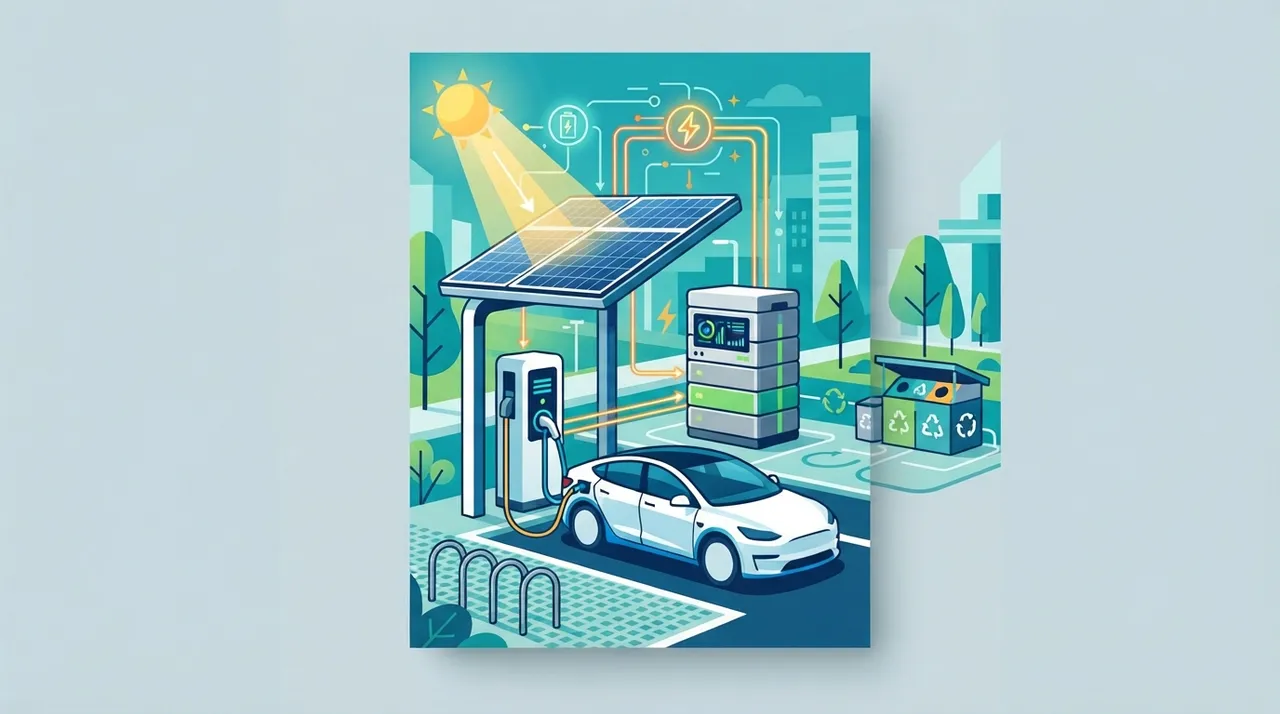
The technical aspects of the project rely on using high-efficiency photovoltaic solar panels (monocrystalline or polycrystalline depending on site conditions), advanced power inverters, and energy storage batteries (optional for increased reliability). The site will be chosen based on solar radiation studies, available installation space, and ease of connection to the electricity grid. Collaboration will be with reliable suppliers of panels and equipment, with a focus on quality and warranties. The average price of a solar panel in Morocco is about 1400-2200 MAD for a 450-watt panel.
Projected Income Statement (5 Years)
| Item \ Year | Y1 | Y2 | Y3 | Y4 | Y5 |
|---|---|---|---|---|---|
| Revenue | ٣٥٠٬٠٠٠ د.م | ٣٧٨٬٠٠٠ د.م | ٤٠٨٬٢٤٠ د.م | ٤٤٠٬٨٩٩ د.م | ٤٧٦٬١٧١ د.م |
| Cost of Sales | (٨٧٬٥٠٠ د.م) | (٩٤٬٥٠٠ د.م) | (١٠٢٬٠٦٠ د.م) | (١١٠٬٢٢٥ د.م) | (١١٩٬٠٤٣ د.م) |
| Gross Profit | ٢٦٢٬٥٠٠ د.م | ٢٨٣٬٥٠٠ د.م | ٣٠٦٬١٨٠ د.م | ٣٣٠٬٦٧٤ د.م | ٣٥٧٬١٢٨ د.م |
| Operating Expenses | (٥٢٬٥٠٠ د.م) | (٥٦٬٧٠٠ د.م) | (٦١٬٢٣٦ د.م) | (٦٦٬١٣٥ د.م) | (٧١٬٤٢٦ د.م) |
| EBITDA | ٢١٠٬٠٠٠ د.م | ٢٢٦٬٨٠٠ د.م | ٢٤٤٬٩٤٤ د.م | ٢٦٤٬٥٤٠ د.م | ٢٨٥٬٧٠٣ د.م |
| Tax | (٠ د.م) | (٠ د.م) | (٠ د.م) | (٠ د.م) | (٠ د.م) |
| Net Profit | -٩٠٬٠٠٠ د.م | -٧٣٬٢٠٠ د.م | -٥٥٬٠٥٦ د.م | -٣٥٬٤٦٠ د.م | -١٤٬٢٩٧ د.م |
| Net Margin | -٢٦٪ | -١٩٪ | -١٣٪ | -٨٪ | -٣٪ |
Investment Cost Structure
| Item | Cost | Percentage |
|---|---|---|
| Solar Panels and Inverters | ٧٥٠٬٠٠٠ د.م | ٥٠٪ |
| Batteries and Storage Systems (Optional) | ٢٢٥٬٠٠٠ د.م | ١٥٪ |
| Installation and Structures | ٣٠٠٬٠٠٠ د.م | ٢٠٪ |
| Studies and Licenses | ٧٥٬٠٠٠ د.م | ٥٪ |
| Initial Operating and Maintenance Costs | ١٥٠٬٠٠٠ د.م | ١٠٪ |
Cash Flow and Break-even Point
| Year | Operating Cash Flow | Cumulative Cash Flow |
|---|---|---|
| Year 1 | ٢١٠٬٠٠٠ د.م | -١٬٢٩٠٬٠٠٠ د.م |
| Year 2 | ٢٢٦٬٨٠٠ د.م | -١٬٠٦٣٬٢٠٠ د.م |
| Year 3 | ٢٤٤٬٩٤٤ د.م | -٨١٨٬٢٥٦ د.م |
| Year 4 | ٢٦٤٬٥٤٠ د.م | -٥٥٣٬٧١٦ د.م |
| Year 5 | ٢٨٥٬٧٠٣ د.م | -٢٦٨٬٠١٤ د.م |
Estimated break-even point at annual revenue ≈ ٤٧٠٬٠٠٠ د.م (~١٣٤٪ of first-year revenue), with a contribution margin of ٧٥٪. Cumulative cash break-even beyond the study horizon.
Funding Structure
| Funding Source | Percentage | Amount |
|---|---|---|
| Equity | ٣٠٪ | ٤٥٠٬٠٠٠ د.م |
| Debt Financing (6% interest) | ٧٠٪ | ١٬٠٥٠٬٠٠٠ د.م |
Sensitivity Analysis (Revenue × Operations)
Impact of combined changes in revenue and costs on Net Present Value:
| Revenue \ Operations | −10٪ | −5٪ | Base | +5٪ | +10٪ |
|---|---|---|---|---|---|
| −20٪ | -٥٩٢٬٥٩٣ د.م | -٦٥٧٬٤٠٨ د.م | -٧٢٢٬٢٢٢ د.م | -٧٨٧٬٠٣٧ د.م | -٨٥١٬٨٥٢ د.م |
| −10٪ | -٤٧٩٬١٦٧ د.م | -٥٥٢٬٠٨٣ د.م | -٦٢٥٬٠٠٠ د.م | -٦٩٧٬٩١٧ د.م | -٧٧٠٬٨٣٣ د.م |
| Base | -٣٧١٬٥٤٥ د.م | -٤٤٨٬٠٥٤ د.م | -٥٢٧٬٧٧٨ د.م | -٦٠٨٬٧٩٦ د.م | -٦٨٩٬٨١٥ د.م |
| +10٪ | -٢٦٩٬٤٧٠ د.م | -٣٤٩٬١٨٤ د.م | -٤٣٢٬٤٩٨ د.م | -٥١٩٬٦٧٦ د.م | -٦٠٨٬٧٩٦ د.م |
| +20٪ | -١٧٢٬٦٦٠ د.م | -٢٥٥٬٢١١ د.م | -٣٤١٬٧٣٠ د.م | -٤٣٢٬٤٩٨ د.م | -٥٢٧٬٧٧٨ د.م |
Scenario Analysis
| Scenario | Probability | NPV | Assessment |
|---|---|---|---|
| Pessimistic | ٢٥٪ | -٧٤١٬٦٦٧ د.م | Not Feasible |
| Base | ٥٠٪ | -٥٢٧٬٧٧٨ د.م | Not Feasible |
| Optimistic | ٢٥٪ | -٣١٥٬١٠٠ د.م | Not Feasible |
Expected Present Value (Weighted): -٥٢٨٬٠٨١ د.م.
Risk Analysis and Management
| Risk | Probability | Impact | Mitigation |
|---|---|---|---|
| Changes in government policies or support | Medium | High | Regularly monitor legislation, build strong relationships with relevant authorities. |
| Fluctuations in equipment and raw material prices | Medium | Medium | Contract with reliable suppliers through long-term agreements, seek alternatives. |
| Operational and technical risks (malfunctions, maintenance) | Medium | Medium | Select high-quality equipment, comprehensive preventive maintenance plan, qualified technical team. |
| Difficulty in customer acquisition or competition | Medium | Medium | Strong marketing strategy, competitive pricing, excellent customer service, distinction in service quality. |
| Delay in grid connection | Medium | Medium | Early and continuous coordination with the National Office of Electricity, thoroughly study technical requirements. |
Organizational Structure and Team
The organizational structure consists of a project manager with experience in renewable energy, engineers specialized in designing and installing solar energy systems, and technicians for operation and maintenance. The team may also include sales and marketing specialists to ensure effective communication with customers. Emphasis will be placed on recruiting and training local talent to ensure business continuity.
Legal and Regulatory Aspects
The project requires obtaining necessary licenses from relevant government entities, such as the Moroccan Agency for Sustainable Energy (MASEN) and the National Office of Electricity and Drinking Water (ONEE). Law No. 13.09 concerning renewable energies and financial laws updated in 2026 provide a legal framework that supports renewable energy production and sale. There are tax incentives and customs exemptions for solar energy equipment.
Expansion and Sustainability Plan
The project can be expanded by increasing the number of small stations in different regions of Morocco, or by increasing the capacity of existing stations. New sectors such as public lighting or solar-powered desalination plants can be targeted. The possibility of expanding to provide integrated services including energy storage and smart grid systems can also be studied. Partnerships with financial institutions and government entities enhance opportunities for expansion and sustainability.
Environmental, Social, and Governance (ESG) Impact
The project significantly contributes to achieving sustainable development goals in Morocco by reducing reliance on fossil fuels and cutting carbon dioxide emissions, thus supporting the Kingdom's efforts in combating climate change. It also contributes to providing clean and competitive energy, creating local job opportunities, and enhancing the national industrial sector.
Conclusions and Recommendations
The small solar power plant project in Morocco represents a promising and profitable investment opportunity, supported by Morocco's immense natural potential in solar energy, strong government support for the renewable energy sector, and increasing demand for clean energy solutions. Despite challenges related to financing and initial operating costs, the long-term environmental and economic benefits make the project attractive and sustainable. The recommendation is to proceed with the project, focusing on performance efficiency, effective marketing strategies, and leveraging available incentives.
Frequently Asked Questions
How much does it cost to build a small solar power plant in Morocco?
The cost of building a small solar power plant (around 100 kW) in Morocco is estimated at approximately 1,500,000 Moroccan Dirhams, including panels, inverters, and installation.
Is a solar energy project profitable in Morocco?
Yes, a solar energy project is profitable in Morocco due to high traditional electricity prices and government support for renewable energies. The project can achieve annual revenues exceeding 350,000 Dirhams in the first year.
What licenses are required for a solar power plant project in Morocco?
The project requires licenses from the Moroccan Agency for Sustainable Energy (MASEN) and the National Office of Electricity and Drinking Water (ONEE), under Law No. 13.09 related to renewable energies.
What is the appropriate discount rate (WACC) for solar energy projects in Morocco?
The appropriate discount rate (WACC) for solar energy projects in Morocco can be estimated at around 7.5%, considering the cost of debt and equity in emerging markets and government support.
Can surplus electricity be sold to the national grid in Morocco?
Yes, Moroccan legislation allows the sale of surplus electricity produced from renewable sources to the national grid, providing an additional source of income for the project.
Sources and Disclaimer
- Reports from the Moroccan Agency for Sustainable Energy (MASEN)
- Studies and analyses of the renewable energy market in Morocco
- Data on electricity prices and solar panel costs in Morocco
- Experts and analysts in Morocco's energy sector
- Specialized websites for feasibility studies of solar energy projects
Disclaimer: This is a guiding study that provides a financial analysis according to approved sector standards; verify the figures locally according to your project's reality before any investment decision.