Executive Summary
The **home-based daycare** project in the education and training sector in Iraq targets a promising market opportunity. With an investment of **15,000,000 IQD**, it achieves a net present value of 4,929,741 IQD, an internal rate of return of 24%, and a payback period of 2.9 years.
| Indicator | Value |
|---|---|
| Initial Investment | ١٥٬٠٠٠٬٠٠٠ د.ع |
| First Year Revenue | ٢٥٬٠٠٠٬٠٠٠ د.ع |
| Annual Growth (CAGR) | ١٠٪ |
| Net Margin (Y1) | ٧٪ |
| Return on Investment (Avg) | ١٨٪ سنويًّا |
| Net Present Value (NPV) | ٤٬٩٢٩٬٧٤١ د.ع |
| Internal Rate of Return (IRR) | ٢٤٪ |
| Profitability Index (PI) | ١ |
| Payback Period | ٣ سنة |
| Break-even Year | السنة ٣ |
| Expected NPV (Probability-Weighted) | ٥٬٣٨٧٬٤٣١ د.ع |
Assumptions and Basis
The figures in this study are based on project data, the nature of the education and training sector in Iraq, and local market indicators, according to the following assumptions:
| Assumption | Value |
|---|---|
| Initial Capital | ١٥٬٠٠٠٬٠٠٠ د.ع |
| First Year Revenue | ٢٥٬٠٠٠٬٠٠٠ د.ع |
| Annual Growth | ١٠٪ |
| Cost of Goods Sold (COGS) | ٣٠٪ من الإيراد |
| Operating Expenses | ٥٠٪ من الإيراد |
| Tax/Zakat | ١٥٪ |
| Discount Rate (WACC) | ١٢٪ |
| Study Horizon | ٥ سنوات |
Basis of Assumptions: Figures are estimates based on average operating costs and expected revenues for small daycares in Iraq, taking into account the specifics of a home-based daycare.
Project Description and Opportunity
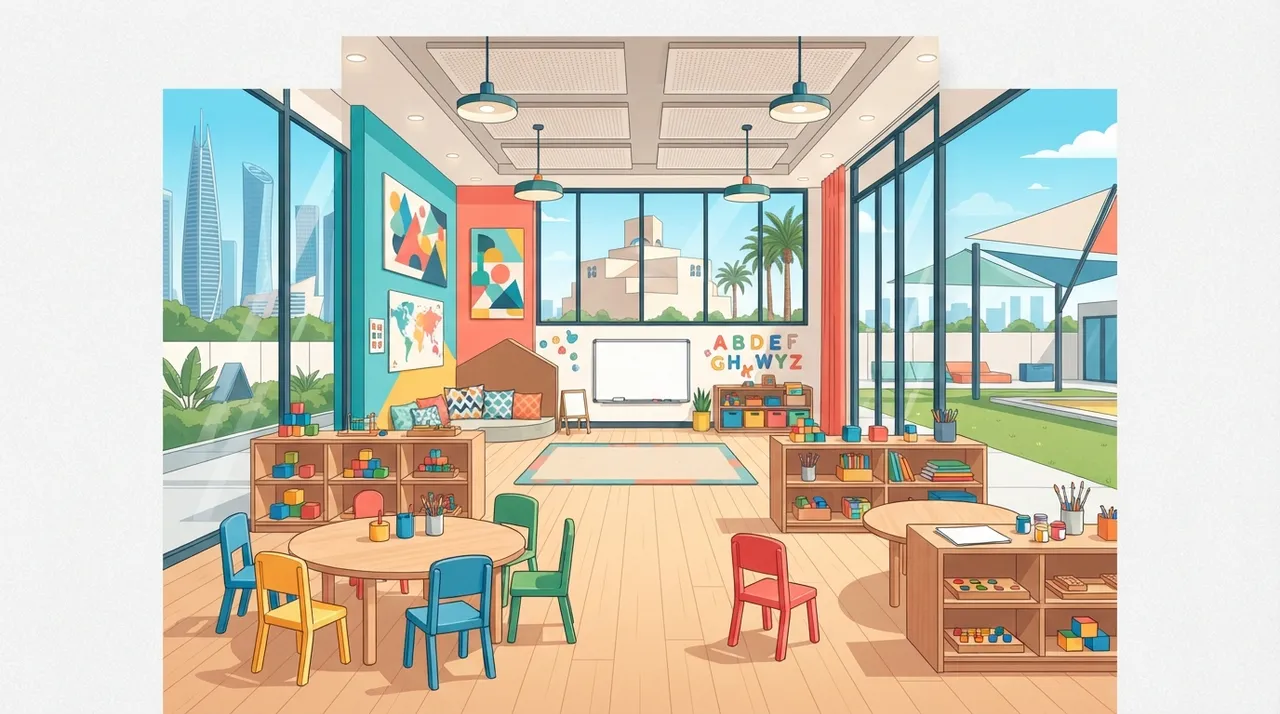
The home-based daycare project in Iraq offers a flexible and essential solution for working families seeking reliable care for their young children. The business model relies on providing a safe, stimulating, and educational environment within the home, focusing on the comprehensive development of preschool children (from birth to four years old). The project targets families who value individual care and close follow-up, and seeks to build trust through the quality of services provided.
Market Study and Demand
The Iraqi market is witnessing increasing demand for childcare services, driven by the rising participation of women in the workforce and increased awareness of the importance of early childhood education. The Iraqi Ministry of Education announced the introduction of early education classes in primary schools starting from the 2026-2027 academic year, reflecting government interest in this sector and enhancing the importance of preparing children before entering school. Competition exists from traditional daycares and care centers, but home-based daycares are distinguished by flexibility, lower cost, and the ability to provide more personalized care.
Market Sizing (TAM / SAM / SOM)
Market sizing was based on estimating the number of children in the target age group (from birth to four years old) in major cities in Iraq. The Total Addressable Market (TAM) includes all children in this category, while the Serviceable Available Market (SAM) focuses on families with the ability and willingness to pay for care services. The Serviceable Obtainable Market (SOM) represents the realistic segment that the project can reach during the first years, considering the capacity of a home-based daycare. These estimates are based on general demographic data and available market research on the childcare sector in the region.
| Level | Annual Size | Description |
|---|---|---|
| TAM — Total Addressable Market | 100000.0 مليون د.ع | Total serviceable demand |
| SAM — Serviceable Available Market | 20000.0 مليون د.ع | Portion reachable by your model |
| SOM — Serviceable Obtainable Market | 2000.0 مليون د.ع | Your realistic early share |
Sizing Basis: Estimation of the total, serviceable, and obtainable market size based on the number of children in the target age group and the increasing demand for childcare services in Iraq, especially with the growing number of working families and awareness of the importance of early childhood education.
Unit Economics
Measures the profitability of each unit sale/customer — the most accurate feasibility indicator:
| Unit Indicator | Value |
|---|---|
| Unit of Sale | طفل/شهريًا |
| Average Price/Revenue per Unit | ٢٥٠٬٠٠٠ د.ع |
| Customer Acquisition Cost (CAC) | ٥٠٬٠٠٠ د.ع |
| Customer Lifetime Value (LTV) | ٣٬٠٠٠٬٠٠٠ د.ع |
| LTV/CAC Ratio | ٦٠× (صحّي) |
| Contribution Margin | ٧٠٪ |
Competitive Analysis
The main competitive advantage of a home-based daycare in Iraq is providing a warmer, more family-like environment compared to larger daycares, with the potential for individualized care and greater flexibility in operating hours. The focus can be on a specific educational approach (such as Montessori or skill-development programs) to attract a particular segment of families. Competitors include traditional daycares and unlicensed childcare centers. Sustainable advantage is built through high-quality care, strong relationships with parents, and a good reputation in the community.
Go-to-Market Strategy and Pricing
The go-to-market strategy relies on word-of-mouth marketing and social media networks, with a focus on local communities and residential neighborhoods. A Facebook or Instagram page can be created to showcase daily activities and interact with potential parents. Pricing will be competitive with other daycares, with the possibility of offering different packages (full-time, part-time, flexible hours) to meet diverse needs. Working mothers and small families will be targeted.
Capacity and Operations
The daycare will start with a capacity for 5-7 children initially (under two years and 2-4 years respectively), with the possibility of gradual expansion based on demand and licenses.
Daily daycare operations include receiving children, organizing educational and recreational activities, providing meals, and monitoring their growth and development. A daily schedule should be set to include periods for free play, guided activities, story time, and rest times. Quality is ensured by the qualifications and experience of the caregiver, and adherence to educational and health standards. A file will be provided for each child including their health data, follow-up and evaluation records, and correspondence with families. Regular medical and psychological follow-up for children should be in place.
The project requires allocating a suitable part of the home to be a safe and healthy environment for children, with spaces for play, learning, and sleeping. Rooms must be well-ventilated and lit, and equipped with safe and age-appropriate furniture and toys. This includes providing equipped restrooms for children and an area for preparing snacks. Civil defense and general safety requirements must be met. For suppliers, local suppliers will be contracted for toys, educational materials, and health supplies.
Projected Income Statement (5 Years)
| Item \ Year | Y1 | Y2 | Y3 | Y4 | Y5 |
|---|---|---|---|---|---|
| Revenue | ٢٥٬٠٠٠٬٠٠٠ د.ع | ٢٧٬٥٠٠٬٠٠٠ د.ع | ٣٠٬٢٥٠٬٠٠٠ د.ع | ٣٣٬٢٧٥٬٠٠٠ د.ع | ٣٦٬٦٠٢٬٥٠٠ د.ع |
| Cost of Sales | (٧٬٥٠٠٬٠٠٠ د.ع) | (٨٬٢٥٠٬٠٠٠ د.ع) | (٩٬٠٧٥٬٠٠٠ د.ع) | (٩٬٩٨٢٬٥٠٠ د.ع) | (١٠٬٩٨٠٬٧٥٠ د.ع) |
| Gross Profit | ١٧٬٥٠٠٬٠٠٠ د.ع | ١٩٬٢٥٠٬٠٠٠ د.ع | ٢١٬١٧٥٬٠٠٠ د.ع | ٢٣٬٢٩٢٬٥٠٠ د.ع | ٢٥٬٦٢١٬٧٥٠ د.ع |
| Operating Expenses | (١٢٬٥٠٠٬٠٠٠ د.ع) | (١٣٬٧٥٠٬٠٠٠ د.ع) | (١٥٬١٢٥٬٠٠٠ د.ع) | (١٦٬٦٣٧٬٥٠٠ د.ع) | (١٨٬٣٠١٬٢٥٠ د.ع) |
| EBITDA | ٥٬٠٠٠٬٠٠٠ د.ع | ٥٬٥٠٠٬٠٠٠ د.ع | ٦٬٠٥٠٬٠٠٠ د.ع | ٦٬٦٥٥٬٠٠٠ د.ع | ٧٬٣٢٠٬٥٠٠ د.ع |
| Tax | (٣٠٠٬٠٠٠ د.ع) | (٣٧٥٬٠٠٠ د.ع) | (٤٥٧٬٥٠٠ د.ع) | (٥٤٨٬٢٥٠ د.ع) | (٦٤٨٬٠٧٥ د.ع) |
| Net Profit | ١٬٧٠٠٬٠٠٠ د.ع | ٢٬١٢٥٬٠٠٠ د.ع | ٢٬٥٩٢٬٥٠٠ د.ع | ٣٬١٠٦٬٧٥٠ د.ع | ٣٬٦٧٢٬٤٢٥ د.ع |
| Net Margin | ٧٪ | ٨٪ | ٩٪ | ٩٪ | ١٠٪ |
Investment Cost Structure
| Item | Cost | Percentage |
|---|---|---|
| Equipment and Decorations | ٦٬٠٠٠٬٠٠٠ د.ع | ٤٠٪ |
| Toys and Educational Materials | ٣٬٧٥٠٬٠٠٠ د.ع | ٢٥٪ |
| Licenses and Approvals | ١٬٥٠٠٬٠٠٠ د.ع | ١٠٪ |
| Initial Operating Expenses (Wages, Cleaning Supplies, Food) | ٣٬٠٠٠٬٠٠٠ د.ع | ٢٠٪ |
| Initial Marketing | ٧٥٠٬٠٠٠ د.ع | ٥٪ |
Cash Flow and Break-even Point
| Year | Operating Cash Flow | Cumulative Cash Flow |
|---|---|---|
| Year 1 | ٤٬٧٠٠٬٠٠٠ د.ع | -١٠٬٣٠٠٬٠٠٠ د.ع |
| Year 2 | ٥٬١٢٥٬٠٠٠ د.ع | -٥٬١٧٥٬٠٠٠ د.ع |
| Year 3 | ٥٬٥٩٢٬٥٠٠ د.ع | ٤١٧٬٥٠٠ د.ع |
| Year 4 | ٦٬١٠٦٬٧٥٠ د.ع | ٦٬٥٢٤٬٢٥٠ د.ع |
| Year 5 | ٦٬٦٧٢٬٤٢٥ د.ع | ١٣٬١٩٦٬٦٧٥ د.ع |
Estimated break-even point at annual revenue ≈ ٢٢٬١٤٢٬٨٥٧ د.ع (~٨٩٪ of first year revenue), with a contribution margin of ٧٠٪. Cumulative cash break-even in Year 3.
Funding Structure
| Funding Source | Percentage | Amount |
|---|---|---|
| Equity | ٧٠٪ | ١٠٬٥٠٠٬٠٠٠ د.ع |
| Debt Financing (8% interest) | ٣٠٪ | ٤٬٥٠٠٬٠٠٠ د.ع |
Sensitivity Analysis (Revenue × Operating)
Impact of combined revenue and cost changes on Net Present Value:
| Revenue \ Operating | −10٪ | −5٪ | Base | +5٪ | +10٪ |
|---|---|---|---|---|---|
| −20٪ | ٨٬٥٩١٬٢٦٠ د.ع | ٤٬٩٢٩٬٧٤١ د.ع | ١٬٢٦٨٬٢٢٣ د.ع | -٢٬٣٩٣٬٢٩٥ د.ع | -٦٬٣٨٤٬٦٦٣ د.ع |
| −10٪ | ١١٬٣٣٧٬٣٩٩ د.ع | ٧٬٢١٨٬١٩٠ د.ع | ٣٬٠٩٨٬٩٨٢ د.ع | -١٬٠٢٠٬٢٢٦ د.ع | -٥٬٣٣٢٬٧٨٨ د.ع |
| Base | ١٤٬٠٨٣٬٥٣٧ د.ع | ٩٬٥٠٦٬٦٣٩ د.ع | ٤٬٩٢٩٬٧٤١ د.ع | ٣٥٢٬٨٤٣ د.ع | -٤٬٣٢٠٬٩١٤ د.ع |
| +10٪ | ١٦٬٨٢٩٬٦٧٦ د.ع | ١١٬٧٩٥٬٠٨٨ د.ع | ٦٬٧٦٠٬٥٠١ د.ع | ١٬٧٢٥٬٩١٣ د.ع | -٣٬٣٤٢٬١٥٧ د.ع |
| +20٪ | ١٩٬٥٧٥٬٨١٥ د.ع | ١٤٬٠٨٣٬٥٣٧ د.ع | ٨٬٥٩١٬٢٦٠ د.ع | ٣٬٠٩٨٬٩٨٢ د.ع | -٢٬٣٩٣٬٢٩٥ د.ع |
Scenario Analysis
| Scenario | Probability | NPV | Assessment |
|---|---|---|---|
| Pessimistic | ٢٥٪ | -٢٬٣٩٣٬٢٩٥ د.ع | Not feasible |
| Base | ٥٠٪ | ٤٬٩٢٩٬٧٤١ د.ع | Feasible |
| Optimistic | ٢٥٪ | ١٤٬٠٨٣٬٥٣٧ د.ع | Feasible |
Expected Present Value (Weighted): ٥٬٣٨٧٬٤٣١ د.ع.
Risk Analysis and Management
| Risk | Probability | Impact | Mitigation |
|---|---|---|---|
| Difficulty obtaining licenses | Medium | High | Engage a legal consultant specializing in daycare licenses and diligently follow procedures. |
| Intense competition from other daycares | Medium | Medium | Differentiate by offering unique services, high-quality care, and innovative educational programs. |
| Low initial enrollment | Medium | Medium | Implement an effective marketing plan targeting families in the area and offer attractive promotions during the initial period. |
| Rising operating costs | Low | Medium | Efficiently manage expenses, seek competitive suppliers, and periodically review prices. |
| Insufficient experience in childcare | Low | High | Undergo specialized training courses in early childhood education and first aid, and hire qualified staff. |
Organizational Structure and Team
The basic structure of the project consists of the project owner as the primary manager and caregiver. Future expansion may require hiring assistant caregivers. The manager and assistants must have experience in dealing with children, patience, and good conduct. It is preferable to undergo training courses in early childhood education and first aid.
Legal and Regulatory Aspects
Licensing a home-based daycare in Iraq requires approvals from the Ministry of Labor and Social Affairs, the Ministry of Health, and Civil Defense. The applicant must meet conditions such as being female, having a certificate of no infectious diseases, and a certificate of no criminal record. The home must also meet health and safety requirements, be on the ground floor or have an emergency exit. The permitted number of children is determined based on their ages and the allocated space.
Expansion and Sustainability Plan
Future expansion can be achieved by increasing the number of children accommodated after obtaining the necessary approvals, specializing in a specific age group, or offering additional services such as foreign language instruction or artistic activities. Consideration can also be given to developing an electronic application to monitor daily child activities and reports.
Environmental, Social, and Governance (ESG) Impact
The project aims to provide a healthy and safe environment for children, with a focus on using eco-friendly materials as much as possible. Attention will be given to waste recycling and raising awareness of environmental preservation. The social impact involves supporting working families and providing employment opportunities for women, in addition to contributing to early childhood development. Ethical standards will be adhered to in dealing with children and their families.
Conclusions and Recommendations
The home-based daycare project in Iraq is a promising investment opportunity given the increasing demand for childcare and early education services. With good planning and adherence to quality and safety standards, the project can achieve rewarding financial returns and contribute positively to society. The recommendation is to proceed with the project while focusing on building a strong reputation by providing excellent care and effectively meeting the needs of families.
Frequently Asked Questions
How much does it cost to establish a home-based daycare in Iraq?
The estimated cost to establish a home-based daycare in Iraq is approximately 15,000,000 Iraqi Dinars, including equipment, decorations, toys, educational materials, licenses, and initial operating expenses.
What are the expected profits for a home-based daycare project in Iraq?
A home-based daycare can generate good profits, with expected annual revenues in the first year of approximately 25,000,000 Iraqi Dinars, and a monthly profit margin ranging between 20% and 40%.
What licenses are required to open a home-based daycare in Iraq?
Opening a home-based daycare in Iraq requires licenses from the Ministry of Labor and Social Affairs, the Ministry of Health, and Civil Defense, in addition to meeting conditions related to the applicant and the building.
Is a home-based daycare project profitable in Iraq?
Yes, a home-based daycare project is considered profitable in Iraq due to the increasing demand for childcare and early education services, especially with the growing number of working families.
What is the average monthly fee for daycare in Iraq?
The average monthly fee for daycare in Iraq varies, but it can be estimated at approximately 250,000 Iraqi Dinars per child per month, based on the level of services provided.
What age group do home-based daycares target?
Home-based daycares typically target children from birth to four years old, with the possibility of dividing them into smaller age groups to provide specialized care.
Sources and Disclaimer
- Iraqi government reports (Ministry of Education, Ministry of Labor and Social Affairs)
- Iraqi news and economic websites
- Feasibility studies for similar projects in the region
- Advertising portals and local service platforms (OpenSooq)
- Consulting websites specializing in small and medium-sized enterprises
Disclaimer: This is a guiding study that provides a financial analysis according to approved industry standards; verify the figures locally according to your project's reality before any investment decision.