Executive Summary
The Language Institute project in the education and training sector in the Sultanate of Oman targets a promising market opportunity. With an investment of ١٨٥٬٠٠٠ OMR, it achieves a Net Present Value of -٨١٬٦١٦ OMR, an Internal Rate of Return of -٧٪, and a payback period of — years.
| Indicator | Value |
|---|---|
| Initial Investment | ١٨٥٬٠٠٠ OMR |
| Year 1 Revenue | ١٢٠٬٠٠٠ OMR |
| Annual Growth (CAGR) | ١٠٪ |
| Net Margin (Y1) | -١١٪ |
| Return on Investment (Avg.) | -٤٪ annually |
| Net Present Value (NPV) | -٨١٬٦١٦ OMR |
| Internal Rate of Return (IRR) | -٧٪ |
| Profitability Index (PI) | ١ |
| Payback Period | — |
| Break-even Year | — |
| Expected NPV (Probability-weighted) | -٧٩٬٤٤١ OMR |
Assumptions and Basis
The figures in this study are based on project data, the nature of the education and training sector in the Sultanate of Oman, and local market indicators, according to the following assumptions:
| Assumption | Value |
|---|---|
| Initial Capital | ١٨٥٬٠٠٠ OMR |
| Year 1 Revenue | ١٢٠٬٠٠٠ OMR |
| Annual Growth | ١٠٪ |
| Cost of Goods Sold (COGS) | ٣٥٪ of Revenue |
| Operating Expenses | ٤٥٪ of Revenue |
| Tax/Zakat | ٣٪ |
| Discount Rate (WACC) | ١٢٪ |
| Study Horizon | ٥ years |
Basis of Assumptions: Figures are estimates based on Omani market averages for the private education and training sector and the proposed investment size.
Project Description and Opportunity
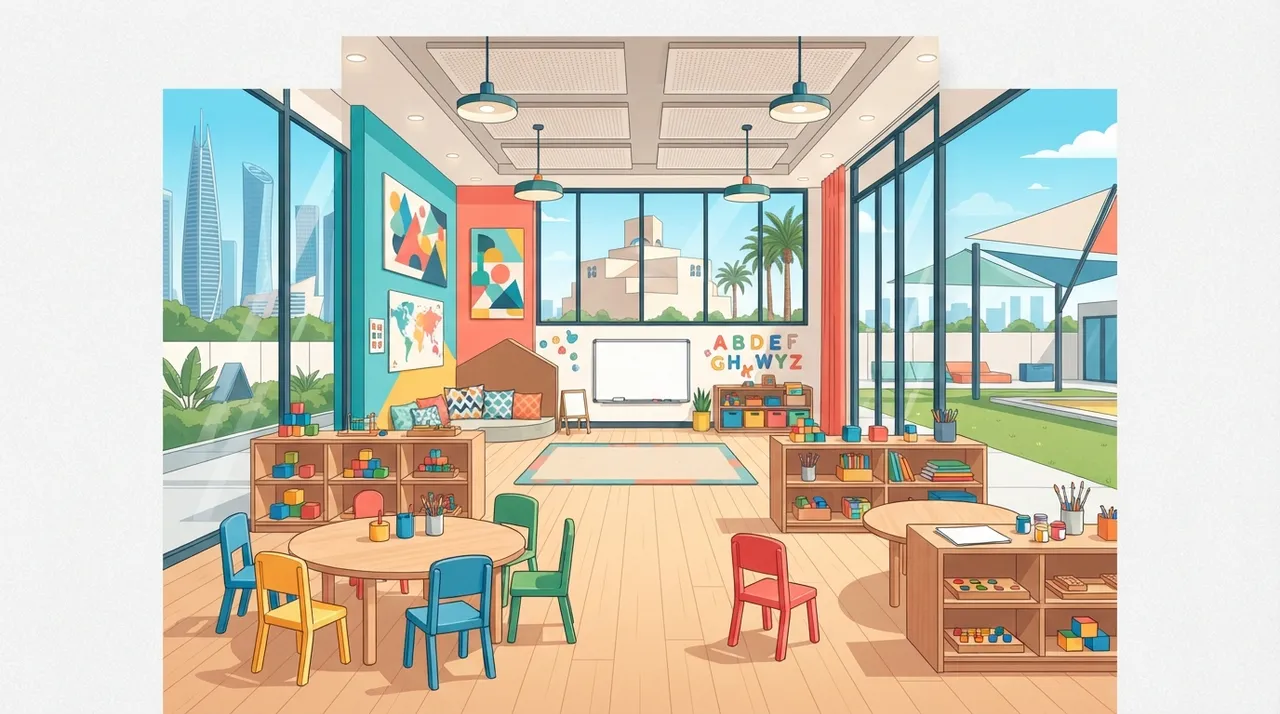
The project aims to establish a specialized language institute in the Sultanate of Oman, offering training courses in high-demand languages such as English and Arabic (for non-native speakers), in addition to other languages like German, French, and Chinese. The business model is based on providing high-quality educational content and accredited curricula, with a focus on creating a stimulating learning environment equipped with the latest technologies. The institute targets students of all age groups, professionals seeking to develop their skills, and expatriates residing in the Sultanate, in line with Oman Vision 2040, which supports national capacity building and human capital development.
Market and Demand Study
The education and training sector in the Sultanate of Oman is experiencing significant growth, with its contribution to the GDP reaching 1.8 billion OMR in 2024, a 2.5% increase from the previous year. This sector is a vital driver for human capital development and a cornerstone of the economic diversification strategy within Oman Vision 2040. There is increasing demand for language education, especially English for work and study purposes, as well as Arabic for non-native speakers. The Omani government supports investment in private education, as only 23% of students are enrolled in private schools compared to an average of 30% in GCC countries, indicating untapped potential. The focus on human development and national capacity building further boosts demand for specialized language training programs.
Market Sizing (TAM / SAM / SOM)
Market sizing was based on private education sector market value data in the Sultanate of Oman, which reached 1.7 billion USD (approximately 654 million OMR) in 2023. Based on this value, the Total Addressable Market (TAM) was estimated to include a large segment of this sector interested in language education and training. The Serviceable Available Market (SAM) was determined based on the institute's target categories (students, professionals, expatriates), considering purchasing power and willingness to invest in education. The Serviceable Obtainable Market (SOM) is estimated as a small and reasonable percentage of the available market that the institute can capture in the first years of operation, considering competition and the institute's ability to attract students.
| Level | Annual Size | Description |
|---|---|---|
| TAM — Total Market | 1700.0 million OMR | Total addressable demand |
| SAM — Available Market | 500.0 million OMR | The portion your model reaches |
| SOM — Realistic Target | 50.0 million OMR | Your realistic early share |
Sizing Basis: Market sizing relies on the private education sector's market value in Oman, which is 1.7 billion USD (approximately 654 million OMR), with a focus on the language education and professional training segment.
Unit Economics
Measures the profitability of each sales unit/customer — the most accurate feasibility indicator:
| Unit Indicator | Value |
|---|---|
| Sales Unit | student/course |
| Avg. Price/Revenue per Unit | ١٧٥ OMR |
| Customer Acquisition Cost (CAC) | ٣٥ OMR |
| Customer Lifetime Value (LTV) | ٥٢٥ OMR |
| LTV/CAC Ratio | ١٥× (healthy) |
| Contribution Margin | ٦٠٪ |
Competitive Analysis
The educational landscape in the Sultanate of Oman is characterized by the presence of several language institutes and training centers, some of which have international partnerships such as 'Polyglot Institute' and the 'British Council'. Competition focuses on curriculum quality, teacher efficiency, and geographical location, in addition to flexibility in offering courses (in-person and online). The sustainable distinction of our project lies in offering specialized and innovative educational programs, such as intensive courses for international exam preparation (IELTS, TOEFL), and Arabic language courses specifically designed for expatriates, in addition to focusing on applied skills and effective communication. Furthermore, employing a highly qualified and experienced teaching staff, and providing an interactive learning environment equipped with the latest technologies, is an essential part of the competitive advantage.
Market Entry and Pricing Plan
The market entry and marketing plan is based on targeting key segments through diverse channels. Digital marketing via social media platforms and search engines will be emphasized to reach youth and professionals. Partnerships will also be built with local educational institutions and companies to offer customized courses for their employees. Marketing channels include community events and educational exhibitions for direct public outreach. The pricing strategy relies on offering diverse course packages at competitive prices ranging from 160 to 185 OMR per course, with the possibility of early bird or group discounts. A strong brand focusing on quality, reliability, and results will be built to enhance trust and attract customers.
Capacity and Operations
Operational capacity starts with 6 classrooms with a capacity of 15 students per class, totaling 90 students per course. With 4 courses offered annually for each class, the institute can accommodate 360 students in the first year, and occupancy will gradually increase to 70-80% within three years, with potential for expansion by adding classrooms and training programs.
Daily operations of the institute include course scheduling, student registration, classroom management, and evaluating student and teacher performance. A strict quality management system will be implemented to ensure the institute adheres to the highest standards of education and training. This includes periodic curriculum evaluations, continuous teacher training, and collecting student feedback to improve services. Customer service will be a key operational element, with continuous support and assistance provided to students to ensure their satisfaction and achievement of their educational goals. Learning Management Systems (LMS) will be used to facilitate communication between students and teachers and provide educational resources.
The technical aspect of the project requires leasing or purchasing a suitable location in a vibrant and easily accessible area in Muscat or another major city. The premises should include 6 classrooms equipped with the latest audio-visual technologies, a computer lab, a lecture and events hall, administrative offices, and service facilities. Suppliers will be carefully selected to provide office furniture, educational equipment, and internationally accredited textbooks and curricula. This also includes contracting with maintenance and IT companies to ensure efficient operation of the infrastructure. Emphasis will be placed on modern technical solutions to support hybrid learning (in-person and online) to increase flexibility and expand the customer base.
Projected Income Statement (٥ years)
| Item \ Year | Y1 | Y2 | Y3 | Y4 | Y5 |
|---|---|---|---|---|---|
| Revenues | ١٢٠٬٠٠٠ OMR | ١٣٢٬٠٠٠ OMR | ١٤٥٬٢٠٠ OMR | ١٥٩٬٧٢٠ OMR | ١٧٥٬٦٩٢ OMR |
| Cost of Sales | (٤٢٬٠٠٠ OMR) | (٤٦٬٢٠٠ OMR) | (٥٠٬٨٢٠ OMR) | (٥٥٬٩٠٢ OMR) | (٦١٬٤٩٢ OMR) |
| Gross Profit | ٧٨٬٠٠٠ OMR | ٨٥٬٨٠٠ OMR | ٩٤٬٣٨٠ OMR | ١٠٣٬٨١٨ OMR | ١١٤٬٢٠٠ OMR |
| Operating Expenses | (٥٤٬٠٠٠ OMR) | (٥٩٬٤٠٠ OMR) | (٦٥٬٣٤٠ OMR) | (٧١٬٨٧٤ OMR) | (٧٩٬٠٦١ OMR) |
| EBITDA | ٢٤٬٠٠٠ OMR | ٢٦٬٤٠٠ OMR | ٢٩٬٠٤٠ OMR | ٣١٬٩٤٤ OMR | ٣٥٬١٣٨ OMR |
| Tax | (٠ OMR) | (٠ OMR) | (٠ OMR) | (٠ OMR) | (٠ OMR) |
| Net Profit | -١٣٬٠٠٠ OMR | -١٠٬٦٠٠ OMR | -٧٬٩٦٠ OMR | -٥٬٠٥٦ OMR | -١٬٨٦٢ OMR |
| Net Margin | -١١٪ | -٨٪ | -٥٪ | -٣٪ | -١٪ |
Investment Cost Structure
| Item | Cost | Percentage |
|---|---|---|
| Premises Setup and Furnishing | ٥٥٬٥٠٠ OMR | ٣٠٪ |
| Salaries for Teaching and Admin Staff (Initial Operating Months) | ٦٤٬٧٥٠ OMR | ٣٥٪ |
| Licenses, Permits, and Legal Procedures | ٩٬٢٥٠ OMR | ٥٪ |
| Initial Marketing and Advertising | ١٨٬٥٠٠ OMR | ١٠٪ |
| Working Capital and Contingency Operating Expenses | ٣٧٬٠٠٠ OMR | ٢٠٪ |
Cash Flow and Break-even Point
| Year | Operating Cash Flow | Cumulative Cash Flow |
|---|---|---|
| Year ١ | ٢٤٬٠٠٠ OMR | -١٦١٬٠٠٠ OMR |
| Year ٢ | ٢٦٬٤٠٠ OMR | -١٣٤٬٦٠٠ OMR |
| Year ٣ | ٢٩٬٠٤٠ OMR | -١٠٥٬٥٦٠ OMR |
| Year ٤ | ٣١٬٩٤٤ OMR | -٧٣٬٦١٦ OMR |
| Year ٥ | ٣٥٬١٣٨ OMR | -٣٨٬٤٧٨ OMR |
Estimated break-even point at annual revenue ≈ ١٤٠٬٠٠٠ OMR (~١١٧٪ of first-year revenue), with a contribution margin of ٦٥٪. Cumulative cash break-even after the study horizon.
Funding Structure
| Funding Source | Percentage | Amount |
|---|---|---|
| Equity | ٧٠٪ | ١٢٩٬٥٠٠ OMR |
| Debt Funding (٦٪ interest) | ٣٠٪ | ٥٥٬٥٠٠ OMR |
Sensitivity Analysis (Revenue × Operations)
The impact of changes in both revenue and costs on the Net Present Value:
| Revenue \ Operations | −10٪ | −5٪ | Base | +5٪ | +10٪ |
|---|---|---|---|---|---|
| −20٪ | -٦١٬٠٥٢ OMR | -٨١٬٦١٦ OMR | -١٠٢٬٢٩٣ OMR | -١٢٢٬٩٧٠ OMR | -١٤٣٬٦٤٦ OMR |
| −10٪ | -٤٥٬٧٧٣ OMR | -٦٨٬٧٣٦ OMR | -٩١٬٩٥٤ OMR | -١١٥٬٢١٦ OMR | -١٣٨٬٤٧٧ OMR |
| Base | -٣٠٬٦٠٢ OMR | -٥٥٬٩٤٤ OMR | -٨١٬٦١٦ OMR | -١٠٧٬٤٦٢ OMR | -١٣٣٬٣٠٨ OMR |
| +10٪ | -١٥٬٥٣٣ OMR | -٤٣٬٢٣٤ OMR | -٧١٬٣٠٦ OMR | -٩٩٬٧٠٨ OMR | -١٢٨٬١٣٩ OMR |
| +20٪ | -٤٩٠ OMR | -٣٠٬٦٠٢ OMR | -٦١٬٠٥٢ OMR | -٩١٬٩٥٤ OMR | -١٢٢٬٩٧٠ OMR |
Scenario Analysis
| Scenario | Probability | NPV | Assessment |
|---|---|---|---|
| Pessimistic | ٢٥٪ | -١٢٠٬٩٠٢ OMR | Not Feasible |
| Base | ٥٠٪ | -٨١٬٦١٦ OMR | Not Feasible |
| Optimistic | ٢٥٪ | -٣٣٬٦٢٩ OMR | Not Feasible |
Expected Present Value (Weighted): -٧٩٬٤٤١ OMR.
Risk Analysis and Management
| Risk | Probability | Impact | Mitigation |
|---|---|---|---|
| Intense competition from existing institutes | Medium | High | Distinction through curriculum quality, specialization in specific languages, effective marketing, competitive pricing, innovative programs. |
| Difficulty attracting qualified teachers | Medium | High | Offering competitive salary and benefits packages, investing in teacher training and development, building an excellent reputation for the institute. |
| Changes in demand for languages | Low | Medium | Flexibility in course offerings, conducting regular market studies, adding new languages as per demand. |
| Challenges in obtaining licenses | Low | Medium | Collaborating with specialized consulting firms, adhering to legal and financial requirements. |
| Lower-than-expected student enrollment rate | Medium | Medium | Intensifying marketing campaigns, offering attractive promotions and discounts, improving student experience, loyalty programs. |
Organizational Structure and Team
The organizational structure will consist of a General Manager for the institute, an Academic Manager responsible for curricula and teachers, an Administrative and Financial Manager, and staff for administrative support and marketing. The teaching staff is the core pillar of the institute, where qualified and highly experienced teachers in various languages will be employed, preferably holding internationally accredited certificates such as CELTA or equivalent. The average salaries for teachers in Oman will range between 574 and 911 OMR per month depending on experience and qualifications. Continuous training and development programs will be provided for the teaching and administrative staff to ensure they keep up with the latest educational and administrative practices.
Legal and Regulatory Aspects
Establishing a language institute in the Sultanate of Oman requires obtaining several licenses and approvals from relevant government entities. These licenses include a commercial registration from the Ministry of Commerce and Industry, and a membership certificate from the Oman Chamber of Commerce and Industry. It also requires obtaining a license to practice private training activities from the Ministry of Labour (which was previously under the Ministry of Higher Education, Research, and Innovation). The fee for issuing a license to practice training activities is 250 OMR, and the license duration is three years, renewable. Adherence to regulatory frameworks for training institutions is mandatory, including providing a bank guarantee of 10% of the total invested amount. Companies in Oman are subject to a corporate income tax of 15% of net income, with a 3% rate for small companies with revenues less than 100,000 OMR.
Expansion and Sustainability Plan
The expansion plan involves increasing the number of classrooms and language programs offered to include other languages in demand, and developing specialized courses for businesses and various sectors. Geographical expansion can be achieved by opening new branches in other Omani cities such as Sohar or Salalah, or by expanding online course offerings to reach a wider base of students inside and outside the Sultanate. In the long term, partnerships with universities and international institutes can be explored to offer accredited certificates, and cultural exchange programs can be developed. Sustainability relies on building a strong reputation for the institute, providing high-quality education, adapting to changing market needs, and continuous investment in technology and human capital.
Environmental, Social, and Governance (ESG) Impact
The project aims to achieve a positive social impact by providing high-quality educational opportunities that contribute to developing individuals' skills and enhancing their competitive abilities in the labor market. It also supports cultural exchange through teaching different languages. Environmentally, the institute will strive to adopt eco-friendly practices such as rationalizing energy and water consumption, and effectively managing waste. In terms of governance, the institute will adhere to the highest standards of transparency and integrity in all its operations, and will follow best management and financial practices to ensure sustainability and responsible growth.
Conclusions and Recommendations
The language institute project in the Sultanate of Oman enjoys strong economic viability given the rapid growth of the education sector and increasing demand for language learning. Financial assumptions indicate the project's ability to achieve good revenues and acceptable profit margins, with a reasonable capital payback period. The regulatory environment in the Sultanate supports this type of investment. With proper planning, a focus on educational quality, and an effective marketing strategy, the institute can achieve sustainable success and contribute effectively to the development of Omani society and economy.
Frequently Asked Questions
How much does it cost to establish a language institute in the Sultanate of Oman?
The estimated cost to establish a medium-sized language institute in the Sultanate of Oman is approximately 185,000 OMR.
Is a language institute project profitable in the Sultanate of Oman?
Yes, a language institute project is profitable in the Sultanate of Oman due to increasing demand for language learning and government support for the education sector, with an estimated return on investment of about 47% and a payback period of two years for some similar projects.
What are the required licenses to open a language institute in the Sultanate of Oman?
Opening a language institute in the Sultanate of Oman requires obtaining a commercial registration from the Ministry of Commerce and Industry, a membership certificate from the Oman Chamber of Commerce and Industry, and a license to practice private training activities from the Ministry of Labour.
What is the average price of language courses in the Sultanate of Oman?
The average price of language courses in the Sultanate of Oman ranges between 160 and 185 OMR per course, and prices vary depending on the language, level, and course duration.
What is the average salary for language teachers in the Sultanate of Oman?
The average salary for language teachers in the Sultanate of Oman ranges between 574 and 911 OMR per month, and the salary depends on experience, qualifications, and the language they teach.
Sources and Disclaimer
- Data from the National Centre for Statistics and Information in the Sultanate of Oman
- 'Invest Oman' reports on the education sector
- Studies and market analyses of the education sector in the Middle East and North Africa region
- Websites of language institutes and training centers in the Sultanate of Oman (British Council, Polyglot)
- Regulations of the Ministry of Labour and the Ministry of Commerce and Industry in the Sultanate of Oman
Disclaimer: This is a guiding study that provides a financial analysis according to accredited sector standards; verify the figures locally according to your project's reality before any investment decision.