
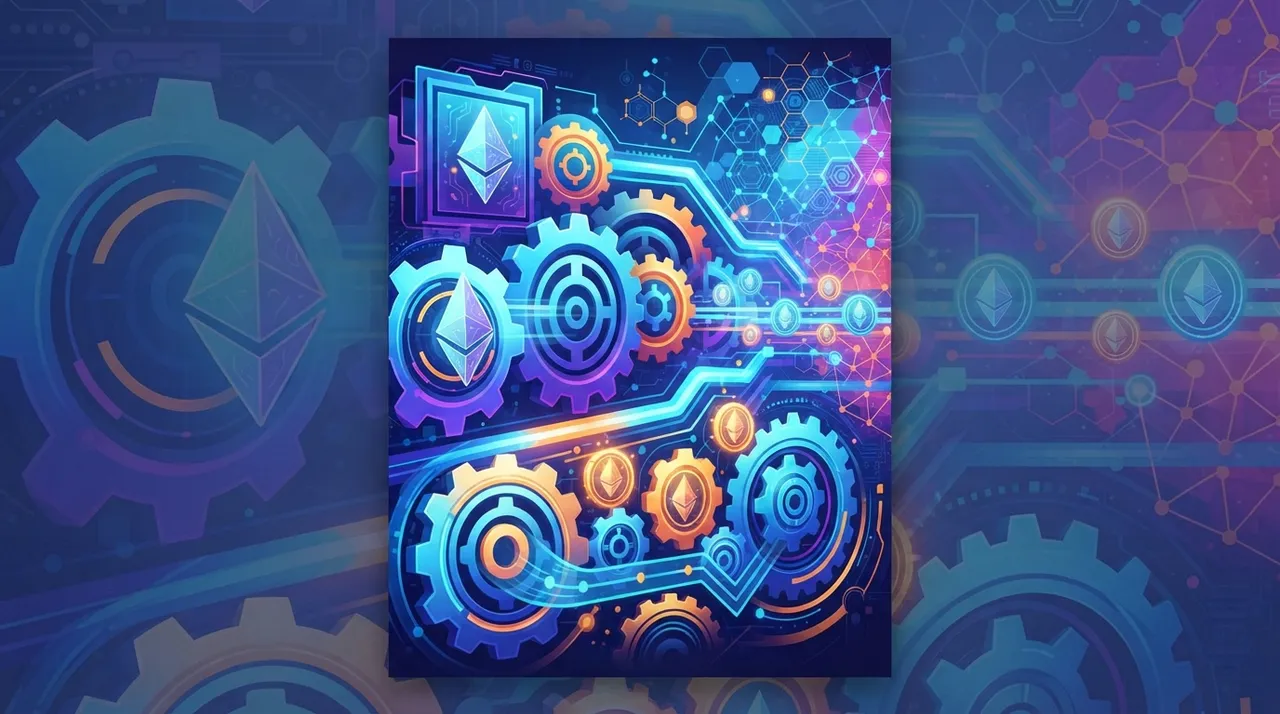
The world of cryptocurrencies has witnessed rapid developments, and with each innovation, new ways emerge to maximize value and utilize digital assets. Amidst this evolution, the concept of "Reverse Tokenization" stands out as one of the promising trends reshaping how we interact with Non-Fungible Tokens (NFTs), transforming them from mere digital collectibles into dynamic financial assets.
What's New: Reverse Tokenization for NFTs
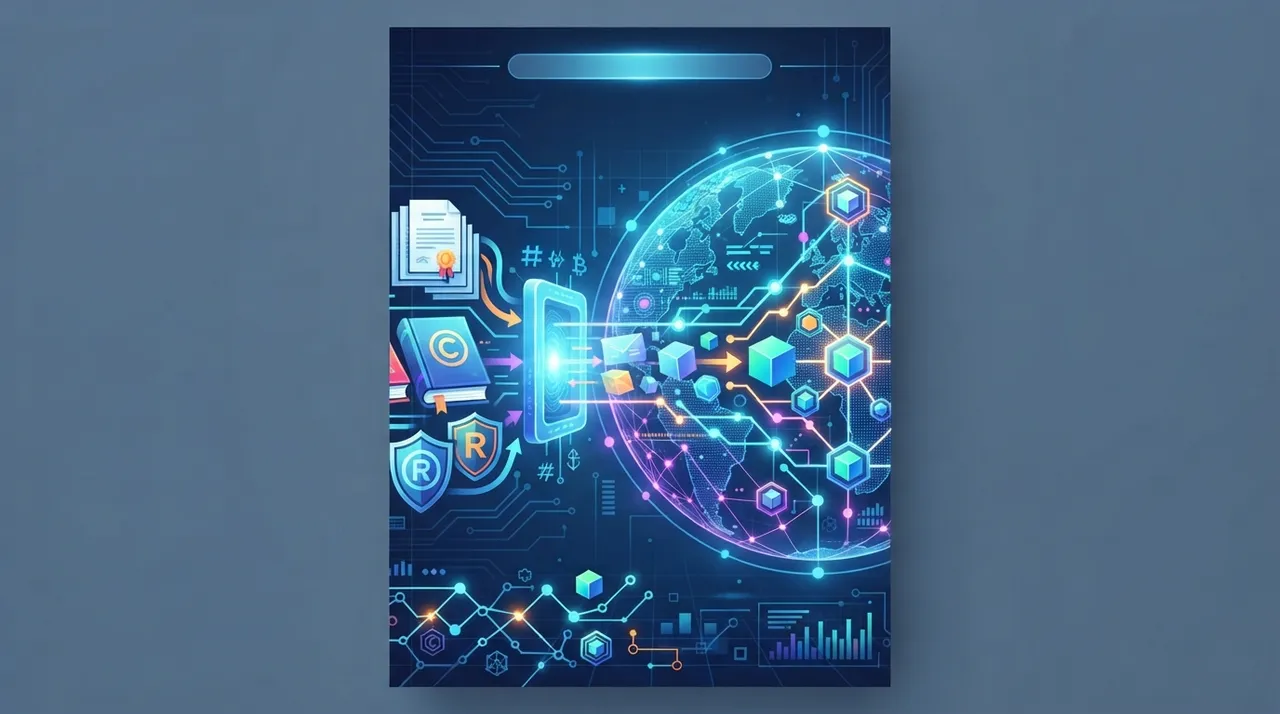
Reverse tokenization is a technical process that allows for the conversion of Non-Fungible Tokens (NFTs) into fungible assets, or what are known as traditional cryptocurrencies. In other words, instead of having a unique NFT representing a specific asset (such as a piece of art or digital real estate), you can convert this NFT into a number of identical, tradable cryptocurrencies. For example, the owner of a high-value NFT can fractionalize it into hundreds or thousands of fungible tokens, which can then be individually traded on decentralized exchanges.
This process is typically executed via smart contracts that lock the original NFT in a dedicated wallet and issue new fungible tokens known as "Fractionalized Tokens" or "Synthetic Tokens." These tokens can be compatible with standards such as ERC-20 on the Ethereum network, making them easier to trade and integrate into the Decentralized Finance (DeFi) ecosystem.
Why it Matters: Greater Liquidity and New Investment Opportunities
The primary significance of reverse tokenization lies in its ability to address the low liquidity often faced by NFTs. Due to their unique nature, NFTs are often difficult to sell quickly or use as collateral in financial transactions. However, by converting them into fungible tokens, their liquidity increases significantly, opening the door to numerous practical benefits:
- Increased Liquidity and Accessibility: Reverse tokenization allows investors to access small portions of high-value NFTs, lowering the barrier to entry and attracting a wider audience. Instead of buying an entire NFT for a large sum, an investor can purchase a fraction of it at a lower price.
- Diversified Investment Opportunities: Creators and NFT owners can leverage their assets more effectively. For example, they can sell portions of an NFT to raise capital without relinquishing full ownership of the original asset. Investors can also create diversified portfolios that include fractions of multiple NFTs.
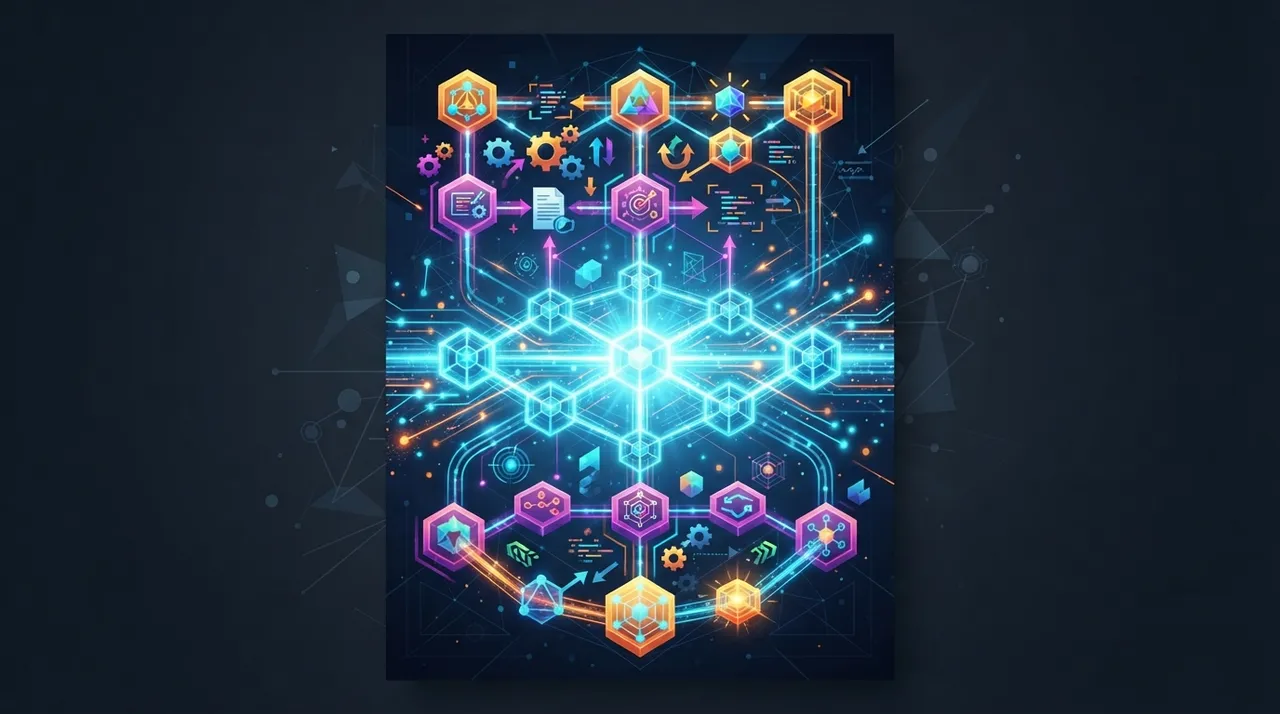
- DeFi Integration: Fractionalized tokens can be used as collateral for loans on decentralized lending platforms, listed in liquidity pools on decentralized exchanges, or even utilized in yield farming protocols. This connects the NFT market to the broader DeFi ecosystem, increasing its utility and value.
- Better Price Discovery: With an increasing number of traders and participants, reverse tokenization can help establish more accurate prices for NFTs, as the displayed prices reflect the value of the traded fractions in the market.
These developments are a cornerstone in building a more mature and flexible NFT market. As the cryptocurrency ecosystem continues to grow, reverse tokenization is expected to play a crucial role in unlocking new horizons for creators and investors alike, and enhancing the ability of NFTs to integrate into the broader digital economy.



Comments 0
No comments yet — be the first to share your thoughts.
Share your thoughts
To comment, sign in first — we email you a one-time code (no password). This keeps the discussion clean.
Sign in to comment →