
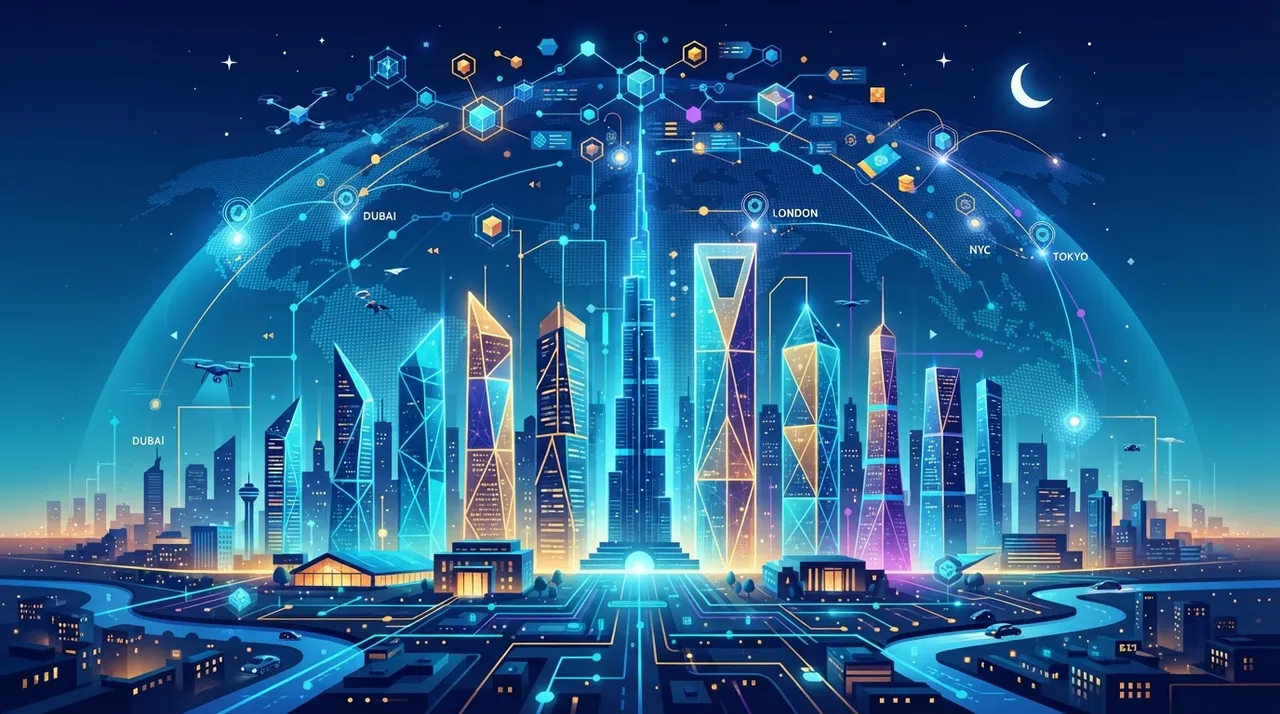
Real estate investment has long been considered a safe and profitable haven, yet it has been plagued by significant barriers, primarily the need for substantial capital, low liquidity, and complex legal procedures. Today, with the rapid advancement of blockchain technology, a promising new trend known as “Real Estate Tokenization” is emerging, redefining how we own and trade real estate, and opening unprecedented opportunities for investors of all levels.
What's New: Digital Ownership of Real Assets
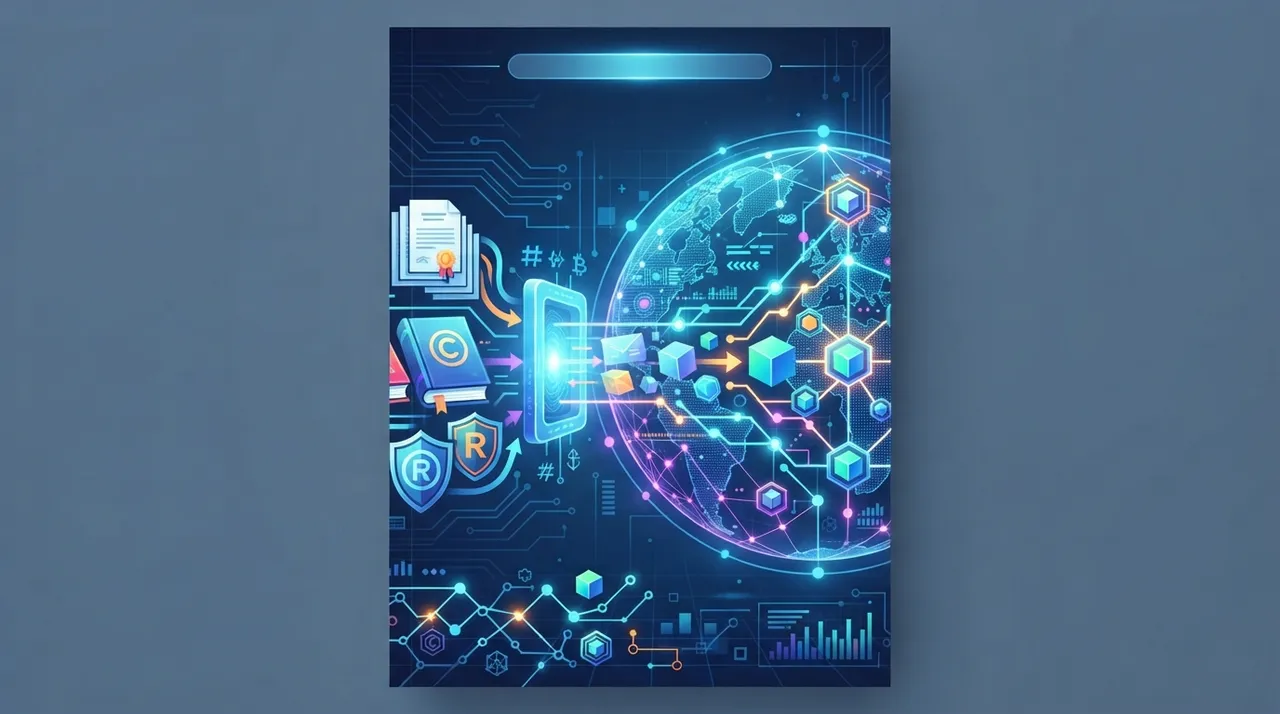
Real estate tokenization is the process of converting physical real estate ownership rights into digital tokens on a blockchain network. These tokens represent stakes in the underlying real estate asset, whether it's fractional ownership, rights to rental income, or even shares in a legal entity that owns the property. Unlike traditional real estate, which requires paper deeds and lengthy processes, ownership and transfers are recorded on a decentralized, immutable digital ledger (blockchain), providing unique transparency and security to transactions.
These tokens can represent ownership of a part of a property, an entire property, an equity interest in an entity controlling a property, or even a right to share in the property's cash flows. By 2026, the value of tokenized real estate assets has surpassed $10 billion, with projections to reach $1.4 trillion by 2027, and an overall market forecast of $1.5 trillion by 2030.
Why It Matters: Liquidity, Flexibility, and Broader Access
Real estate tokenization is fundamentally transforming the market for several key reasons:
- Enhanced Liquidity: Traditional real estate is inherently illiquid; selling a property can take months. Tokenization allows for the instantaneous sale of fractional shares of a property to a global pool of investors, without needing to sell the entire asset. These tokens can be traded 24/7 on secondary marketplaces, providing unprecedented liquidity.
- Lower Barriers to Entry: Investors can now purchase small portions of high-value properties with as little as $50, opening the door for a wider range of global investors to participate in the real estate market. This eliminates the need for significant capital and promotes financial inclusion.
- Reduced Costs and Increased Efficiency: Tokenization reduces reliance on intermediaries such as brokers, escrow agents, and banks, significantly lowering transaction costs. Smart contracts automate ownership transfers, dividend distributions, and record updates, saving time and increasing efficiency.
- Transparency and Security: All transactions and ownership records are stored on the blockchain, providing an immutable and transparent ledger for all relevant parties. This reduces the risk of fraud and increases market trust.
- Global Access: Tokenization removes geographical barriers, allowing investors from anywhere in the world to access real estate markets that were previously unavailable to them.
Platforms like RealT, Lofty, and Propy are leading the way in this sector. RealT, for instance, has pioneered residential real estate tokenization since 2019, offering investments with low minimums in US rental properties and daily rental income distributions. Lofty, operating on the Algorand blockchain, also allows investments starting from $50 in US rental properties with daily income payouts.
How to Benefit Practically: Tools and Steps
To capitalize on real estate tokenization investment opportunities, here are practical steps and useful tools:
- Research Platforms: Start by researching reputable and regulated real estate tokenization platforms. Notable examples in 2026 include:
- RealT: Specializes in US residential rental properties, offering low minimum investments and daily rental income.
- Lofty: Another platform focusing on US rental properties, providing fractional investments and instant liquidity on the Algorand blockchain.
- Propy: Focuses on end-to-end blockchain real estate transactions and recording property deeds on-chain.
- HoneyBricks: Specializes in multifamily commercial real estate, offering fractional investment opportunities.
- Zoniqx: A comprehensive platform for Tokenized Asset Lifecycle Management (TALM), emphasizing compliance and global liquidity.
- Reental: An international platform utilizing Polygon for real estate tokenization and operating a peer-to-peer marketplace.
- Understand Different Types: Tokens often represent financial rights linked to the property, such as equity stakes in a building or fund, rights to rental income or profit distributions, or debt participation or governance rights. The token does not represent ownership of the physical building itself but rather legally enforceable rights already recognized under existing law.
- Regulatory Compliance: Ensure that the platform you choose complies with local and international regulations. Many real estate tokens are considered securities and are subject to strict regulations. For example, platforms like Prypco Mint in Dubai offer strong regulatory backing from the Dubai Land Department (DLD) and the Virtual Assets Regulatory Authority (VARA).
- Assess Liquidity: Look for platforms that offer robust liquidity mechanisms, such as secondary marketplaces that allow you to easily sell your tokens.
- Start Investing: After selecting a suitable platform and completing KYC/AML procedures, you can begin purchasing real estate tokens. Rental income or profits are often paid directly to your digital wallet in stablecoins (e.g., USDC).
Real estate tokenization is part of a broader trend known as “Real World Assets” (RWAs), which aims to bring the value of physical assets onto the blockchain. These assets, along with Decentralized Physical Infrastructure Networks (DePINs), represent a promising future that connects the physical and digital worlds, contributing to the creation of more efficient and resilient ecosystems.
In 2026, real estate tokenization is no longer a futuristic concept but a rapidly evolving reality. By understanding its mechanisms and choosing the right platforms, investors can now access a more liquid, transparent, and democratic real estate market, achieving significant returns from assets that were once out of reach.


Comments 0
No comments yet — be the first to share your thoughts.
Share your thoughts
To comment, sign in first — we email you a one-time code (no password). This keeps the discussion clean.
Sign in to comment →