
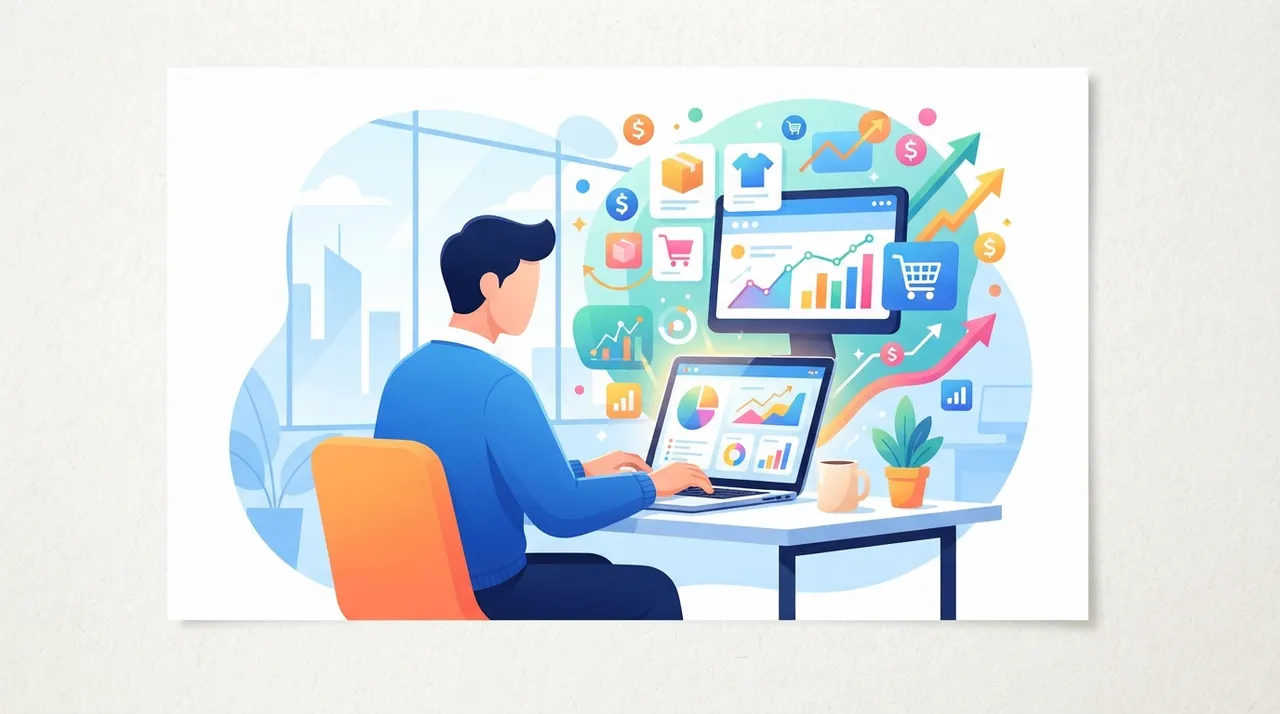
Starting a dropshipping business often conjures images of complex setups and significant upfront costs. However, a lean, capital-free approach is entirely feasible, especially for those leveraging smart strategies and readily available free resources. This method focuses on minimizing financial risk while maximizing the potential for profit, making it an attractive option for aspiring entrepreneurs in 2026.
Identifying High-Demand Niches with Zero Investment
The foundation of a successful dropshipping venture, particularly one without upfront capital, lies in astute niche selection. Instead of guessing, we can use free tools to uncover what people are actively searching for and what products are trending.
- Google Trends: Use this free tool to identify rising search queries and seasonal product demands. Look for consistent growth over time rather than short-lived spikes.
- Amazon Best Sellers/eBay Trending: While you won't be buying inventory, these sections offer insights into popular products and categories consumers are actively purchasing.
- Social Media Analysis: Explore platforms like TikTok, Instagram, and Facebook groups. What products are generating engagement? What problems are people discussing that a product could solve?
- Keyword Research (Free Tools): Basic free keyword research tools can reveal search volume for specific product terms, indicating demand. Focus on long-tail keywords which often have less competition.
The goal is to find a niche where demand is high, competition is manageable, and products can be sourced reliably without needing to pay for them upfront.
Sourcing Products Without Pre-Purchase
The core of free dropshipping is never holding inventory. This means relying on suppliers who ship directly to your customer after you've made a sale. The key is to establish relationships or use platforms that facilitate this model.
- AliExpress: This remains a popular choice for dropshippers due to its vast selection and supplier-friendly policies. Many suppliers offer dropshipping services, requiring no upfront payment for products. You only pay for the item once your customer has paid you.
- Doba: While Doba offers paid plans, they also have a free trial that allows you to explore their product catalog and supplier network. Some suppliers might be accessible without a paid subscription, though functionality will be limited.
- Wholesale2B: Similar to Doba, Wholesale2B has free browsing options. The key is to meticulously check each supplier's terms and conditions for dropshipping without upfront costs.
- Direct Supplier Outreach: For specific niches, consider reaching out to small manufacturers or local artisans. Some might be open to dropshipping arrangements, especially if you can prove your marketing capabilities.
Always prioritize suppliers with good reviews, reliable shipping, and clear communication channels to avoid customer service issues.
Building Your Free Online Store
Creating an online storefront doesn't have to incur costs. Several platforms allow you to set up a basic, functional store for free, enabling you to list products and process orders.
- Shopify (Trial Period/Basic Plan): While Shopify is a paid platform, they frequently offer extended free trials (e.g., 14-day, 30-day). This period can be enough to launch and make your first sales. If successful, the profits can then cover subscription costs. Look for promotions or limited-time offers for extended free access.
- WooCommerce (with free WordPress hosting): If you're comfortable with a bit more technical setup, pairing WooCommerce (a free plugin) with a free WordPress hosting provider (like 000webhost or AwardSpace for basic sites) allows for a fully customizable store. This requires more effort but offers complete control.
- Ecwid (Free Plan): Ecwid provides a free plan that allows you to sell up to 10 products. This is an excellent starting point for testing a niche and getting familiar with e-commerce operations. You can integrate it into an existing website or even a social media page.
- Facebook/Instagram Shops: For businesses focusing heavily on social media, Facebook and Instagram Shops allow you to list products directly on your business pages. While not a standalone store, it integrates well with existing social media marketing efforts.
Focus on creating clear product descriptions, high-quality images (often provided by suppliers or found freely with permission), and an intuitive user experience.
Effective Marketing Without Advertising Spend
Generating sales without paying for ads requires creativity, consistency, and an understanding of organic reach.
- Social Media Marketing (Organic):
- Content Creation: Develop engaging content around your niche. This could be product reviews, lifestyle photos, short videos demonstrating product use, or solving common problems your product addresses.
- Community Engagement: Join relevant Facebook groups, subreddits, and online forums. Contribute value and subtly introduce your products where appropriate, avoiding spam.
- Influencer Collaboration (Micro-Influencers): Reach out to micro-influencers (1,000-10,000 followers) in your niche. Offer them free products in exchange for reviews or posts. Many are open to this, especially when starting.
- Search Engine Optimization (SEO): Optimize your product titles and descriptions with relevant keywords to rank higher in search results. This is a long-term strategy but yields free, targeted traffic.
- Email Marketing (Free Tools): Build an email list from your website visitors or social media followers. Use free email marketing services (like Mailchimp's free tier) to send newsletters, promotions, and product updates.
- Guest Blogging/Collaborations: Offer to write guest posts for related blogs or collaborate with other non-competing businesses to cross-promote each other's offerings.
The key is to provide value to your target audience, building trust and naturally guiding them towards your products.
Steps for a Zero-Capital Dropshipping Launch
- Niche Validation: Use Google Trends, social media, and free keyword tools to find a profitable, low-competition niche.
- Supplier Vetting: Identify reliable dropshipping suppliers on platforms like AliExpress, ensuring they offer direct shipping and no upfront product costs. Verify their reputation.
- Free Store Setup: Choose a free e-commerce platform (e.g., Ecwid free plan, Shopify trial, Facebook Shop) and set up your product listings with clear descriptions and images.
- Organic Marketing Plan: Develop a content strategy for social media (TikTok, Instagram, Pinterest), implement basic SEO, and explore email marketing with free tools.
- Test and Iterate: Launch your store, monitor sales, gather customer feedback, and continuously refine your product offerings and marketing efforts.
- Profit Reinvestment: Once sales start coming in, allocate a portion of your profits to cover platform fees (if applicable), invest in paid advertising, or expand your product range.
Starting a dropshipping business without initial capital requires diligence and a willingness to leverage free resources effectively. By focusing on smart niche selection, reliable suppliers, free store platforms, and organic marketing, you can build a profitable online venture from the ground up in 2026. The journey demands consistent effort and adaptability, but the potential for significant returns without financial risk makes it a compelling path for aspiring entrepreneurs.



Comments 0
No comments yet — be the first to share your thoughts.
Share your thoughts
To comment, sign in first — we email you a one-time code (no password). This keeps the discussion clean.
Sign in to comment →