
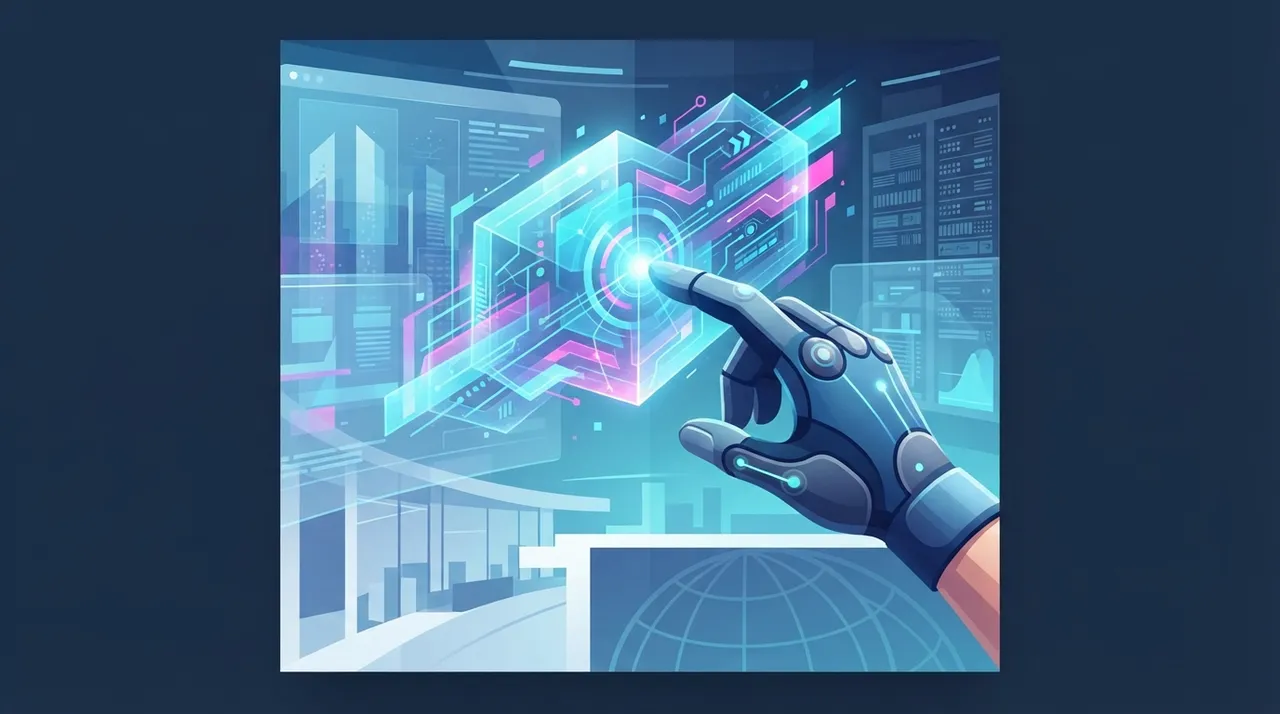
Our experience with digital worlds has long been confined to what we see and hear. Screens display images, and headphones deliver sounds. But what if we could feel these worlds? To touch virtual objects, perceive their textures, and experience their resistance? This is the promise that advanced haptic technology is beginning to fulfill, now at the forefront of innovations breaking the screen barrier and making digital interaction tangible like never before.
What's New
In 2026, haptic technologies are moving beyond simple phone vibrations to encompass complex systems capable of simulating a wide range of tactile sensations, such as texture, pressure, temperature, and even recoil force. [9, 13] These technologies rely on miniature actuators that can be integrated into wearables like gloves and full-body suits, or even into surfaces we interact with. [1, 2, 8] For instance, at CES 2026, several companies unveiled new generations of haptic devices that convey physical sensation in virtual reality, ranging from gloves to full-body suits. [8] Companies like Haply Robotics are also offering haptic input devices that allow users to "touch" 3D models, originally developed for surgical robotics training. [29]
These innovations enable touchscreens to move beyond smooth glass and basic vibrations. Advanced haptic systems now simulate texture and physical cues through electrostatic modulation and micro-actuation delivered directly to the fingertip. [2] This approach makes digital interactions feel more natural and responsive. [2]
Why It Matters
Advanced haptic technology is profoundly important because it significantly enhances immersion and realism in digital experiences. In virtual and augmented reality, users can feel virtual objects, which boosts engagement and makes experiences more realistic. [2, 13] This isn't limited to gaming and entertainment but extends to practical and vital applications:
- Training and Simulation: In fields like surgery and medicine, haptic devices allow doctors and trainees to feel tissue resistance and instrument pressure, improving training accuracy and reducing potential errors. [15, 22, 28, 34] They are also used in industrial skills training and military defense simulations, providing realistic training environments without real risks. [28]
- Enhanced Accessibility: Haptic technology can assist individuals with visual or hearing impairments by translating visual or auditory information into tactile signals. [10, 13, 16] For example, Braille watches can provide tactile pulses to indicate time or messages. [15]
- Remote Control and Telepresence: This technology enhances telepresence systems, allowing users to feel remote environments as if they were physically present, which is valuable in areas such as remote surgery and handling hazardous materials. [10]
- Automotive and Consumer Electronics: Thoughtfully designed haptic sensations contribute to improved user experience and safety in automotive interfaces, where drivers can receive tactile signals on the steering wheel to alert them to potential hazards. [2, 10, 16] In smartphones and tablets, haptic sensations enhance interaction, making typing more intuitive and precise. [26, 31]
The global haptic technology market was valued at approximately $16.8 billion in 2022 and is projected to reach $47 billion by 2030, with a compound annual growth rate (CAGR) of 13.7%. [11]
How to Benefit Practically
To leverage advancements in haptic technology, readers can focus on the following aspects:
- Invest in Supporting Devices: When purchasing new electronic devices, such as smartphones, gaming devices, or wearables, look for those that promote advanced haptic features (HD haptics). Companies often indicate the use of sophisticated motors like piezoelectric actuators, which provide faster, more precise responses and texture sensations. [12, 26]
- Virtual and Augmented Reality Applications: If you are interested in VR or AR, seek out wearables like gloves and suits that offer immersive haptic feedback. [3, 8] These devices can significantly enhance the realism and effectiveness of training or entertainment experiences. [14, 17]
- Professional Training: In fields that rely on manual skills, such as medicine and engineering, inquire about training programs that integrate haptic simulation. These tools can provide a more effective learning experience. [15, 28]
- Personal Development: For developers and designers, explore available SDKs and tools to integrate haptics into your applications or projects. Companies like Immersion Corporation and Ultraleap offer solutions in this area. [7, 24]
- Research and Awareness: Stay updated on the latest research and developments in this field. Sources such as tech conferences (e.g., CES 2026) and specialized publications can provide insights into future trends and how they might impact your life. [8, 19]
Haptic technology is no longer just simple vibrations; it is a new bridge connecting our digital world with physical reality, opening vast possibilities for richer and more effective experiences in various aspects of our daily and professional lives.




Comments 0
No comments yet — be the first to share your thoughts.
Share your thoughts
To comment, sign in first — we email you a one-time code (no password). This keeps the discussion clean.
Sign in to comment →