
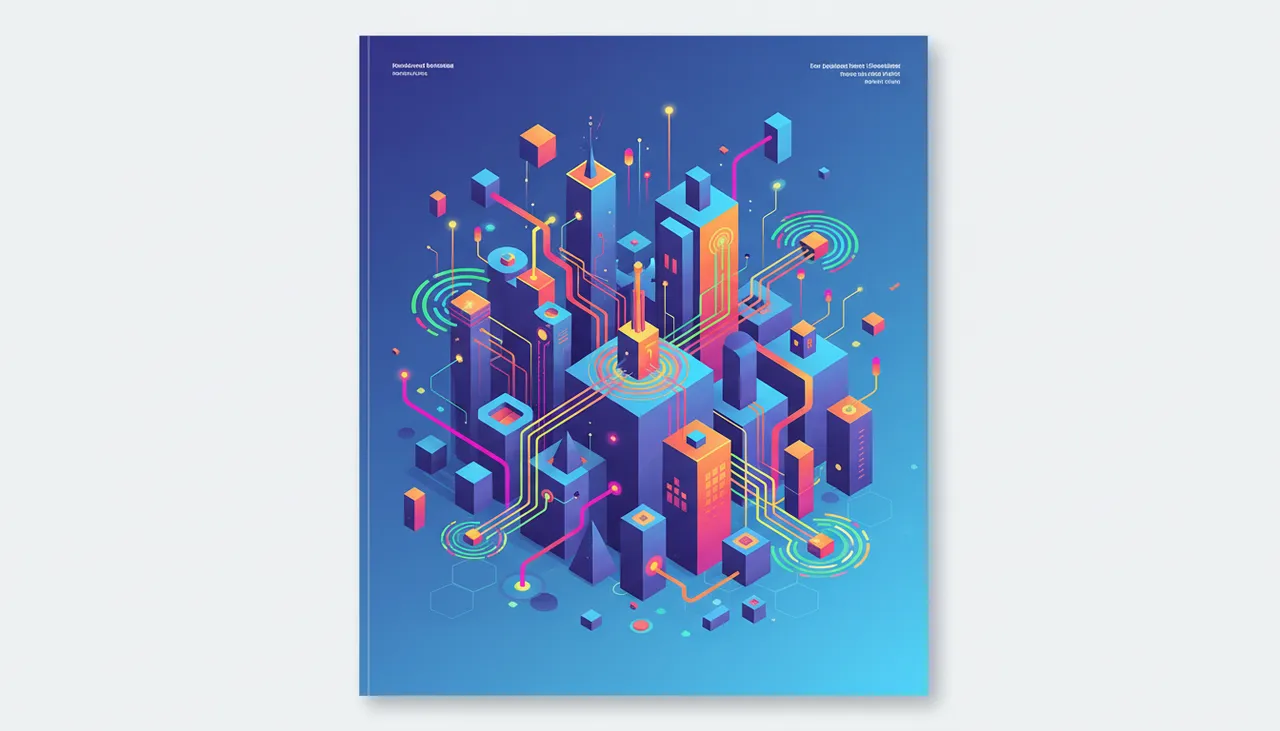
In our rapidly accelerating digital world, Decentralized Autonomous Organizations (DAOs) are emerging as a revolutionary model that redefines governance and organization. Decisions are no longer confined to closed boardrooms but are made through transparent, on-chain voting accessible to thousands of participants worldwide. These entities offer a superior alternative for specific coordination needs, such as transparent funding, protocol management, and community ownership, promising a radical transformation in how communities, businesses, and even governments operate.
What's New
DAOs have evolved significantly in 2026, transitioning from mere experiments to powerful governance engines reshaping financial sectors, communities, and business models. Instead of traditional hierarchies, DAOs rely on programmable, trust-minimized systems where token holders propose changes, delegate votes, and execute upgrades via smart contracts, creating a continuous, inclusive decision-making process. Despite challenges like occasional low voter participation, the core idea that decentralization better aligns incentives than top-down control remains strong.
DAOs are currently used for a wide range of purposes, from investment and insurance to protocol governance, collective art purchases, and real-world asset management. Prominent examples include MakerDAO, which governs the decentralized stablecoin USDS (formerly DAI), where token holders vote on collateral types, stability fees, and risk parameters, managing billions in value without a central bank. There's also Uniswap DAO, which controls a leading decentralized exchange, with UNI token holders voting on fee switches, treasury use, and protocol upgrades.
Why It Matters
DAOs stand out as a superior alternative to traditional governance for several fundamental reasons. First, decentralization enhances power distribution, eliminating the need for a central authority. Second, they offer complete transparency, with all transactions and decisions publicly accessible on the blockchain, fostering trust and accountability. Third, they enable global reach, allowing participation from anyone worldwide and creating diverse communities. Fourth, they improve efficiency through automated processes via smart contracts, reducing the need for intermediaries and streamlining operations.
For the reader, DAOs mean real influence over the systems they use. Individuals can participate in decision-making, giving them a voice in guiding the future developments of protocols and projects. Users can acquire governance tokens in the protocols they interact with, granting them voting rights that could shape the next upgrade. DAOs also enable collective ownership and management of digital assets without relying on a central authority, contributing to aligning the organization's goals with the interests of its members.
How to Benefit Practically (Tools and Steps)
To participate in or create a DAO, you can follow these steps:
- Research and Explore DAOs: Look for DAOs that align with your interests or values. Many lists and tools are available to explore DAOs, such as Alchemy's list of 134 DAOs across various blockchains.
- Acquire Governance Tokens: Voting rights are typically granted to holders of a DAO's governance tokens. You can purchase these tokens on various exchanges.
- Join the Community: Engage in the DAO's forums, Discord channels, and other social media platforms to interact with other members.
- Vote and Contribute: Participate in DAO governance by voting on proposals and contributing to discussions.
- Create Your Own DAO (for Developers or Teams): If you're considering creating your own DAO, start by defining its purpose and mission. Choose the right blockchain and DAO framework, and create your governance token (tools like Token Tool can be used to create governance tokens without coding). Afterward, set up governance and voting rules, establish a secure DAO treasury, and then build, launch, and scale your community.
DAOs represent a game-changing trend in how we organize and interact. As awareness and technological development continue to grow, these entities will become an integral part of our digital future, allowing more individuals to actively participate in building and guiding projects and communities.

Comments 0
No comments yet — be the first to share your thoughts.
Share your thoughts
To comment, sign in first — we email you a one-time code (no password). This keeps the discussion clean.
Sign in to comment →