
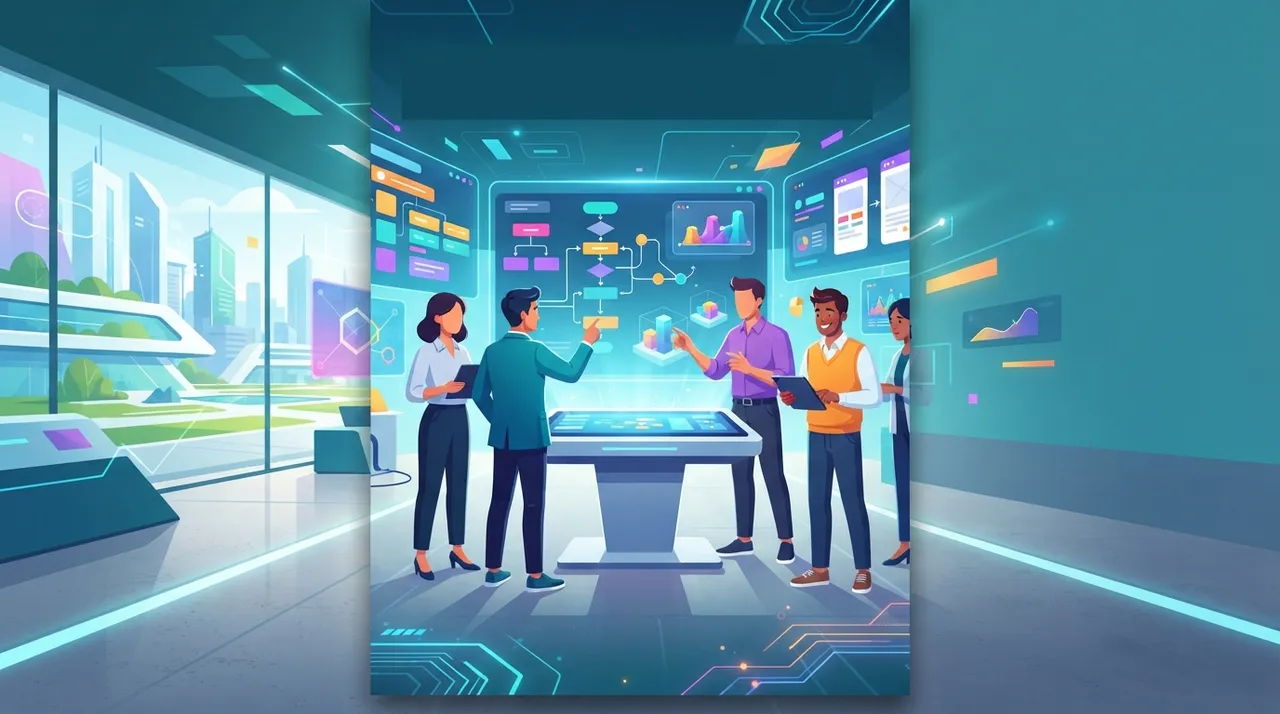
The days when application development was exclusively for experienced programmers are long gone. In 2026, no-code tools are a key driver of innovation, enabling individuals and businesses to transform their ideas into practical digital solutions with astonishing speed and lower costs. These tools, relying on intuitive visual interfaces, open doors for "Citizen Developers" to create integrated applications without writing a single line of code, significantly reducing technical barriers and accelerating the pace of digital transformation.
What's New
The no-code/low-code development market has experienced tremendous growth, reaching $65 billion in 2026, and is projected to hit $94 billion by 2028. This growth is driven by several factors, most notably the urgent need for accelerated digital transformation and the shortage of talent in traditional development. Estimates suggest that 70% of new applications developed by organizations will use no-code or low-code technologies by 2026, up from less than 25% in 2020.
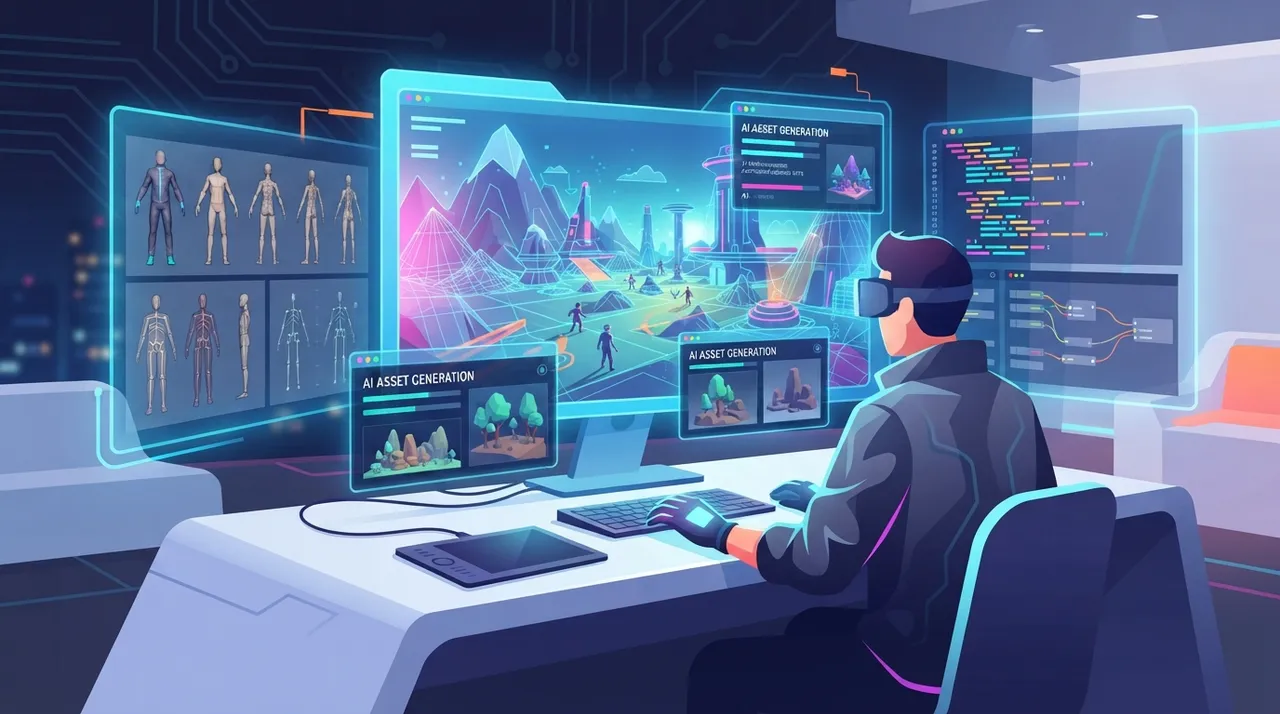
One of the most significant developments in this field is the increasing integration of Artificial Intelligence (AI) into no-code platforms. In 2026, 72% of no-code/low-code platforms now integrate AI-powered features into their core toolset. AI-powered no-code tools can generate complete, functional application prototypes from natural language descriptions in under 5 minutes. This integration dramatically accelerates the development process, with GitHub Copilot, for instance, writing 46% of code for its active users, and its integration with low-code platforms accelerating development speed by an additional 55%.
No-code applications are no longer limited to simple tasks. They are now used to run internal operations, replace spreadsheets, automate workflows, and power customer-facing products. Businesses can create applications for inventory management, booking systems, reporting dashboards, marketplaces, and Minimum Viable Products (MVPs) that support daily decision-making and operational growth.
Why It Matters
No-code tools are of paramount importance to individuals and businesses for several reasons:
- Unprecedented Development Speed: No-code platforms accelerate time-to-market by up to 74% compared to traditional development methods. The average no-code/low-code project is completed in 3.2 weeks, compared to 14.8 weeks for an equivalent traditionally developed project. This allows businesses and individuals to respond quickly to changing market demands and test new ideas efficiently.
- Significant Cost Reduction: Organizations report an average 62% reduction in development costs compared to traditional custom development. ROI from low-code/no-code adoption is typically realized within 6 to 9 months, with a 3-year ROI of 342% for enterprise adopters.
- Empowering Non-Technical Users: No-code tools democratize software development, enabling non-IT professionals, known as "citizen developers," to create digital applications and services. By 2026, citizen developers are expected to outnumber professional developers by 4 to 1 in large enterprises.
- Flexibility and Innovation: No-code tools allow teams to focus on solving actual problems rather than getting bogged down in coding details, leading to more innovation and rapid adaptation to changes. They also facilitate the automation of repetitive tasks, saving time and increasing productivity.
To leverage these tools, readers can follow these steps:
- Define the Need: Before starting, clearly identify the problem or need the application aims to solve. Is it an internal task management app, a customer portal, or a marketing automation tool?
- Choose the Right Platform: Many no-code platforms are available, each with its strengths. For example, Glide for turning spreadsheets into apps, Bubble for creating complex web applications, Webflow for professional website design, and Zapier for automating workflows between different applications.
- Learn and Practice: Most platforms start with free or trial plans. New users can benefit from available tutorials and resources to acquire the necessary skills.
- Build and Iterate: Platforms often begin with a simple drag-and-drop interface. Start by creating a simple Minimum Viable Product (MVP) and testing it, then add more features based on feedback.
- Integrate with AI: For maximum benefit, explore the AI features embedded in these platforms to automate complex tasks or analyze data more deeply.
The future of software development is moving towards empowerment and speed. As no-code tools continue to evolve and integrate with AI technologies, the ability to build digital solutions will become an essential skill in the business world, opening new horizons for innovation and growth for everyone.


Comments 0
No comments yet — be the first to share your thoughts.
Share your thoughts
To comment, sign in first — we email you a one-time code (no password). This keeps the discussion clean.
Sign in to comment →