

In the rapidly evolving digital landscape of 2026, innovation is no longer exclusive to specialized IT departments. With increasing demand for software and challenges in acquiring professional developers, a powerful new trend is emerging: the 'Citizen Developer.' This concept redefines who can build technological solutions, opening the door to unprecedented acceleration in digital transformation.
What's New: The Rise of the Citizen Developer
A citizen developer is an employee who creates or modifies software applications to support their own or their team's needs, utilizing low-code and no-code tools. These individuals, often without formal programming backgrounds, are now able to build custom applications, automate workflows, and design user interfaces with ease through visual drag-and-drop interfaces.
Statistics show that this trend is not just a niche phenomenon. Citizen developers are projected to outnumber professional developers by 4 to 1 in large enterprises by 2026. Forecasts also indicate that up to 80% of low-code tool users by 2026 will be from outside formal IT departments. Furthermore, 70% of new applications developed by organizations by 2026 will use low-code or no-code technologies.
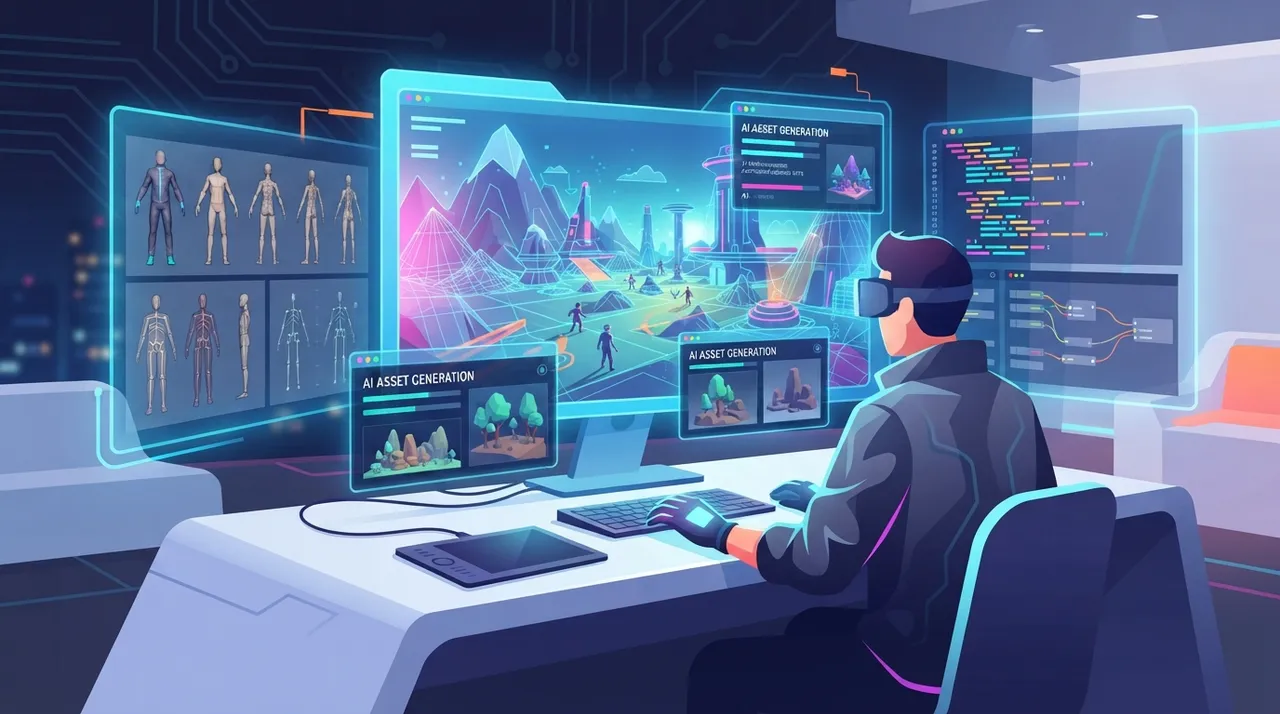
Real-world examples of these tools include platforms like Jotform Apps, Quickbase, Zoho Creator, Bubble, Airtable, and Glide, which enable users to build everything from web and mobile applications to workflow management tools and inventory tracking systems. Some platforms, such as Superblocks, integrate generative AI to assist users in creating full-stack applications through natural language prompts, while maintaining governance and security.
Why It's Spreading Now: Bridging Gaps and Fostering Agility
The proliferation of citizen developers is a direct response to several key factors in the current business environment:
- Increasing Demand for Software and Developer Shortages: Organizations face a constantly growing demand for new software solutions, while there is a global shortage of software developers. Low-code and no-code tools bridge this gap by enabling non-specialists to create their own solutions, reducing the backlog on IT departments.
- Accelerated Innovation and Agility: These tools allow organizations to respond quickly to market changes and customer needs. Citizen developers can prototype and iterate applications much faster than traditional development methods, reducing time-to-market and improving operational agility.
- Reduced Costs and Optimized Resource Allocation: Low-code and no-code platforms significantly reduce development and maintenance costs by eliminating the need to write large amounts of custom code. This frees up IT teams to focus on more complex and strategic projects.
- Convergence with AI: Many low-code and no-code platforms now integrate AI capabilities, such as assistance in application generation and workflow recommendations, further accelerating development and expanding the possibilities for citizen developers.
- Governance and Security: Despite concerns about 'shadow IT,' modern platforms incorporate robust governance and security features, such as role-based access control and audit logging, ensuring that citizen-built applications remain compliant and secure.
How Readers Can Practically Benefit (Tools/Steps)
For readers interested in leveraging the citizen developer movement, here are practical steps and suggested tools:
Steps:
- Identify a Problem: Start by identifying a specific problem or inefficient process in your daily work or within your team. Is there a manual, repetitive task? Do you need a better way to track data?
- Research the Right Tool: There are many low-code and no-code platforms, varying in their capabilities and required complexity. Some popular options include:
- Jotform Apps: For quickly creating applications from existing forms and data.
- Quickbase: For building custom applications for complex workflows.
- Zoho Creator: For rapidly creating AI-powered applications.
- Bubble: For developing complex, scalable web applications without code.
- Airtable: For intermediate citizen developers building internal tools for their organizations, especially for data management.
- Glide: For creating mobile applications from existing spreadsheets (e.g., Google Sheets).
- Microsoft Power Apps: A powerful and integrated platform within the Microsoft 365 ecosystem.
- Start Learning and Experimenting: Utilize the learning resources available for each platform (tutorials, documentation, communities). Begin with a small, simple project to understand how the tool works.
- Iterate and Improve: Don't aim for perfection from the start. Build an initial version, test it, gather feedback, and then make improvements based on that. This agility is one of the biggest advantages of citizen development.
- Collaborate with IT (When Needed): For more complex projects or those requiring deep integration with existing systems, you may need to collaborate with the IT department. They can help ensure security, compliance, and scalability of solutions.
Empowering non-technical employees to build their own tools not only reduces pressure on IT departments but also unleashes a new wave of innovation from the people closest to the business problems. As these tools continue to evolve, the ability to build digital solutions will become an indispensable core skill in the modern workplace.



Comments 0
No comments yet — be the first to share your thoughts.
Share your thoughts
To comment, sign in first — we email you a one-time code (no password). This keeps the discussion clean.
Sign in to comment →