

In an era where the traditional network perimeter is fading, and cyber threats are growing in complexity and diversity, relying on isolated security solutions is no longer an effective option. Today, organizations are dealing with hybrid and multi-cloud environments, a distributed workforce, and IoT devices that significantly expand the attack surface. This necessitates a new security approach that is flexible and adaptable, which is precisely what Cybersecurity Mesh Architecture (CSMA) offers.
What's New
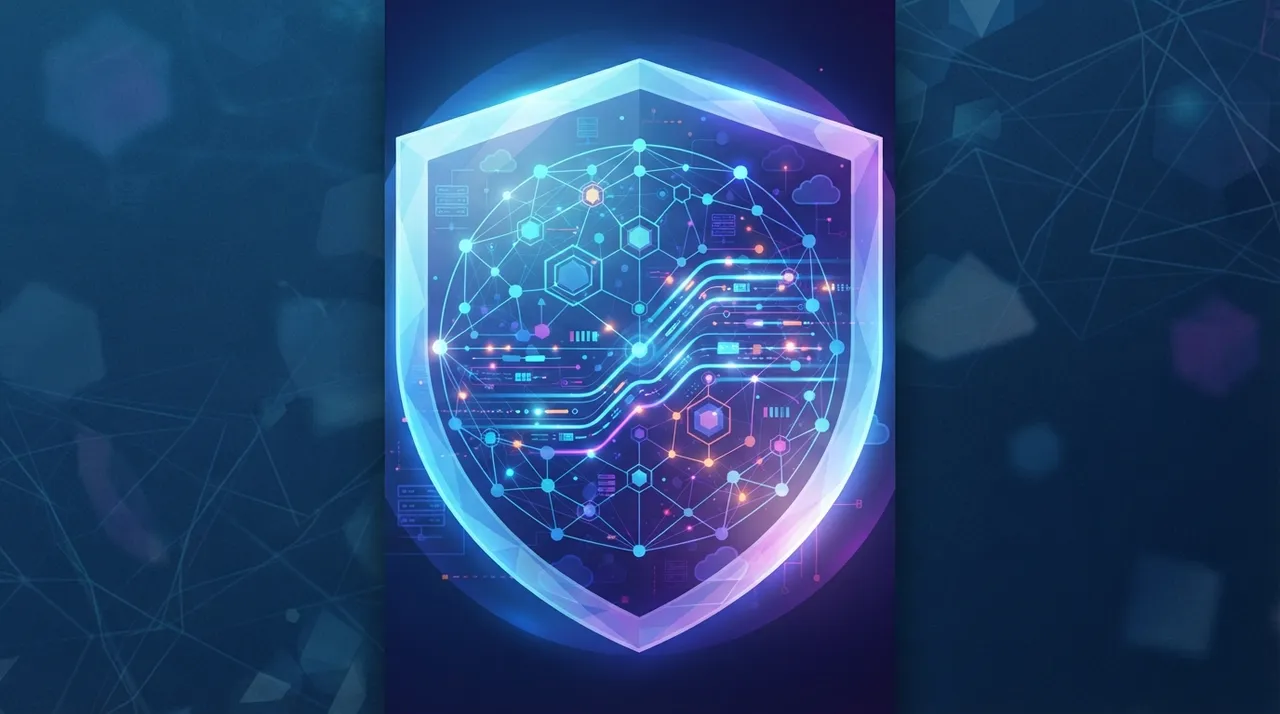
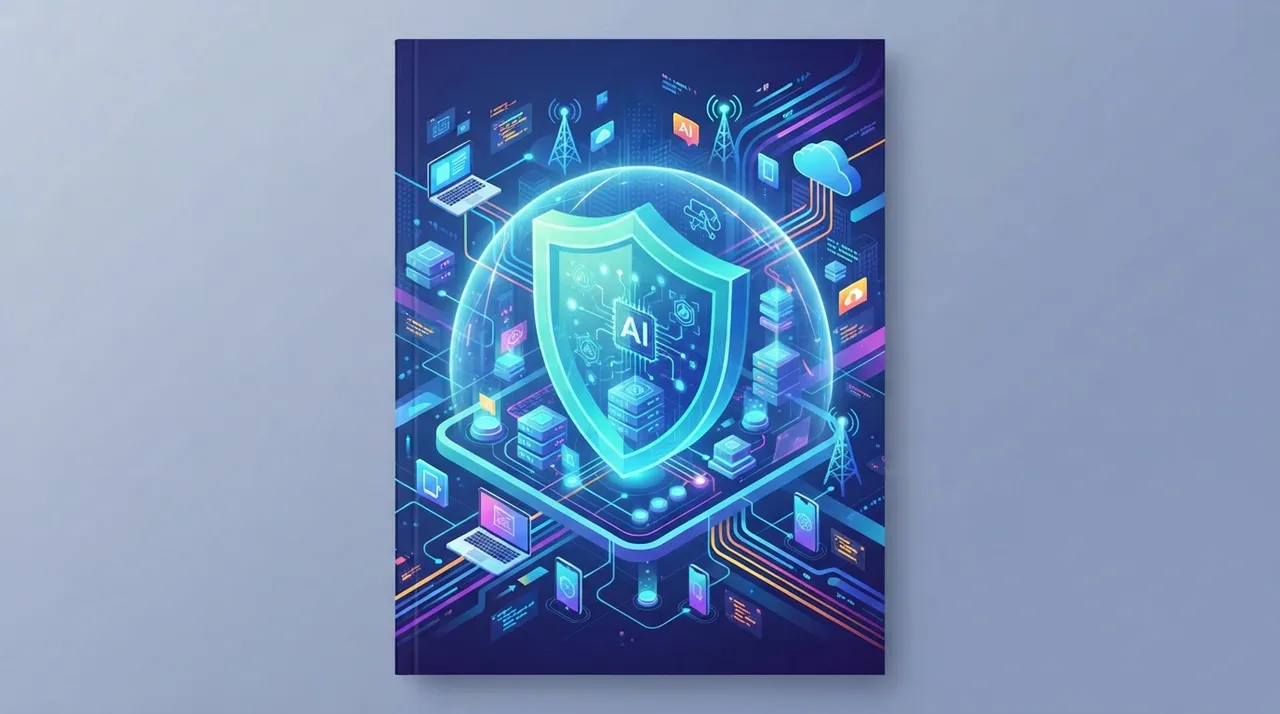
Cybersecurity Mesh Architecture (CSMA) is defined as a flexible and scalable security framework specifically designed for modern, distributed, and hybrid environments. Unlike traditional perimeter-focused security models, CSMA adopts a decentralized approach that places security controls around individual access points and devices rather than the entire network. This means identity becomes the new security perimeter, emphasizing Zero Trust principles where every interaction is treated as untrusted by default and all access requests are verified in real-time.
CSMA consists of four core layers to ensure an agile and adaptive security response: security analytics and intelligence, identity fabric, policy management and orchestration, and a consolidated dashboard and reporting. These layers allow cybersecurity tools to operate across shared layers, providing a unified view and centralized policy management across diverse infrastructure.
In 2026, there is a notable increase in enterprise adoption of CSMA, reaching 31% from just 8% in 2024. The CSMA market is expected to continue rapid growth, projected to reach $3.37 billion in 2026, with forecasts of reaching $8.69 billion by 2031, at a compound annual growth rate (CAGR) of 20.86%.
Why It Matters
The shift to cybersecurity mesh is not just a technological trend; it's an operational necessity for organizations handling sensitive data or critical systems. The traditional perimeter-based security model is no longer effective in hybrid and multi-cloud environments, where data, users, and devices are distributed across various geographical locations and platforms.
CSMA offers several critical benefits: it enhances adaptability and flexibility, allowing for tailored security measures. It also provides scalability, making it easier for the security architecture to grow with the organization. Furthermore, CSMA enables more precise application of security controls, improves comprehensive visibility into the entire security ecosystem, and offers granular control over resource access.
CSMA helps organizations significantly reduce the financial impact of security incidents. According to some estimates, organizations that successfully implement CSMA can reduce the financial impact of individual security incidents by 90%. Additionally, 73% of companies adopting this approach reported a reduced attack surface, and 79% observed improved security visibility. This strategic shift reflects a broader industry move toward modular and customer-driven security design, simplifying planning discussions around hybrid and multi-cloud security.
How to Benefit Practically
To leverage cybersecurity mesh, readers can follow these practical steps:
- Assess Current Infrastructure: Start with a comprehensive assessment of your existing security assets and vulnerabilities. Identify where your connection points, devices, and users are located outside the traditional security perimeter.
- Adopt Zero Trust Principles: Embrace a Zero Trust approach as the foundation of your strategy. This means verifying every access request, regardless of its origin, and applying the principle of least privilege.
- Leverage Existing Connectivity Options: You don't need to start from scratch. Focus on building connections between your existing security tools and controls to create an interconnected mesh.
- Deploy Consolidated Security Platforms: Move towards unified security platforms that offer tightly coupled tools utilizing common data and control planes. Many leading vendors provide solutions that support mesh design.
- Build Your Own Layers: Security teams can make targeted investments in each of the four CSMA layers (security analytics and intelligence, identity fabric, policy management, and consolidated dashboard) to provide flexible capabilities in the short term and support the long-term goal of a cybersecurity mesh.
- Training and Skill Development: Invest in training your security team on CSMA concepts and best practices. Implementation success heavily depends on team readiness.
- Utilize AI: AI can significantly enhance cybersecurity mesh by improving threat detection, automating policy adjustments, and providing predictive analytics.
Cybersecurity mesh is not just a buzzword; it's an essential framework for ensuring robust and resilient protection in an ever-evolving threat landscape. By adopting this approach, organizations can secure their digital assets across complex and distributed environments, achieving better visibility and faster response to cyber threats.



Comments 0
No comments yet — be the first to share your thoughts.
Share your thoughts
To comment, sign in first — we email you a one-time code (no password). This keeps the discussion clean.
Sign in to comment →