

In today's fast-paced digital world, cybersecurity is no longer confined to protecting traditional internal networks. With the significant shift towards remote work and the increasing reliance of companies on cloud applications and data, an urgent need has emerged for a new security model that transcends traditional boundaries. This is where Security Service Edge (SSE) comes into play as a pivotal shift in cybersecurity strategies for businesses and organizations.
What's New
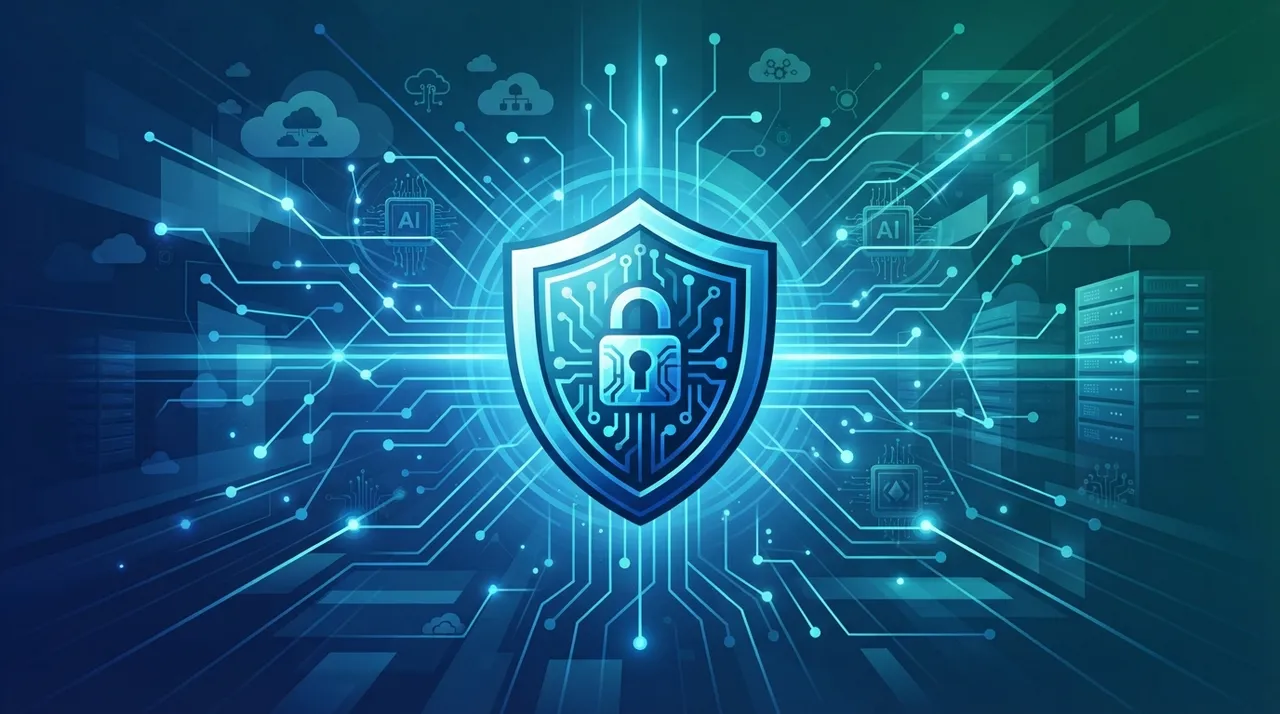
Security Service Edge (SSE) is a cybersecurity concept that combines and converges discrete security services, including secure web gateways (SWG), cloud access security brokers (CASB), and Zero Trust Network Access (ZTNA), into a unified, cloud-delivered platform. Originally defined as the security-specific subset of the broader Secure Access Service Edge (SASE) framework, SSE focuses exclusively on delivering security services from a purpose-built cloud platform. This shift moves security enforcement to the cloud edge, allowing organizations to centralize security management, protect distributed workforces, and scale operations efficiently.
It is estimated that by 2026, 85% of organizations seeking to secure their web, SaaS, and private applications will obtain security capabilities from an SSE offering. The global SSE market size was valued at USD 9.2 billion in 2026 and is projected to grow to USD 36.9 billion by 2033, registering a Compound Annual Growth Rate (CAGR) of 22.0% from 2026 to 2033. Key components of SSE include ZTNA, SWG, CASB, and Data Loss Prevention (DLP). These components work together to provide strong, flexible protection that supports today's distributed, cloud-based workplaces.
Why It Matters
SSE is critical in 2026 due to increasing security challenges driven by hybrid work, growing cloud adoption, and AI-powered attacks. The traditional perimeter-based security model is no longer effective with the collapse of traditional network perimeters and the distribution of data and applications across multi-cloud environments and remote users.
SSE enhances the overall security posture of organizations by ensuring fine-grained access control, real-time monitoring, and deep packet inspection to protect against malware, phishing, and data exfiltration. Because policies are enforced in the cloud, these protections remain consistent across all users, regardless of their access location. SSE also improves user experience by allowing seamless, secure access to applications from any location and minimizing latency.
Furthermore, SSE supports compliance requirements by providing centralized visibility, enforcing data loss prevention policies, and restricting access based on identity and context. This ensures that sensitive information is not accessed by unauthorized users or transferred to unapproved cloud applications. SSE also helps address AI governance and keeps organizations compliant by consistently enforcing data and access policies across all users, locations, and services.
How to Practically Benefit
To benefit from Security Service Edge (SSE), readers can follow these steps:
- Assess Current Needs: Start by evaluating your current security infrastructure and identifying gaps, especially in the context of remote work and multi-cloud environments. Are you struggling with consistent security policy enforcement for distributed users? Do you face challenges managing access to cloud applications?
- Research SSE Solutions: Look for SSE providers who offer an integrated suite of Secure Web Gateway (SWG), Cloud Access Security Broker (CASB), Zero Trust Network Access (ZTNA), and Data Loss Prevention (DLP). Examples of companies offering SSE solutions include Zscaler, Palo Alto Networks Prisma Access, Cisco Umbrella, Netskope, Lookout SSE, Menlo Security, Barracuda CloudGen, and Forcepoint ONE.
- Plan for Implementation: Implementing SSE requires careful planning, including defining new security policies and integrating them with existing systems. Deployment often occurs in phases, starting with the most critical components for your organization.
- Training and Awareness: Ensure that both security teams and users are trained on how SSE works and its importance. Understanding Zero Trust principles and how they affect resource access is crucial for successful implementation.
- Continuous Monitoring and Improvement: After implementation, continuously monitor SSE performance and analyze logs and alerts. Adjust security policies as needed to optimize protection and user experience.
Adopting SSE is no longer an option; it has become a strategic necessity for organizations seeking to secure their data and applications in the complex digital landscape of 2026 and beyond.





Comments 0
No comments yet — be the first to share your thoughts.
Share your thoughts
To comment, sign in first — we email you a one-time code (no password). This keeps the discussion clean.
Sign in to comment →