
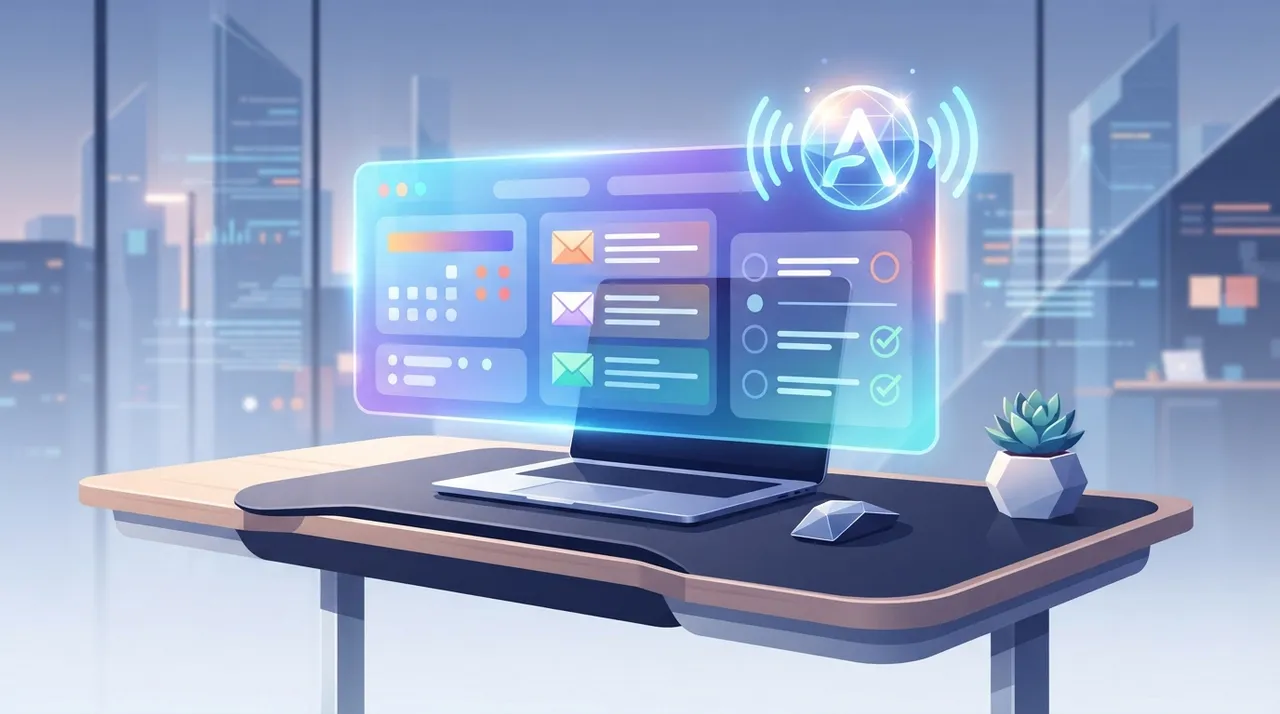
With the accelerating pace of digital life and increasing tasks, the quest for ways to streamline daily activities has become an urgent necessity. In 2026, AI-powered personal digital assistants have emerged as a revolutionary solution to this challenge, offering immense capabilities in task automation and the organization of digital and personal lives.
What's New
Personal digital assistants in 2026 are not just tools for scheduling appointments or playing music. These technologies have evolved to understand the complex context of user requirements and perform multiple tasks beyond simple voice interactions. For example, they can now proactively manage email, filter unwanted messages, and draft replies based on user priorities and preferences. They are also capable of organizing your entire agenda, not just by adding appointments, but by determining the best times for meetings based on colleagues' activities and time zones, and even reserving meeting rooms automatically.
One of the prominent developments is the ability of these assistants to continuously learn from user interactions and behaviors, making them more efficient and accurate over time. For instance, if you consistently order the same type of coffee on specific days, the digital assistant might suggest ordering it for you before you even think about it. Additionally, digital assistants now integrate generative AI technologies to create short text content, such as drafting routine emails, summarizing long documents, or even suggesting project ideas. Some of these tools also offer multi-modal user interfaces, combining voice commands, text, and gestures, making interaction with them more fluid and natural.
Why It Matters
The proliferation of AI-powered personal digital assistants holds significant importance on multiple levels. On an individual level, these tools significantly boost personal productivity by reducing the time spent on routine and time-consuming tasks, allowing users to focus on more critical and creative endeavors. Imagine waking up to find your schedule organized, your email categorized, and even your daily to-do list suggested based on your priorities. This saves considerable mental effort and reduces daily stress.
In business, companies can leverage these tools to enhance team efficiency. By automating scheduling, project management, and even some aspects of initial customer service, employees can allocate their time to tasks requiring critical thinking and human decision-making. The ability to analyze data and provide quick insights can also help in making better, more informed decisions. These technologies contribute to creating more flexible and productive work environments, supporting innovation and growth. This trend is expected to continue expanding with the increasing complexity and integration of AI systems.
Ultimately, the AI personal digital assistant represents more than just a tool; it is a digital partner redefining how we interact with technology, opening new horizons for efficiency and productivity in our fast-paced world.



Comments 0
No comments yet — be the first to share your thoughts.
Share your thoughts
To comment, sign in first — we email you a one-time code (no password). This keeps the discussion clean.
Sign in to comment →