
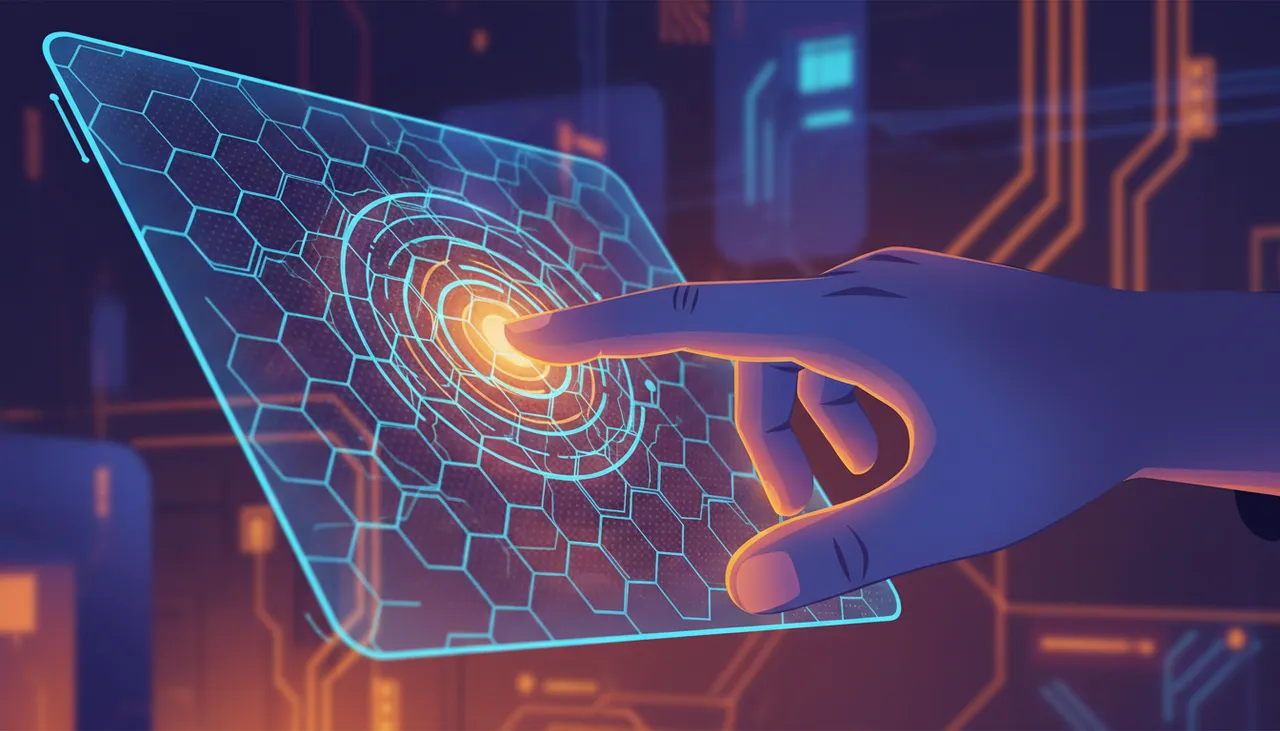
Touch has always been a fundamental part of our experience with technology. From early mechanical interfaces to the mainstream capacitive touchscreens, haptic feedback shaped trust, usability, and perceived quality. Today, in 2026, this technology is making a strong comeback, with designers and engineers prioritizing touch as a critical element of user experience, integrating modern electronics with intentional physical response. This shift influences products across various industries, including medical devices, automotive systems, consumer electronics, and immersive environments.
What's New
Haptic technologies have seen significant advancements in 2026, moving beyond traditional vibrations to offer more complex and realistic sensory experiences. Key developments include:
- AI-Enhanced Haptic Feedback in Prosthetics: AI algorithms help prosthetic devices interpret touch more naturally, allowing users to perform precise tasks with confidence without relying on visual cues. For example, engineers at the University of Utah are equipping robotic hands with sensors that work alongside AI algorithms to dynamically adjust tactile feedback.
- Tactile Simulation for Surgical Training: Haptic simulation is redefining surgical training, with haptic-enabled simulators recreating the feel of tissue resistance and tool interaction, allowing for repeated practice without risk to patients.
- Touchscreens That Feel Real: Touchscreens are moving beyond smooth glass and basic vibrations. Advanced haptic systems now simulate texture and physical cues through electrostatic modulation and micro-actuation delivered directly to the fingertip. Engineers at Northwestern University, for instance, have developed the VoxeLite fingertip device to recreate detailed tactile sensations as users interact with flat surfaces.
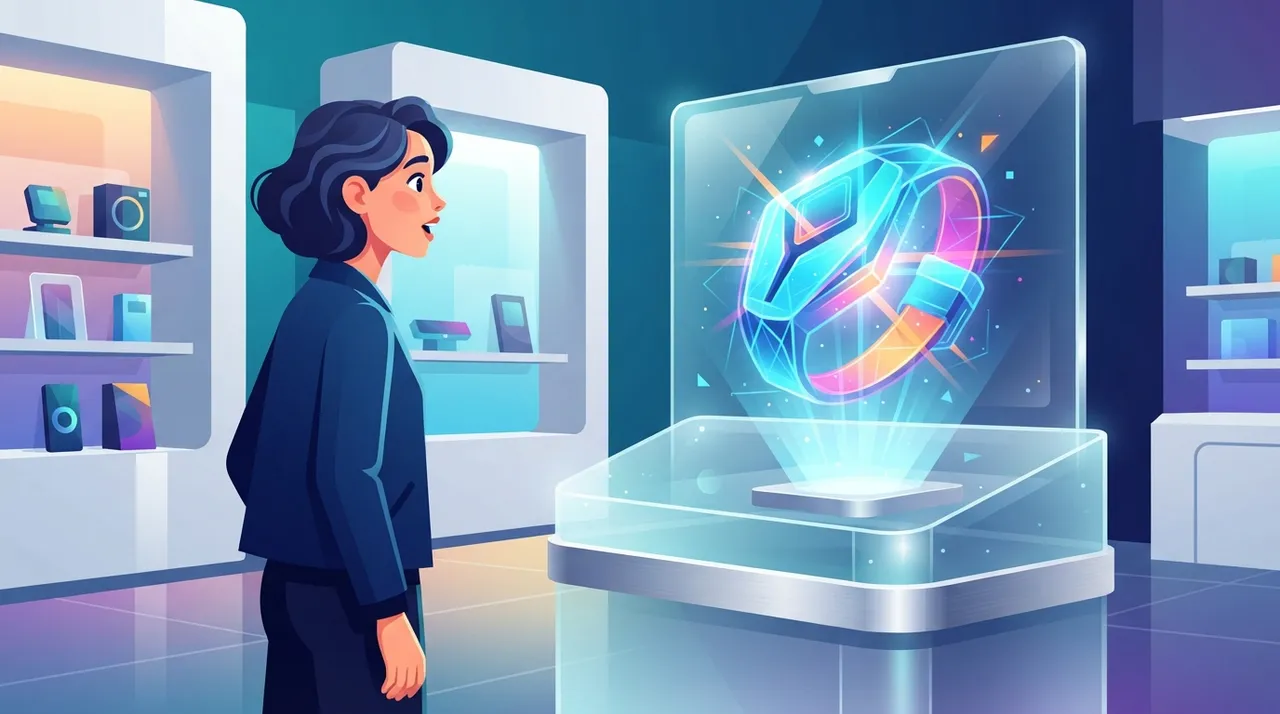
- Tactile Personalization in Consumer Devices: Research indicates that configurable tactile responses are becoming more common in consumer electronics and wearable devices, enhancing how users experience digital interactions.
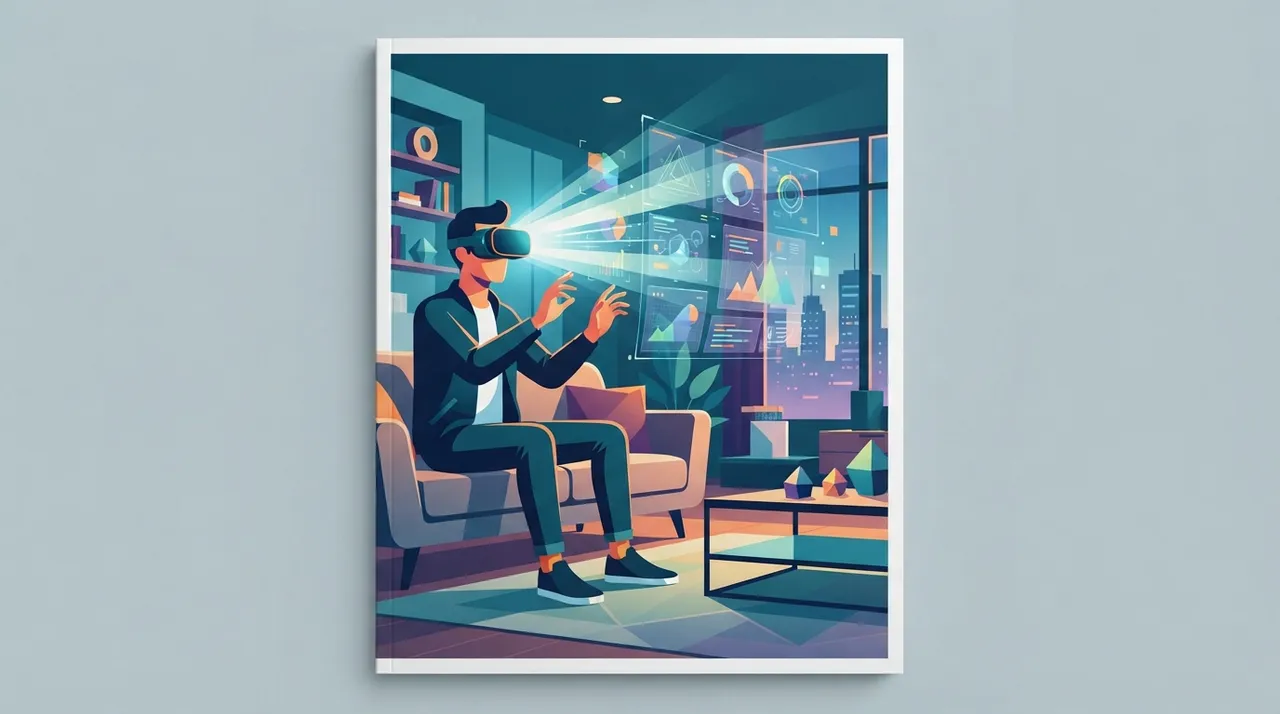
- Immersive AR and VR: Haptic technologies play a crucial role in making augmented and virtual reality environments feel more believable and practical. Haptic feedback enhances engagement, embodiment, and perceived realism in gaming and design applications.
- Brain-Computer Interfaces: Brain-Computer Interfaces (BCIs) are being developed to restore lost senses, such as touch, by implanting microelectrodes directly into the brain.
Why It Matters
This evolution in haptic technologies is crucial for several reasons. It not only enhances user experience but also opens new avenues in vital fields. The global haptic technology market is projected to grow from $7.2 billion in 2026 to $24.75 billion by 2035, at a compound annual growth rate (CAGR) of 14.7%. This growth is largely driven by the increasing integration of tactile feedback systems in smartphones and wearables, as well as in gaming and AR/VR applications.
Haptic technologies contribute to improving accessibility for individuals with disabilities by translating visual information into touch, enabling screen navigation through tactile cues. Haptics also holds promise in healthcare, where it can be used in rehabilitation to make exercises engaging, in tele-surgery to assess the hardness and temperature of virtual organs, and in pain management to reduce reliance on painkillers.
In the automotive industry, haptics is becoming a key safety technology, with steering wheel vibration alerts, tactile lane departure warnings, and virtual knobs on touchscreens to reduce driver distraction. Companies like Apple and Google are integrating haptic feedback into hundreds of millions of their devices and applications, underscoring its growing importance.
Touch has become a core component in how users interact with gaming devices, extended reality (XR) systems, automotive interfaces, and wearable products. There is also a growing trend to view haptic technology as a core interaction capability rather than an optional add-on.
How to Practically Benefit (Tools/Steps):
- Stay Updated on Latest Devices: When purchasing smartphones, tablets, or smartwatches, look for advanced haptic features that go beyond basic vibrations. Many leading companies like Samsung and Immersion Corporation offer sophisticated haptic technologies.
- Explore VR/AR Applications: If you're interested in gaming or design, seek out systems that integrate haptic feedback to enhance immersion and realism.
- Leverage Haptics in Your Work: Engineers and designers can integrate haptic solutions into their products to deliver superior user experiences, especially in fields requiring high precision and sensory interaction, such as industrial tools and control systems.
- Invest in R&D: For businesses looking to stay at the forefront of innovation, investing in research and development in haptic technologies is crucial.
- Develop Sensory User Interfaces: Developers and UX/UI engineers can focus on designing interfaces that not only rely on sight and sound but also provide rich and expressive haptic cues to enhance interaction.
The evolution in haptic technologies is not just a minor improvement; it's a fundamental shift that is redefining our relationship with technology. As these innovations continue, we will witness a future where the digital world becomes increasingly tangible, enhancing our experiences and enriching our interactions with devices in ways we once thought unimaginable.



Comments 0
No comments yet — be the first to share your thoughts.
Share your thoughts
To comment, sign in first — we email you a one-time code (no password). This keeps the discussion clean.
Sign in to comment →