
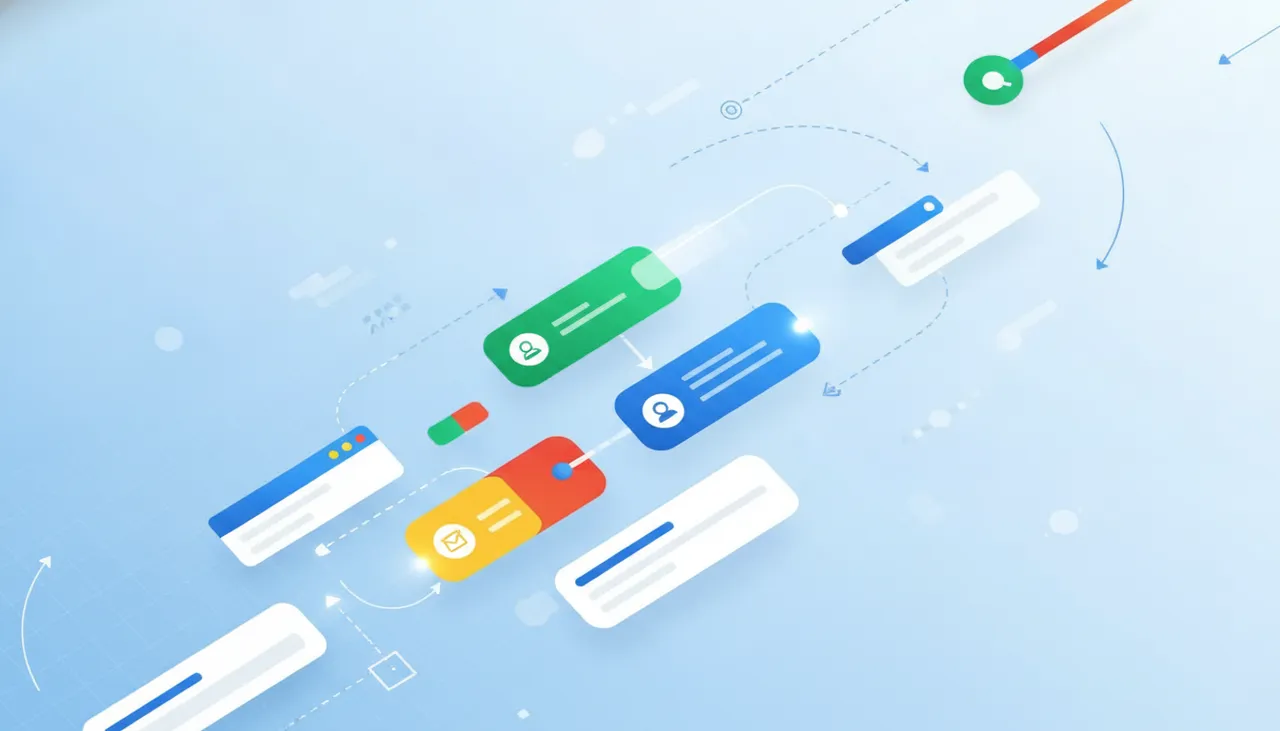
In a world where demand for digital solutions is accelerating and specialized programming resources are diminishing, the trend of No-Code and Low-Code development emerges as a driving force to redefine the concept of application building. Programming is no longer exclusive to developers; it has become a skill that can be acquired and simplified to include wider segments of innovators and entrepreneurs, opening unprecedented avenues for productivity and innovation.
What's New
No-Code refers to platforms that enable users to build digital applications and services entirely through user-friendly graphical interfaces, relying on drag-and-drop functionalities and pre-built templates, without writing a single line of code. Low-Code, on the other hand, provides a development environment that allows for rapid construction of complex applications using pre-built components and the ability to write custom code when needed, balancing speed with flexibility.
What's new in this trend is the maturity of these platforms and the unprecedented expansion of their capabilities. These tools are no longer confined to simple or internal applications but are now capable of building complex enterprise applications, CRM systems, customer portals, and even integrated mobile applications. Companies like Microsoft (with Power Apps), Google (with AppSheet), Salesforce (with Lightning Platform), and Zapier (for automation) are leading examples in this field, offering powerful solutions that enable non-programmers to bring their digital ideas to life.
Why it Matters
The current spread of these tools is not a coincidence but a response to several pivotal factors:
- Accelerated Innovation: No-Code/Low-Code allows businesses and individuals to validate ideas and launch new products and services in a fraction of the time and cost compared to traditional development methods. This means faster innovation cycles and greater adaptability to changing market demands.
- Bridging the Tech Talent Gap: There is a global shortage of skilled developers. These tools empower 'Citizen Developers' — business experts with deep understanding of needs but without a programming background — to build solutions themselves, alleviating pressure on internal development teams and freeing up programmers to focus on more complex projects.
- Cost Reduction: Less need for large development teams and reduced project timelines directly translate into significant savings in operational and development costs.
- Enhanced Flexibility and Decentralization: Different departments within a company can develop their own tools tailored to their unique needs, increasing efficiency and reducing reliance on a central IT department for every minor request.
How Readers Can Practically Benefit (Tools/Steps):
To benefit from this trend, readers can follow these steps:
- Identify a Problem or Need: Start by identifying a repetitive manual process, a lack of a specific tool, or an application idea that could improve your work or daily life.
- Research the Right Platform: There are many No-Code/Low-Code platforms, each with its strengths. Some examples include:
- For web applications and databases: Airtable (flexible database), Glide (apps from spreadsheets), Webflow (powerful websites without code).
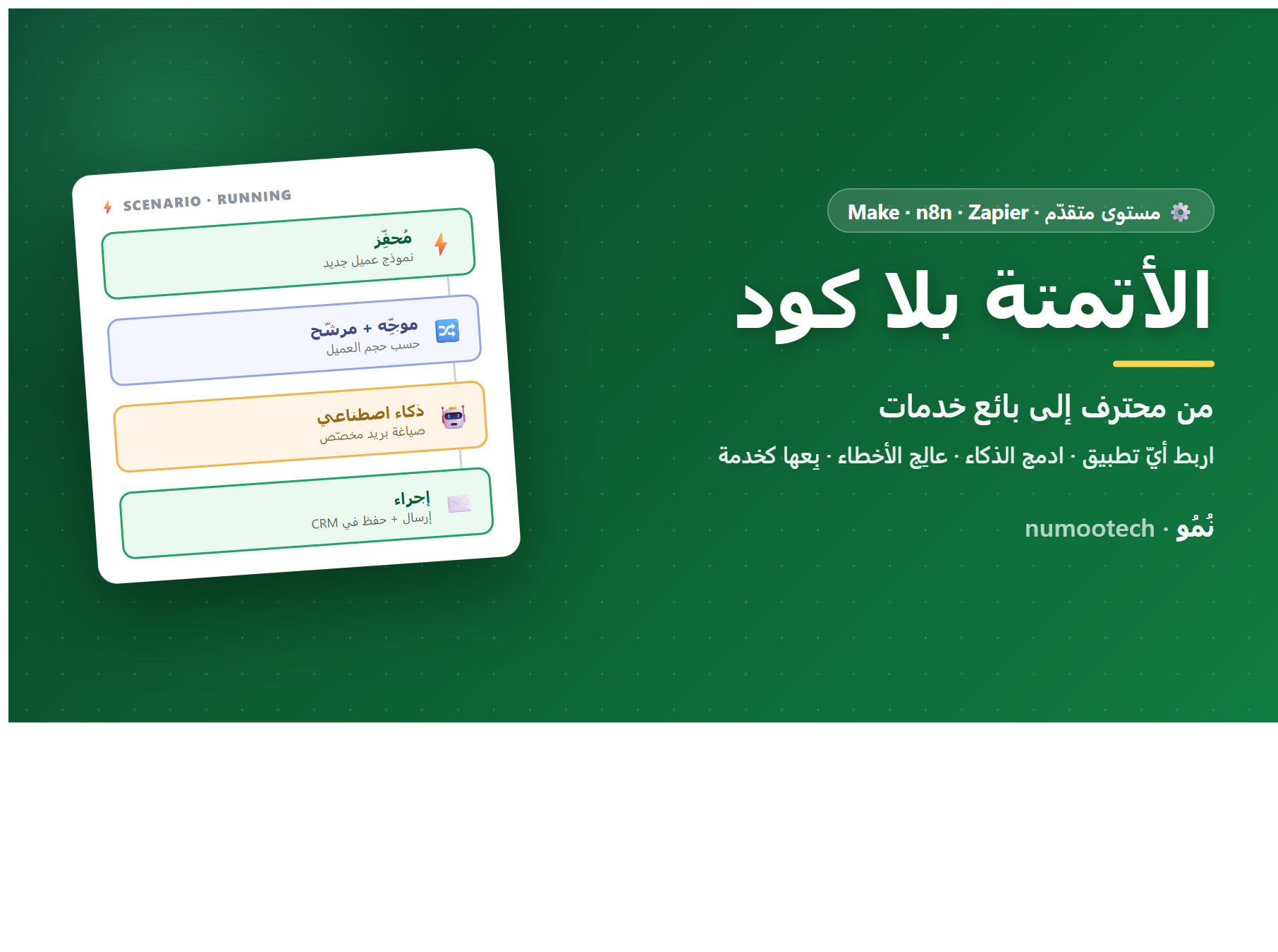
- For workflow automation: Zapier, Make (formerly Integromat).
- For mobile applications: Adalo, Bubble (for web and responsive apps).
- For enterprise applications: Microsoft Power Apps, Google AppSheet.
- Learn and Experiment: Most of these platforms offer free or trial plans, along with tutorials and strong support communities. Invest time in understanding how they work.
- Start with Small Projects: Don't try to build your first big project directly. Begin by developing simple solutions for small problems. For example, a task tracking system, a simple dashboard, or automating certain notification sends.
- Iterate and Improve: Once the first version is built, gather feedback and gradually improve the application. This flexibility is the essence of No-Code/Low-Code.
The future of application development is moving towards empowering more people to innovate. These tools are not a replacement for programmers but a force multiplier that expands their capabilities and enables a new generation of creators. Engage with this world now, and you will discover your ability to turn ideas into tangible digital realities.
Comments 0
No comments yet — be the first to share your thoughts.
Share your thoughts
To comment, sign in first — we email you a one-time code (no password). This keeps the discussion clean.
Sign in to comment →