
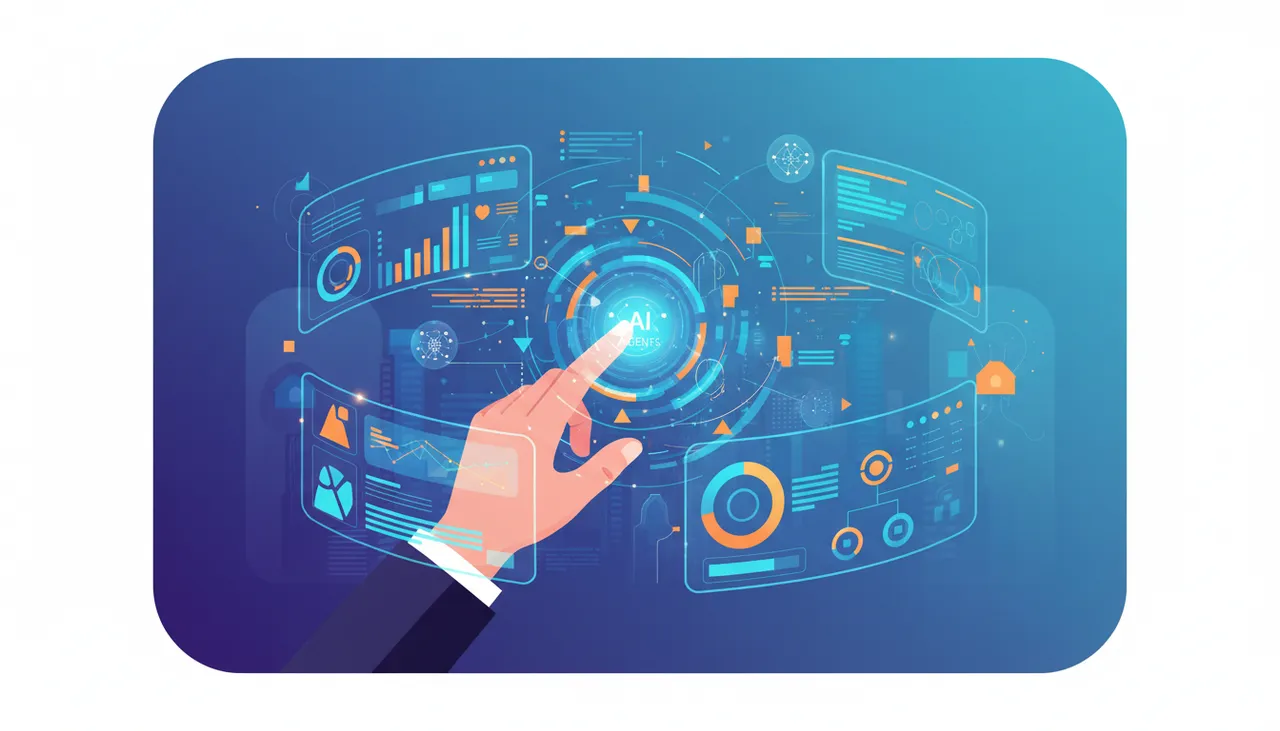
The past few years have witnessed a significant leap in artificial intelligence, but 2026 marks a true turning point with the rise of hyper-personalized AI agents. Smart tools are no longer just assistants answering questions; they are becoming adaptive, learning digital entities that act on your behalf, offering unique experiences tailored to your individual needs.
What's New
Hyper-personalized AI agents are advanced AI systems that use machine learning and real-time data to generate relevant and contextual responses, recommendations, and actions for each individual user. Unlike traditional automation tools that follow rigid rules, these agents can adapt to variations in input data and context, make decisions based on a probabilistic understanding of scenarios, and learn from past interactions to improve their performance.
These agents have moved well beyond the chatbot phase; they now include tools that take real-world actions, remember who you are, and in the best cases, reach out proactively before you even ask. Key features of these tools include:
- Continuous Learning and Persistent Memory: Hyper-personalized agents can learn from user interactions, behaviors, and preferences over time, allowing them to deliver experiences that constantly evolve and improve.
- Proactivity: Instead of merely responding to commands, these agents can take proactive initiatives to assist users, such as offering suggestions based on behavioral patterns or anticipating future needs.
- Omnichannel Integration: These tools work seamlessly across multiple platforms like web, mobile apps, email, and even smart devices, ensuring a consistent and comprehensive experience.
- Action-Oriented Capabilities: AI agents can perform complex tasks such as managing calendars, researching information, or even making purchases on behalf of the user.
Modern intelligent systems demonstrate qualities of true AGI systems such as reasoning, autonomy, and continuous learning.
Why It Matters
Hyper-personalized AI agents are a game-changer because they enhance productivity and efficiency across domains and industries. In a world where 71% of consumers expect personalized content and 67% are frustrated when interactions with businesses are not tailored to their needs, hyper-personalization becomes a necessity, not just a luxury.
These tools contribute to:
- Enhanced User Experience: Users feel seen and valued, which boosts satisfaction and loyalty. For instance, a banking chatbot that knows a user often asks about savings accounts can proactively suggest a new interest-earning account.
- Increased Efficiency and Productivity: These tools automate repetitive and routine tasks, freeing humans to focus on more creative and strategic decision-making work.
- Higher Conversion Rates and Sales: By delivering highly relevant recommendations, products, and content, users are more likely to make purchases.
- Stronger Relationships: Hyper-personalization builds long-term trust and loyalty, as customers feel like individual partners rather than just numbers.
- Flexibility and Adaptability: Hyper-personalized applications adapt to the unique requirements of specific departments, roles, or even individuals within organizations, rather than forcing business processes to conform to software limitations.
Real-World Examples:
- Amazon: Uses AI-driven recommendation engines to analyze user browsing and purchase history, providing personalized product suggestions.
- Netflix and Spotify: These platforms offer personalized content suggestions and playlists based on users' viewing and listening habits.
- Starbucks: Their mobile app uses AI to personalize the user experience by analyzing customer data and offering tailored product recommendations and promotions.
- ChatGPT: Includes an agent mode for browser automation, Codex for code execution, Deep Research for multi-step web research, image generation, voice mode, and a massive ecosystem of custom GPTs.
- Google Gemini: Deeply integrates with Google Workspace apps like Gmail, Google Drive, and Docs, and provides real-time information via Google Search and multimodal capabilities.
How Readers Can Practically Benefit (Tools/Steps):
To leverage the power of hyper-personalized AI agents, you can start by focusing on tools that offer these capabilities:
- Integrated Personal Assistants: Look for AI-powered personal assistants that integrate with your work environment. For example, if you use Google Workspace, Google Gemini is an excellent choice. If you rely on Microsoft 365, Microsoft Copilot is your assistant. These tools can manage calendars, draft emails, organize documents, and perform other time-saving tasks.
- Personalization Tools for SMBs: Tools like Shopify Magic for e-commerce stores help personalize email content and product recommendations, and Intercom with its AI Fin agent for personalized customer service.
- Marketing and Experience Automation Tools: For marketers and businesses, platforms like Adobe Target, Dynamic Yield, and Braze offer hyper-personalization capabilities across websites, mobile apps, and email, using machine learning to adapt content and offers in real time.
- Deep Research Agents: If your work requires extensive research and analysis, deep research agents that can autonomously collect data, evaluate sources, and cross-verify facts can be invaluable. Tools like Perplexity Computer provide an AI-powered research engine with a computer use mode that can take actions on your machine.
- Building Custom GPTs: Platforms like ChatGPT allow you to create specialized assistants with specific instructions and capabilities tailored to your needs.
Practical Steps:
- Identify Needs: Before choosing any tool, clearly define the tasks you want to automate or personalize. Is it time management, customer service, marketing, or research?
- Research and Experiment: Explore available tools and try free versions if offered. Compare features, integrations, and pricing.
- Start Small: Begin by implementing AI agents for specific, measurable tasks, then gradually expand usage while evaluating results.
- Prioritize Data Protection: Since these tools rely on data, ensure you understand how your data is being used and protected.
- Balance Personalization and Privacy: It is crucial to strike a balance between delivering highly personalized experiences and respecting user privacy.
As these technologies continue to evolve, hyper-personalized AI agents will become an indispensable part of our digital and professional lives, opening new horizons for productivity, creativity, and human-technology interaction.





Comments 0
No comments yet — be the first to share your thoughts.
Share your thoughts
To comment, sign in first — we email you a one-time code (no password). This keeps the discussion clean.
Sign in to comment →