

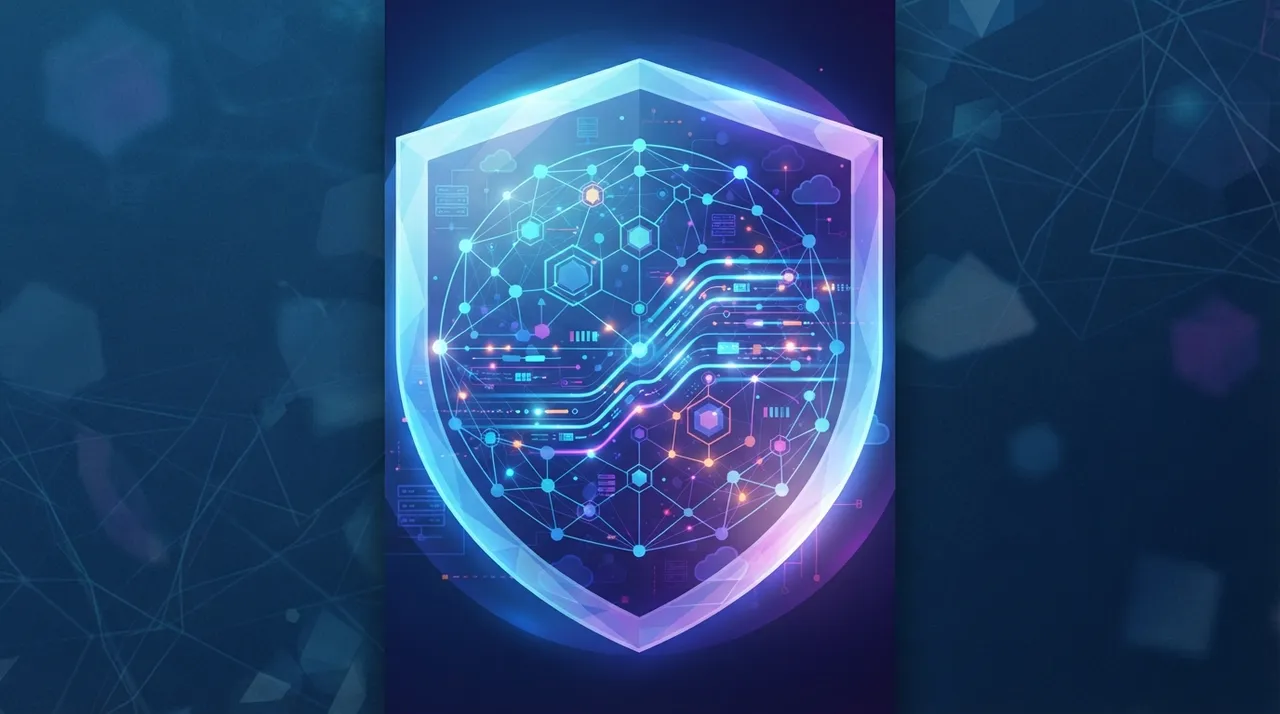
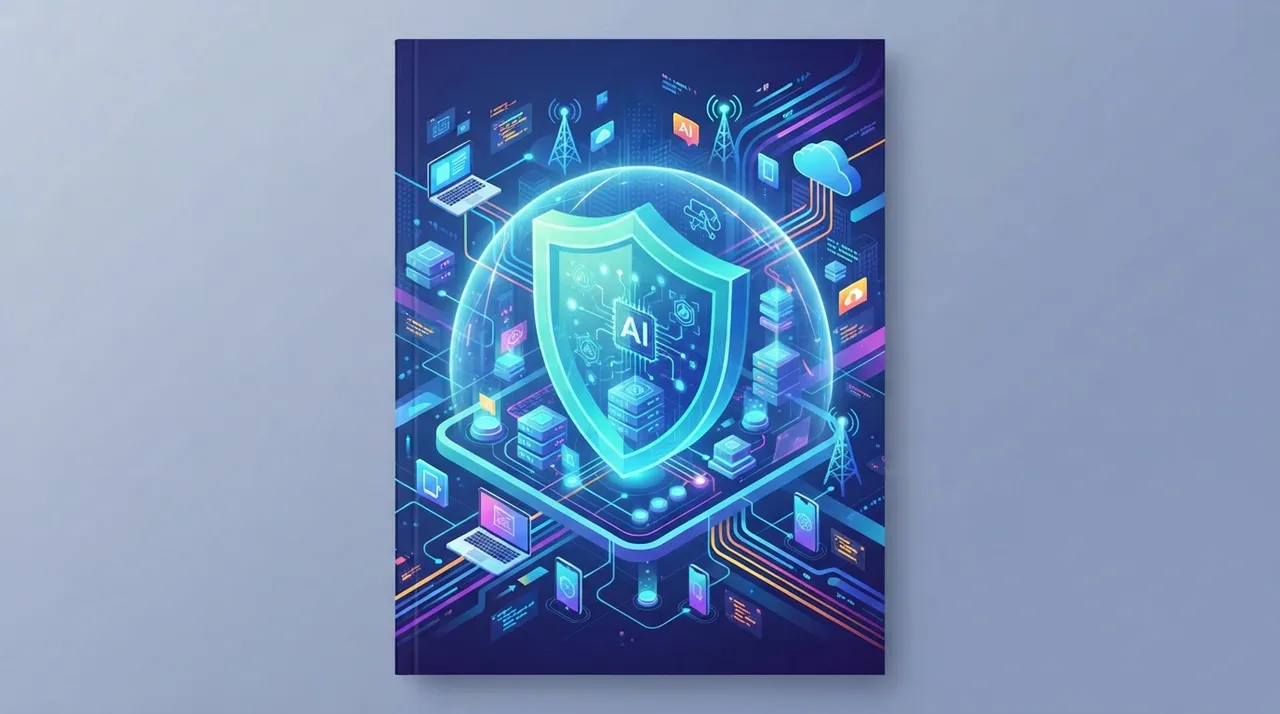
The cybersecurity landscape has undergone a radical transformation in recent years. While companies once relied on strong perimeter defenses to protect their networks, this model has become entirely insufficient in a world where boundaries are dissolving. In 2026, with the increasing sophistication of AI-powered attacks, the rise of hybrid work, and companies' growing reliance on cloud services, the concept of a 'trusted internal network' no longer exists. This is where Zero Trust Architecture (ZTA) emerges as an absolute and necessary security imperative.
What's New
Zero Trust Architecture (ZTA) is a modern cybersecurity framework built on a foundational principle: 'never trust, always verify.' Unlike traditional security models that assume everything inside the perimeter is safe, ZTA treats every user, device, and application as untrusted by default—whether inside or outside the network [2]. This approach continuously authenticates and authorizes every access request, minimizing the attack surface, preventing lateral movement, and protecting critical assets in a highly distributed digital environment [2].
ZTA is built on several core pillars:
- Continuous Authentication: One-time logins are no longer sufficient. In 2026, identity is continuously verified through behavioral biometrics, device health checks, and contextual signals like geolocation and time of access [12, 15].
- Micro-segmentation: Networks are divided into granular zones. Even if a breach occurs, the attacker is confined to a tiny segment, preventing lateral movement across the infrastructure [12, 7]. Micro-segmentation is a critical component of ZTA, operationalizing the 'never trust, always verify' principle at the network layer, ensuring that access between systems is intentional, identity-governed, and enforced—not assumed [5].
- Continuous Verification: Instead of verifying authentication once at the start of a session, Zero Trust requires continuous verification of identity throughout a user's entire engagement with a network, service, or device [15, 23]. This mitigates the risk of attackers using stolen credentials [23].
- Identity and Access Management (IAM): IAM is the cornerstone of any Zero Trust architecture, providing a comprehensive framework for controlling and managing user access to network resources [9, 27].
- Least Privilege Access: Users and devices are granted minimal access to resources, only what they need to perform their functions, reducing the potential damage from a compromised account [3, 9].
Why It Matters
The Zero Trust model has become an urgent necessity in 2026 for several fundamental reasons:
- Dissolving Traditional Perimeter: With the prevalence of hybrid work, cloud adoption, and increased use of personal devices, the concept of a traditional network perimeter no longer exists [3, 6]. Data is spread across multiple cloud providers, making a single security control for the entire network challenging [6].
- Advanced Threats: Businesses face increasingly sophisticated cyberattacks, including ransomware, phishing, and denial-of-service attacks [28]. Zero Trust helps mitigate these advanced threats by protecting against lateral movement within the network and detecting anomalous activities [17, 43].
- Protection of Sensitive Data: Sectors like healthcare and financial services handle vast amounts of personal and sensitive data [13]. The Zero Trust model provides robust protection for this data through granular access control and continuous monitoring [13, 17].
- Regulatory Compliance: Many security regulations and standards mandate specific measures for businesses to protect against cyber threats [14, 20]. Implementing Zero Trust principles, such as least privilege access and continuous verification, helps companies meet these requirements [30].
- Reduced Breach Costs: The cost of a data breach can be astronomical, with the average cost exceeding $3 million in 2025 [6, 14]. Zero Trust reduces the attack surface and contains breaches, significantly minimizing associated damages and costs [8, 21].
How to Benefit Practically (Tools/Steps):
Implementing Zero Trust Architecture requires a systematic approach, not just installing a single tool [2]. Here are practical steps and tools to help you:
Steps:
- Define the Attack Surface: First and foremost, identify all assets that need protection, including devices, data, and applications, and classify them based on their sensitivity and required access level [32, 39].
- Implement Network Traffic Controls: Understand how data flows within your network and identify dependencies between systems [32].
- Architect a Zero Trust Network: Design a network focused on protecting your specific surfaces, keeping in mind that there is no one-size-fits-all solution [32].
- Create a Zero Trust Policy: Design granular access policies based on the 'who, what, when, where, why, and how' for each access request [32, 38].
- Continuously Monitor Your Network: Use monitoring tools to detect suspicious or anomalous activities in real time and respond quickly [32, 39].
- Micro-segmentation: Divide your network into small, isolated segments to restrict lateral movement by attackers [5, 7].
- Least Privilege Access: Ensure that every user and device has only the necessary access to perform their tasks [3, 39].
- Multi-Factor Authentication (MFA): Enable MFA everywhere, especially for administrative access, to enhance identity verification [9, 18, 34].
- Continuous Verification: Move beyond one-time authentication and implement continuous identity verification throughout the user session [15, 23].
- Address Legacy Systems: Older systems may not be compatible with Zero Trust principles, so assess them and look for solutions to re-engineer or securely isolate them [11, 22].
Tools:
- Identity and Access Management (IAM) Systems: Solutions like Azure Active Directory or Google Cloud Identity, or specialized companies such as Okta, Duo, and Ping Identity, are essential for enforcing access policies and verifying identities [44, 18].
- Micro-segmentation Tools: These tools help divide the network into small parts and enforce granular access policies between them [5, 7].
- Security Information and Event Management (SIEM) Systems: To collect security data from various sources and provide a comprehensive view of threats [30].
- Zero Trust Network Access (ZTNA) Solutions: An alternative to traditional VPNs, connecting users directly to approved applications instead of granting access to the entire network [3, 47].
- Security Posture Assessment Tools: To identify features already available in existing security tools and pinpoint gaps [35].
- Monitoring and Behavioral Analytics Solutions: To detect anomalous patterns in user and device behavior [12, 17].
In 2026, cybersecurity is no longer about keeping attackers out; it's about limiting what they can do once they're in [14]. Zero Trust Architecture provides the resilience to contain breaches, comply with regulations, and build customer trust. The question is no longer, 'Should we adopt Zero Trust?' but 'Can we afford not to?' [14].


Comments 0
No comments yet — be the first to share your thoughts.
Share your thoughts
To comment, sign in first — we email you a one-time code (no password). This keeps the discussion clean.
Sign in to comment →