
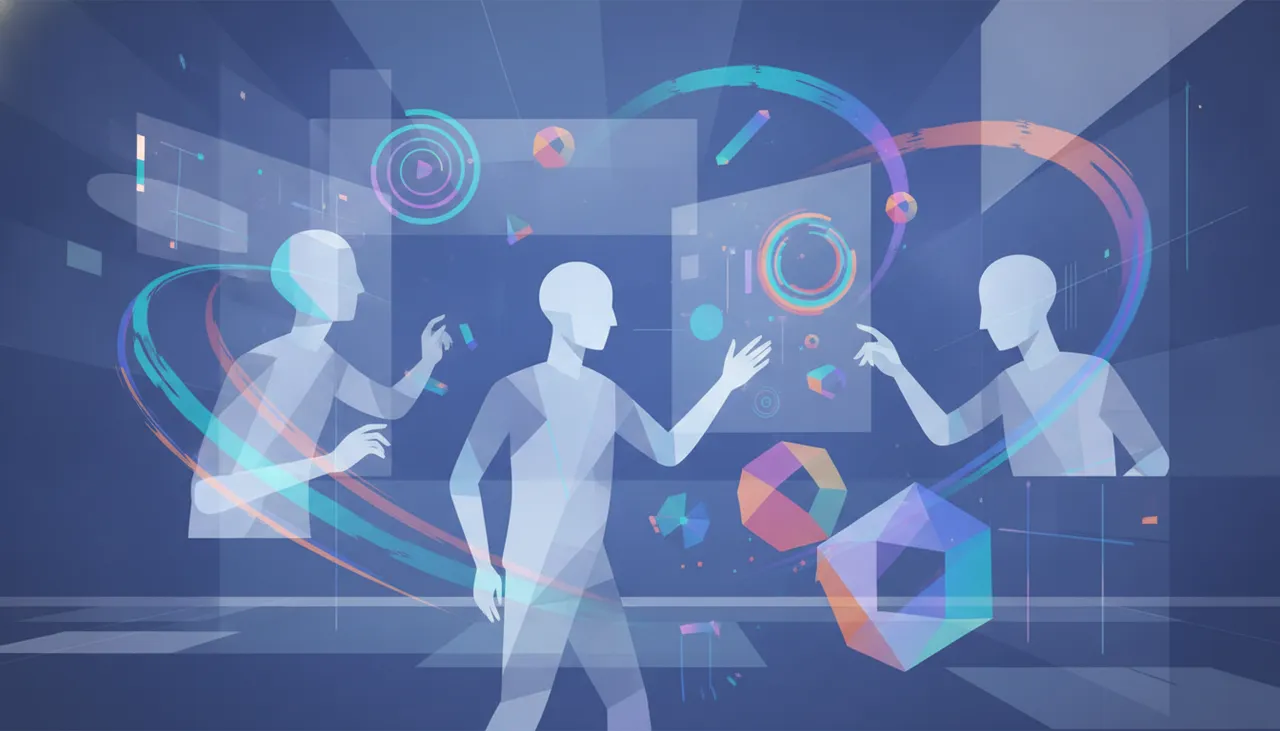
The design industry has been constantly evolving, but the pace we are witnessing today, driven by generative AI, is unprecedented. AI is no longer just an auxiliary tool; it has become a creative partner opening new horizons for designers of all levels. This development is not merely a technological addition but a profound restructuring of how design thinking and execution are approached.
What's New
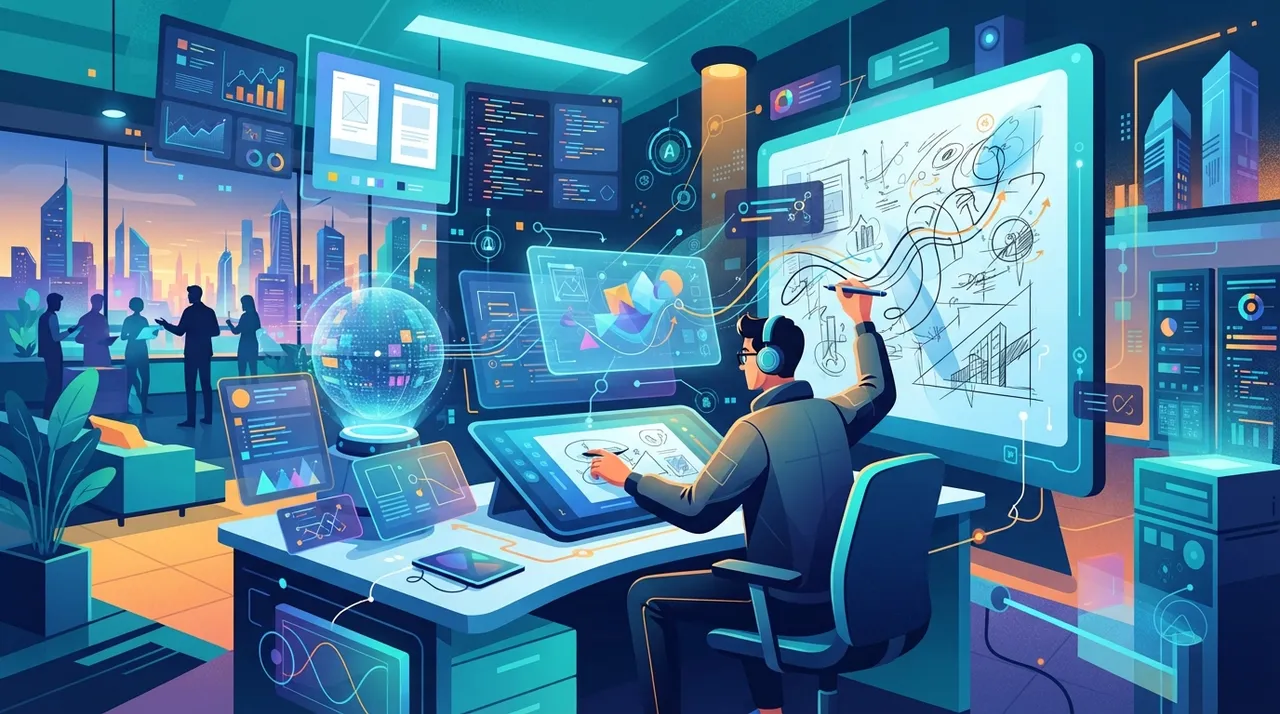
Recent months have seen accelerated integration of generative AI capabilities into a wide range of well-known design tools. For instance, tools like Adobe Firefly, Midjourney, and DALL-E 3 offer the ability to generate images, icons, and complete designs from simple text prompts. This hasn't been limited to visual design; it has extended to UI/UX and web design, where tools like Figma AI plugins and Vercel AI SDK can help designers and developers generate UI components, layouts, and even ready-to-use code based on textual descriptions or initial sketches. We are also witnessing developments in 3D design tools like RunwayML, which allow for the generation of complex models and visual effects with unprecedented efficiency. These tools not only create content from scratch but can also modify, enhance, and adapt existing designs, reducing the time spent on routine and tedious tasks.
Why It Matters
The proliferation of generative AI in design tools represents a critical turning point for several reasons:
- Increased Productivity and Efficiency: Designers can now generate dozens of design options and iterations in minutes, instead of hours or days. This frees them to focus on more complex strategic and creative aspects of the project.
- Lowering Barriers to Creativity: Possessing traditional drawing or manual design skills is no longer a prerequisite for creating compelling visual content. Beginners, entrepreneurs, and even non-designers can generate professional-grade images and marketing materials with significantly less cost and time.
- Expanding Creative Horizons: AI offers ideas and combinations that human designers might not conceive, leading to more innovative and unique designs. It serves as an inexhaustible brainstorming partner.
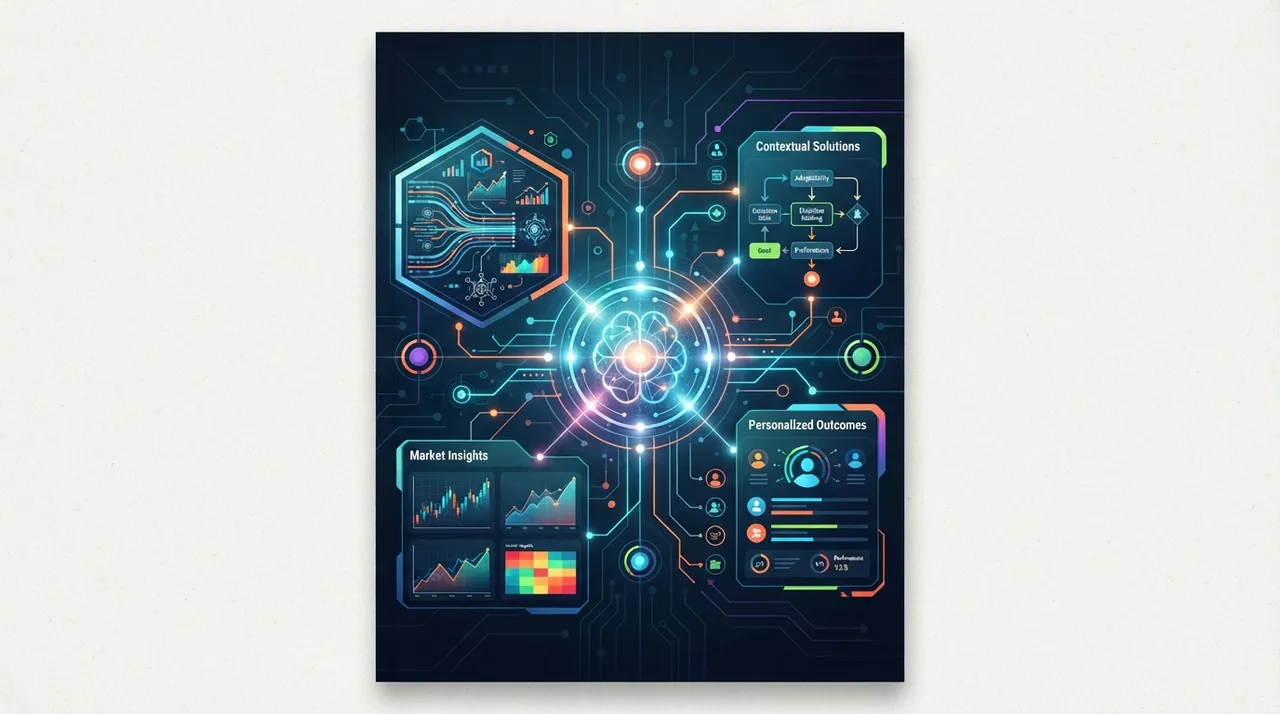
- Mass Customization: Designs can be quickly generated and customized for a specific audience or individual, enhancing user experience and increasing the effectiveness of marketing campaigns.
- Seamless Workflow Integration: Developers of these tools are working to integrate AI capabilities directly and flexibly within designers' familiar work environments, reducing the learning curve and facilitating adoption.
How to Practically Benefit (Tools/Steps):
To make the most of this trend, designers and individuals can follow these steps:
- Start Learning and Experimenting: Dedicate time to explore leading tools like Adobe Firefly, Midjourney, DALL-E 3, and Stability AI. Most offer free or trial plans.
- Master Prompt Engineering: The quality of outputs heavily depends on the precision and clarity of text prompts. Learn how to write descriptive and detailed prompts to achieve desired results. Many online resources and communities (such as Midjourney's Discord communities) share tips and techniques for prompt formulation.
- Integrate into Your Current Workflow: If you are a graphic designer, use AI tools to generate initial drafts, color options, or font styles. If you are a UI designer, try Figma AI components to generate sections of an interface or icons.
- Use it as a Creative Partner, Not a Replacement: Remember that AI is a tool. Use it to accelerate routine processes, explore ideas, and provide new inspiration, but maintain your creative touch and ultimate control over the design.
- Stay Informed: These tools evolve at a rapid pace. Subscribe to tech newsletters, follow specialized blogs, and attend workshops and seminars to stay updated on the latest features and developments.
The integration of generative AI into design tools is not just a passing technological development; it is a fundamental shift that is reshaping the future of the industry. By intelligently embracing these tools, designers and individuals can achieve unprecedented levels of efficiency and creativity, opening new doors for innovation and visual expression.
Comments 0
No comments yet — be the first to share your thoughts.
Share your thoughts
To comment, sign in first — we email you a one-time code (no password). This keeps the discussion clean.
Sign in to comment →