

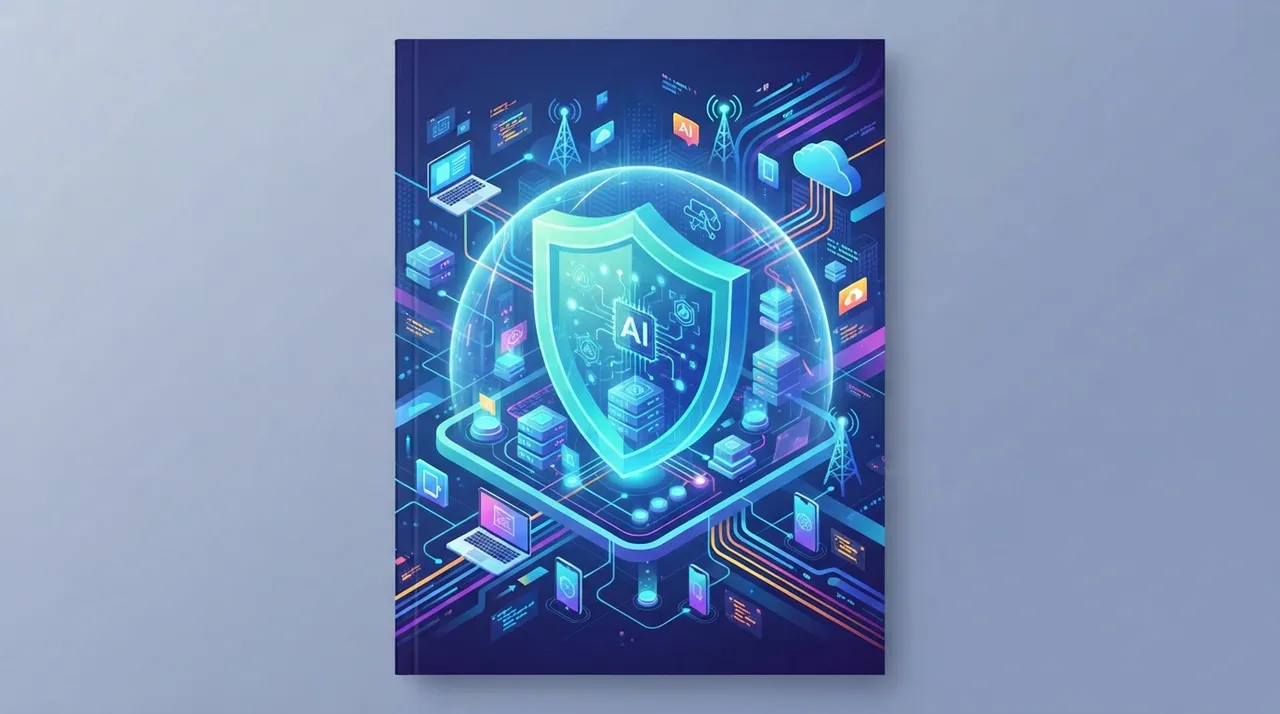
With the increasing complexity of cyber threats and the expansion of work environments to include cloud and diverse devices, the traditional perimeter-based security model is no longer sufficient. Adaptive Zero Trust has become the essential security strategy adopted by organizations to protect their vital assets in 2026.
What's New
Zero Trust is based on the principle of "never trust, always verify," where no user, device, or system is implicitly trusted, even if it is within the traditional network perimeter. However, Adaptive Zero Trust takes this principle a step further by integrating continuous identity and context verification into every access request. Instead of relying solely on user credentials or a fixed Multi-Factor Authentication (MFA) process, Adaptive Authentication continuously evaluates trust based on real-time data.
Modern solutions assess real-time risk signals, such as user identity, device posture (e.g., compliance with security policies and patch updates), geolocation, time of day, and behavioral anomalies. Based on this assessment, verification requirements are adjusted; low-risk attempts may require minimal verification, while high-risk or anomalous activities trigger additional verification or even block access entirely.
Microsegmentation is another critical component of Adaptive Zero Trust, segmenting the network into small, isolated segments, which limits lateral movement of attackers within the network in the event of a breach. This approach significantly reduces the "blast radius" of any attack, meaning the extent of damage a breach can cause.
Why It Matters
Statistics show that 61% of organizations worldwide have launched a Zero Trust initiative, up from 24% in 2021. The global Zero Trust security market is projected to reach $78.7 billion by 2029. This proliferation is not just a trend, but an urgent necessity. In 2025, 22% of breaches began with stolen or abused credentials, making it the largest initial access vector. More than 99% of identity-based attacks can be blocked by phishing-resistant multi-factor authentication, a core Zero Trust control.
Organizations that have implemented Zero Trust architecture show an average saving of $1.76 million per breach compared to those that have not. This is due to the ability of Adaptive Zero Trust to reduce the attack surface, prevent unauthorized access, and rapidly contain threats. It also reduces unnecessary friction for legitimate users by streamlining authentication requirements for low-risk attempts.
For the reader, understanding and implementing Adaptive Zero Trust represents a crucial step towards protecting their digital data and assets, whether as an individual working remotely or part of a large enterprise. It provides a more flexible and robust security model to counter evolving threats in the digital age.
How to Benefit Practically (Tools/Steps):
- Assess Current Environment and Map: Before starting, inventory all devices, applications, data, and users in your network. Identify how data flows between these components to define critical assets and potential vulnerabilities.
- Define Zero Trust Policies: Create clear and enforceable policies based on Zero Trust principles, such as Identity-Based Access and Least Privilege Access. Permissions should only be granted for access necessary to perform the specific role.
- Implement Adaptive Multi-Factor Authentication (Adaptive MFA): Use authentication solutions that assess context in real-time (e.g., location, device, behavior) to adjust the required level of verification. Examples of solutions include Microsoft Entra ID, Google BeyondCorp, Okta, and Duo.
- Implement Microsegmentation: Divide your network into small, isolated segments to restrict lateral movement of attackers. This helps contain any breach within a small part of the network.
- Continuous Monitoring and Verification: Zero Trust is not limited to verification at login only. User and device behavior should be continuously monitored to verify trust throughout the session. Some solutions use behavioral analytics to detect anomalies in real-time.
- Protect Unmanaged Devices (BYOD): With the increasing use of personal devices (BYOD) for work, it is essential to implement Zero Trust solutions that allow secure access from these devices without requiring full management. Companies like Menlo Security, Island, and Palo Alto Networks (Prisma Access Browser) offer solutions in this area.
Adaptive Zero Trust is a strategic investment in the future of cybersecurity, not just a technical solution. Its implementation requires a comprehensive approach that combines technology, policies, and organizational culture change to ensure maximum protection.





Comments 0
No comments yet — be the first to share your thoughts.
Share your thoughts
To comment, sign in first — we email you a one-time code (no password). This keeps the discussion clean.
Sign in to comment →