Executive Summary
The mini-supermarket project in the retail and e-commerce sector in Saudi Arabia targets a promising market opportunity. With an investment of ٧٥٠٬٠٠٠ SAR, it achieves a net present value of ٦٩٬٦٧٣ SAR, an internal rate of return of ١٦٪, and a payback period of 3.4 years.
| Indicator | Value |
|---|---|
| Initial Investment | ٧٥٠٬٠٠٠ SAR |
| First-Year Revenue | ١٬٣٥٠٬٠٠٠ SAR |
| Annual Growth (CAGR) | ٧٪ |
| Net Margin (Year 1) | ٤٪ |
| Return on Investment (Avg.) | ١١٪ annually |
| Net Present Value (NPV) | ٦٩٬٦٧٣ SAR |
| Internal Rate of Return (IRR) | ١٦٪ |
| Profitability Index (PI) | ١ |
| Payback Period | ٣ years |
| Break-Even Year | Year ٤ |
| Expected NPV (Probability-Weighted) | ٧٥٬٠٤٧ SAR |
Assumptions and Basis
The figures in this study are based on project data, the nature of the retail and e-commerce sector in Saudi Arabia, and local market indicators, according to the following assumptions:
| Assumption | Value |
|---|---|
| Initial Capital | ٧٥٠٬٠٠٠ SAR |
| First-Year Revenue | ١٬٣٥٠٬٠٠٠ SAR |
| Annual Growth | ٧٪ |
| Cost of Goods Sold (COGS) | ٧٥٪ of Revenue |
| Operating Expenses | ١٠٪ of Revenue |
| Tax/Zakat | ٣٪ |
| Discount Rate (WACC) | ١٢٪ |
| Study Horizon | ٥ years |
Basis of Assumptions: The proposed capital for a medium-sized supermarket in Saudi Arabia. Revenues and cost percentages are estimated based on industry averages and expected profits, and Zakat is the tax applied to Saudi companies.
Project Description and Opportunity
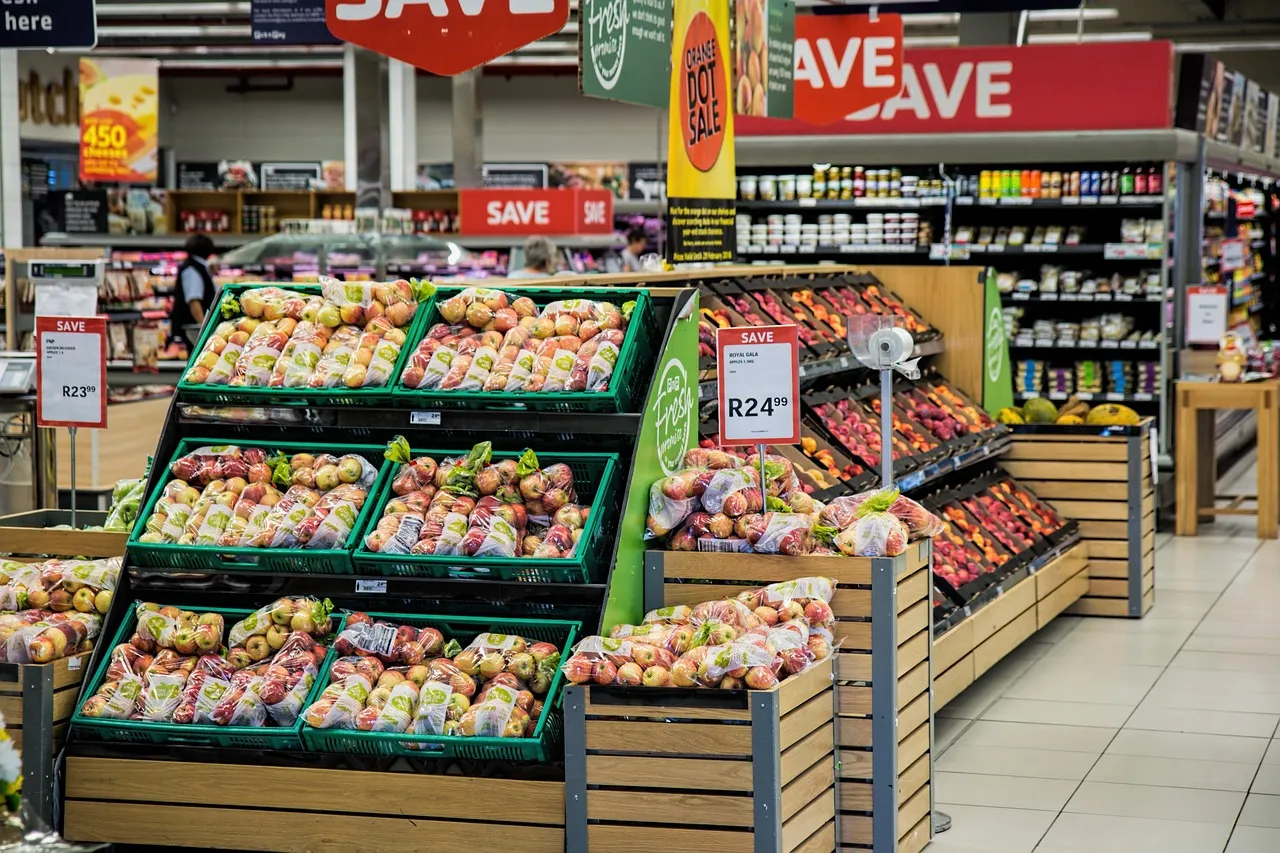
The mini-supermarket project in Saudi Arabia aims to meet the needs of residential neighborhoods by providing a wide range of daily food and consumer products. The business model relies on traditional retail sales combined with e-commerce to serve customers via delivery, leveraging the growing digital shopping trend in the Kingdom. The project focuses on offering a convenient shopping experience and high quality at competitive prices, with an emphasis on local and fresh products.
Market and Demand Study
The retail market in Saudi Arabia is experiencing strong growth, with consumer spending reaching 425 billion SAR in Q1 2026, a 6.8% year-on-year increase. This growth is expected to continue, driven by an increasing population, rising disposable income, and urban expansion. E-commerce is also witnessing significant growth, with online spending increasing by 42% year-on-year in Q1 2026, opening new horizons for the project. Demand for food and consumer products is continuous and stable, making this sector one of the most stable.
Market Sizing (TAM / SAM / SOM)
Market sizing was based on the total size of the food and grocery market in Saudi Arabia, which exceeds 200 billion SAR annually. The serviceable available market (SAM) was estimated as a percentage of the total market that a mini-supermarket project can realistically target, considering the population density in the target area and consumer purchasing power. The serviceable obtainable market (SOM) was determined as an initial market share achievable in the first year of operation, with expectations of continuous growth based on service quality and effective marketing.
| Level | Annual Size | Description |
|---|---|---|
| TAM — Total Addressable Market | 200000.0 million SAR | Total serviceable demand |
| SAM — Serviceable Available Market | 50000.0 million SAR | Portion reachable by your model |
| SOM — Serviceable Obtainable Market | 5.0 million SAR | Your realistic early share |
Basis of Sizing: The total addressable market (TAM) reflects the overall food and grocery market in Saudi Arabia (over 200 billion SAR annually). The serviceable available market (SAM) represents a portion of that reachable by a small supermarket. The serviceable obtainable market (SOM) is a conservative estimate of the potential market share in the first year.
Unit Economics
Measures the profitability of each sales unit/customer — the most accurate feasibility indicator:
| Unit Indicator | Value |
|---|---|
| Sales Unit | Shopping basket |
| Avg. Price/Revenue per Unit | ١٨٠ SAR |
| Customer Acquisition Cost (CAC) | ٣٠ SAR |
| Customer Lifetime Value (LTV) | ٢٬٥٠٠ SAR |
| LTV/CAC Ratio | ٨٣٫٣× (Healthy) |
| Contribution Margin | ٢٠٪ |
Competitive Analysis
Key competitors are traditional small grocery stores and large supermarkets such as Panda, Othaim, and Tamimi Markets. The sustainable advantage of this project lies in combining easy access and proximity to customers, similar to traditional grocery stores, with offering a modern shopping experience, product diversity, and competitive prices. Additionally, the focus will be on excellent customer service, flexible delivery options, and special offers that meet the needs of the local community.
Market Entry and Pricing Plan
The market entry plan relies on an integrated marketing strategy combining traditional and digital channels. Local billboards, attractive opening offers, and loyalty programs will be used to attract customers in the surrounding area. Through e-commerce, a user-friendly app and website will be launched, along with digital marketing campaigns via social media targeting customers within a specific geographical range. The pricing strategy will be competitive, with special offers for essential products and a focus on good profit margins for specialized products.
Capacity and Operations
The supermarket is expected to start with an operational capacity of 60% in the first year, gradually increasing to 85% by the third year, through improved inventory management and customer base expansion.
Daily operations focus on continuously providing fresh products, efficiently managing inventory to avoid shortages or waste, and ensuring store cleanliness and organization. The team will be trained in excellent customer service, operating the point-of-sale system, and effectively fulfilling e-commerce orders. Strict quality and hygiene standards will be applied, especially for food products, to ensure customer satisfaction and compliance with Saudi Food and Drug Authority regulations.
The project requires renting a strategic location with an area of at least 100 square meters in a vital residential area. Technical aspects include providing display and storage refrigerators for fresh and frozen foods, display shelves for dry products, advanced point-of-sale (POS) systems, and monitoring and security systems. Reliable suppliers will be contracted to ensure product quality and variety, with a focus on obtaining flexible payment terms. Initial licensing costs range between 10,000 and 25,000 Saudi Riyals.
Projected Income Statement (٥ Years)
| Item \ Year | Year 1 | Year 2 | Year 3 | Year 4 | Year 5 |
|---|---|---|---|---|---|
| Revenue | ١٬٣٥٠٬٠٠٠ SAR | ١٬٤٤٤٬٥٠٠ SAR | ١٬٥٤٥٬٦١٥ SAR | ١٬٦٥٣٬٨٠٨ SAR | ١٬٧٦٩٬٥٧٥ SAR |
| Cost of Sales | (١٬٠١٢٬٥٠٠ SAR) | (١٬٠٨٣٬٣٧٥ SAR) | (١٬١٥٩٬٢١١ SAR) | (١٬٢٤٠٬٣٥٦ SAR) | (١٬٣٢٧٬١٨١ SAR) |
| Gross Profit | ٣٣٧٬٥٠٠ SAR | ٣٦١٬١٢٥ SAR | ٣٨٦٬٤٠٤ SAR | ٤١٣٬٤٥٢ SAR | ٤٤٢٬٣٩٤ SAR |
| Operating Expenses | (١٣٥٬٠٠٠ SAR) | (١٤٤٬٤٥٠ SAR) | (١٥٤٬٥٦٢ SAR) | (١٦٥٬٣٨١ SAR) | (١٧٦٬٩٥٧ SAR) |
| EBITDA | ٢٠٢٬٥٠٠ SAR | ٢١٦٬٦٧٥ SAR | ٢٣١٬٨٤٢ SAR | ٢٤٨٬٠٧١ SAR | ٢٦٥٬٤٣٦ SAR |
| Tax | (١٬٣١٣ SAR) | (١٬٦٦٧ SAR) | (٢٬٠٤٦ SAR) | (٢٬٤٥٢ SAR) | (٢٬٨٨٦ SAR) |
| Net Profit | ٥١٬١٨٨ SAR | ٦٥٬٠٠٨ SAR | ٧٩٬٧٩٦ SAR | ٩٥٬٦١٩ SAR | ١١٢٬٥٥٠ SAR |
| Net Margin | ٤٪ | ٥٪ | ٥٪ | ٦٪ | ٦٪ |
Investment Cost Structure
| Item | Cost | Percentage |
|---|---|---|
| Store Fixtures and Equipment | ٢٧٧٬٥٠٠ SAR | ٣٧٪ |
| Initial Inventory | ١٣٥٬٠٠٠ SAR | ١٨٪ |
| Site Rental and Preparation | ١٢٠٬٠٠٠ SAR | ١٦٪ |
| Licenses and Establishment Fees | ٢٢٬٥٠٠ SAR | ٣٪ |
| Working Capital | ١٥٠٬٠٠٠ SAR | ٢٠٪ |
| Marketing and Branding | ٤٥٬٠٠٠ SAR | ٦٪ |
Cash Flow and Break-Even Point
| Year | Operating Cash Flow | Cumulative Cash Flow |
|---|---|---|
| Year 1 | ٢٠١٬١٨٨ SAR | -٥٤٨٬٨١٢ SAR |
| Year 2 | ٢١٥٬٠٠٨ SAR | -٣٣٣٬٨٠٤ SAR |
| Year 3 | ٢٢٩٬٧٩٦ SAR | -١٠٤٬٠٠٨ SAR |
| Year 4 | ٢٤٥٬٦١٩ SAR | ١٤١٬٦١١ SAR |
| Year 5 | ٢٦٢٬٥٥٠ SAR | ٤٠٤٬١٦٢ SAR |
Estimated break-even point at annual revenue ≈ ١٬١٤٠٬٠٠٠ SAR (~٨٤٪ of Year 1 revenue), with a contribution margin of ٢٥٪. Cumulative cash break-even in Year ٤.
Funding Structure
| Funding Source | Percentage | Amount |
|---|---|---|
| Equity | ٧٠٪ | ٥٢٥٬٠٠٠ SAR |
| Debt Financing (٧٪ interest) | ٣٠٪ | ٢٢٥٬٠٠٠ SAR |
Sensitivity Analysis (Revenue × Operations)
Impact of simultaneous changes in revenue and costs on net present value:
| Revenue \ Operations | −10٪ | −5٪ | Base | +5٪ | +10٪ |
|---|---|---|---|---|---|
| −20٪ | ٣٣٨٬٣٩١ SAR | ١٢٣٬٤١٧ SAR | -٩١٬٥٥٨ SAR | -٣٠٩٬٠٢٦ SAR | -٥٢٩٬٥١٣ SAR |
| −10٪ | ٤٧٢٬٧٥٠ SAR | ٢٣٠٬٩٠٤ SAR | -١٠٬٩٤٣ SAR | -٢٥٤٬٠٣٦ SAR | -٥٠١٬٩٥٢ SAR |
| Base | ٦٠٧٬١١٠ SAR | ٣٣٨٬٣٩١ SAR | ٦٩٬٦٧٣ SAR | -١٩٩٬٤٩١ SAR | -٤٧٤٬٣٩١ SAR |
| +10٪ | ٧٤١٬٤٦٩ SAR | ٤٤٥٬٨٧٩ SAR | ١٥٠٬٢٨٨ SAR | -١٤٥٬٣٣٥ SAR | -٤٤٦٬٨٣١ SAR |
| +20٪ | ٨٧٥٬٨٢٨ SAR | ٥٥٣٬٣٦٦ SAR | ٢٣٠٬٩٠٤ SAR | -٩١٬٥٥٨ SAR | -٤١٩٬٢٧٠ SAR |
Scenario Analysis
| Scenario | Probability | NPV | Assessment |
|---|---|---|---|
| Pessimistic | ٢٥٪ | -١٣٤٬٥٥٣ SAR | Not feasible |
| Base | ٥٠٪ | ٦٩٬٦٧٣ SAR | Feasible |
| Optimistic | ٢٥٪ | ٢٩٥٬٣٩٦ SAR | Feasible |
Expected Net Present Value (Weighted): ٧٥٬٠٤٧ SAR.
Risk Analysis and Management
| Risk | Probability | Impact | Mitigation |
|---|---|---|---|
| Intense competition from large supermarkets and grocery stores | High | High | Focus on excellent customer service, providing local and specialized products, and innovative marketing offers. |
| Rising operating costs (rent, salaries, electricity) | Medium | Medium | Selecting a location with reasonable rent, effective inventory management to reduce waste, and using energy-efficient systems. |
| Difficulty in inventory management and supply chain challenges | Medium | High | Using advanced inventory management systems, building strong relationships with diverse suppliers, and diversifying product sources. |
| Changing consumer preferences and purchasing trends | Medium | Medium | Continuous market monitoring, rapid adaptation to new products, and offering healthy and organic options. |
| Technical challenges in integrating e-commerce | Medium | Medium | Investing in a user-friendly e-commerce platform, collaborating with specialized tech companies, and training employees to handle digital orders. |
Organizational Structure and Team
The organizational structure will consist of a store manager who oversees general operations, a purchasing and inventory manager, and sales and customer service staff. The team may initially include 5-9 employees, adhering to Saudization requirements ranging from 5-10% for establishments of this size. The focus will be on recruiting experienced personnel in the retail and customer service sectors, with continuous training to ensure the highest levels of performance.
Legal and Regulatory Aspects
The project requires obtaining several licenses, including a commercial registration from the Ministry of Commerce, a retail trade activity license, a Saudi Food and Drug Authority license, a municipality permit, and a civil defense certificate. Registration with the Zakat, Tax and Customs Authority (ZATCA) for VAT (15%) is mandatory, as is Zakat (2.5% on adjusted net assets for Saudi ownership). Compliance with Saudization requirements and programs like 'Nitaqat' is essential.
Expansion and Sustainability Plan
The future expansion plan includes opening additional branches in other neighborhoods and expanding the scope of e-commerce services to cover wider areas. Partnership opportunities with delivery applications can be explored to increase reach. Specialized sections such as fresh baked goods or organic products can also be added to meet the needs of different customer segments.
Environmental, Social, and Governance (ESG) Impact
The project will adhere to environmentally friendly practices by reducing waste, using recyclable shopping bags, and working to reduce energy consumption through energy-efficient refrigeration and lighting systems. The focus will be on sustainable product sourcing whenever possible. Socially, the project will provide employment opportunities for the local community and support local suppliers, while adhering to principles of good governance and transparency in all operations.
Conclusions and Recommendations
The mini-supermarket project in Saudi Arabia is a promising investment opportunity due to continuous demand for consumer products, population growth, and increasing consumer spending. With good planning, a strategic location, product diversity, and excellent customer service, the project can achieve good financial returns and a suitable payback period, especially by leveraging e-commerce channels. The recommendation is to proceed with the project, focusing on flexibility and adaptability to changing market needs.
Frequently Asked Questions
How much does it cost to open a small supermarket in Saudi Arabia?
The cost of opening a small supermarket in Saudi Arabia ranges between 50,000 SAR and 375,000 SAR, while the cost of a medium-sized supermarket can reach approximately 750,000 Saudi Riyals.
How much does a supermarket earn per month in Saudi Arabia?
Supermarket profits in Saudi Arabia vary based on sales volume and costs, but generally, monthly net profits can range between 2,000 SAR and 15,600 SAR for small stores, and may reach 15,000 to 45,000 SAR for medium-sized stores.
What licenses are required to open a supermarket in Saudi Arabia?
Required licenses include a commercial registration, a retail trade activity license from the Ministry of Commerce, a Saudi Food and Drug Authority certificate, a municipality permit, and a civil defense certificate.
Is a supermarket project profitable in Saudi Arabia?
Yes, a supermarket project is considered profitable and stable in Saudi Arabia due to continuous daily demand for essential products, and it can achieve good profit margins ranging from 15% to 25% on most products.
What is the growth rate of the retail market in Saudi Arabia for 2026?
The retail trade sector revenues in Saudi Arabia recorded a growth of 9.5% year-on-year in the first quarter of 2026. The overall retail market is expected to grow at a compound annual growth rate (CAGR) of 3.83% during the period 2026-2034.
What are the VAT and Zakat rates in Saudi Arabia?
The Value Added Tax (VAT) rate in Saudi Arabia is 15%, which is mandatory for establishments with revenues exceeding 375,000 SAR annually. Zakat is imposed at a rate of 2.5% on the adjusted net assets for Saudi ownership in the company.
Sources and Disclaimer
- General Authority for Statistics Saudi Arabia reports
- Market studies and analyses for the retail sector (Knight Frank, IMARC Group)
- Articles and specialized websites on business establishment in Saudi Arabia (Mezan, Alraedah Finance)
- Food price tracking platforms (HypeSave Basket Index)
- Government websites and regulatory bodies (ZATCA, MISA)
Disclaimer: This is a guiding study that provides financial analysis according to approved industry standards; verify figures locally according to your project's reality before any investment decision.