
What it is
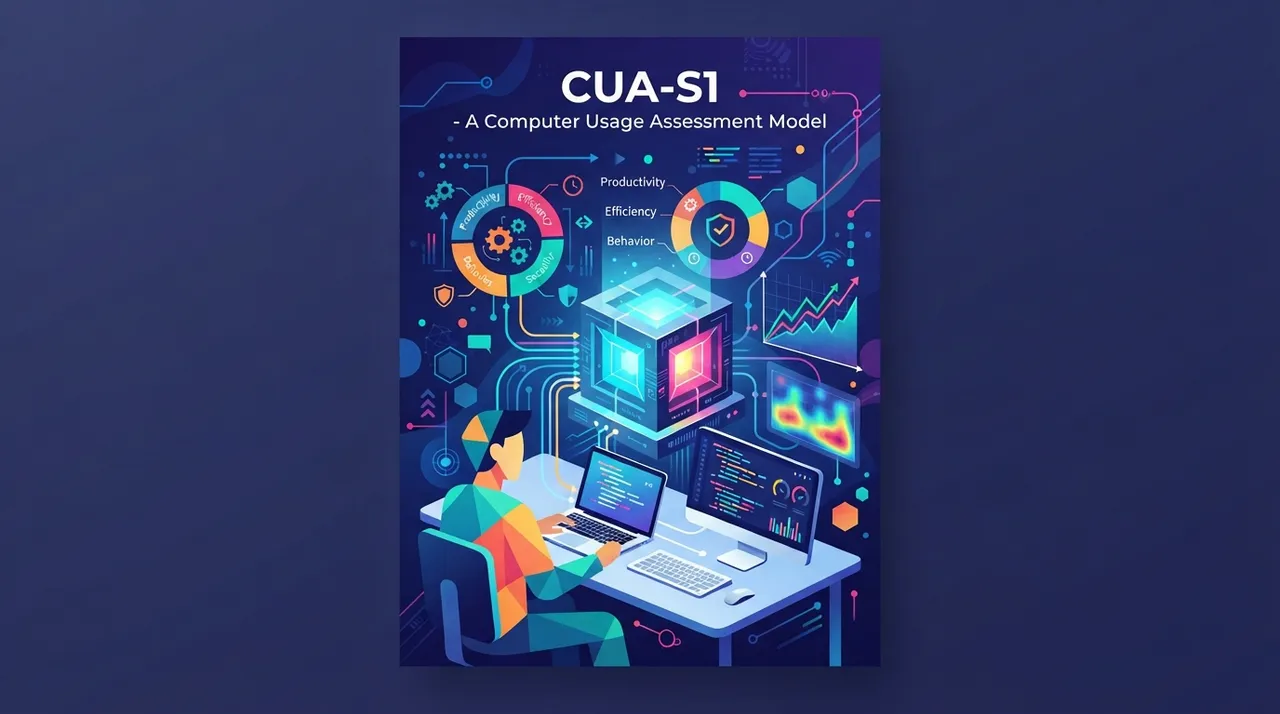
CUA-S1, or the “System One Model for Computer Use,” is a theoretical model designed to analyze and understand complex computer use behaviors and their impacts on individuals. CUA-S1 is not a software tool itself, but rather a comprehensive framework for assessing and measuring how users interact with computers in various contexts. The model is based on analyzing the relationship between three main axes: first, individual characteristics (such as personality traits and cognitive abilities); second, motives for computer use (such as professional goals, entertainment, or social communication); and third, the consequences of this use, whether productive or health-related (mental and physical). CUA-S1 combines elements from behavioral psychology, cognitive psychology, and sociology to analyze how interaction with computers shapes human experiences.
This model is designed to help researchers and practitioners gain a deeper understanding of complex computer use patterns, enabling them to develop better strategies for improving user experience, increasing productivity, and mitigating potential negative effects such as digital strain or addiction. By providing a systematic structure for evaluating these aspects, CUA-S1 allows for the identification of influential factors and the provision of tailored recommendations to achieve a healthy and effective balance in technology use.
Why it helps
Precise User Behavior Analysis: The model provides a systematic framework for evaluating behavioral patterns in computer use, helping to understand the underlying motives behind these behaviors and how they impact performance and well-being. This accurate analysis allows for the identification of strengths and weaknesses in users' interaction with technology.
Improved Productivity and Efficiency: By understanding the factors that enhance or hinder productivity in computer use, organizations and individuals can design more effective work environments and usage strategies. The model helps identify practices that increase efficiency and reduce wasted time and effort.
Support for Mental and Physical Health: CUA-S1 focuses on the relationship between computer use and health impacts, such as stress, burnout, or eye and back problems. This understanding aids in developing interventions to reduce health risks and promote the overall well-being of users, leading to a more sustainable work environment.
Development of Tailored Training Programs and Interventions: Based on assessments derived from the model, specific training programs or interventions can be designed to improve computer use skills, foster healthy habits, or address specific issues such as distraction or overuse, serving the needs of each individual or group.
How to get value
Boost Freelancer Productivity and Reduce Stress: As a freelancer or entrepreneur, you can use the principles of CUA-S1 to evaluate your personal computer use habits. Start by identifying your true motives behind each task you perform on the computer: Is it essential, or merely a distraction? Categorize your tasks (productive tasks, communication tasks, entertainment, distraction). Then, monitor the time you spend in each category. For example, if you work in graphic design, you might notice that you spend hours browsing social media for “inspiration,” while that time could be dedicated to learning a new skill that increases your market value. Use the model to identify negative patterns, such as frequent task-switching or excessive use late at night, and create an action plan to reduce these behaviors. This might include setting dedicated periods for focused work, taking regular breaks, and avoiding computer use before bed. This structured approach will help you increase your focus, improve the quality of your work, and reduce stress associated with freelancing, positively impacting your income and health.
Smart Use Tip
To get the most out of CUA-S1, use it as a framework for critical thinking about your digital habits rather than just an analysis tool. Keep a digital diary for a week to document your computer use, including times, tasks, and your mental state. Then, review this data in light of CUA-S1’s axes (personality traits, motives, impacts). Ask yourself: Do my usage patterns align with my professional and personal goals? Are there habits that can be changed to improve my health or productivity? This regular review will help you develop self-awareness that can transform your interaction with technology from mere habit into an intentional and effective strategy.





Comments 0
No comments yet — be the first to share your thoughts.
Share your thoughts
To comment, sign in first — we email you a one-time code (no password). This keeps the discussion clean.
Sign in to comment →