
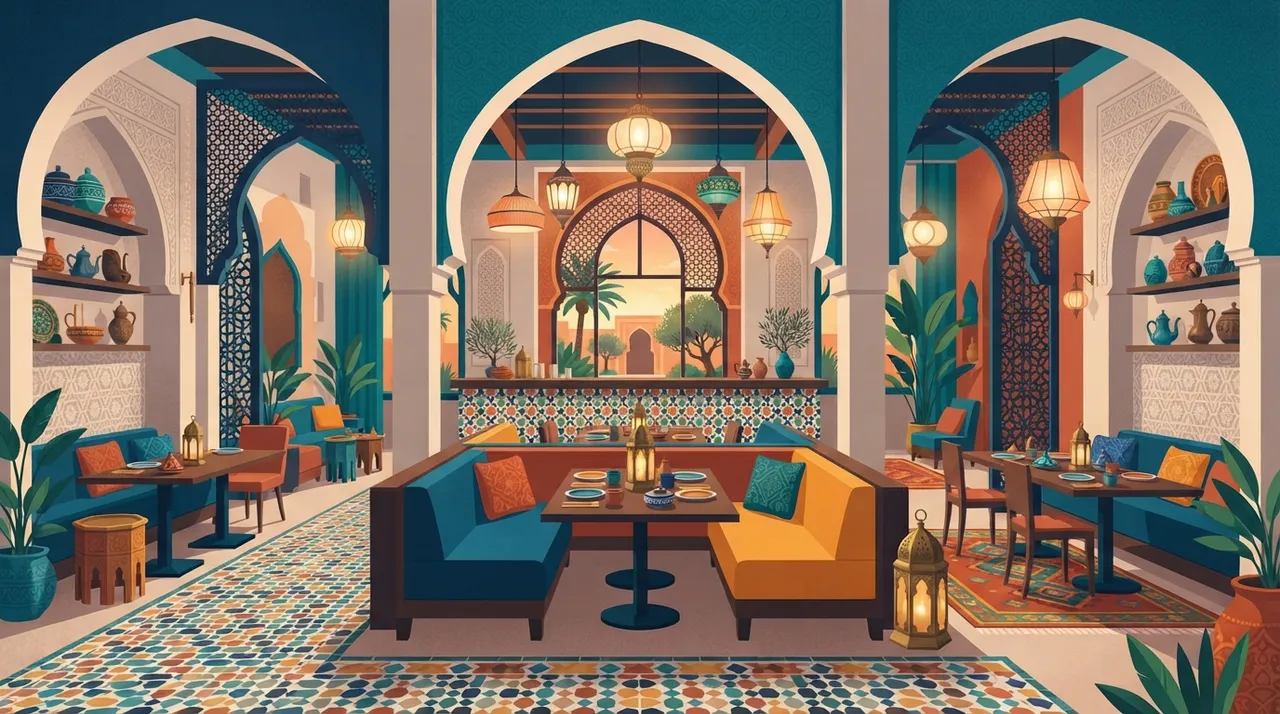
Morocco's rich culinary heritage offers a unique opportunity for entrepreneurs. A modern Moroccan restaurant concept can blend traditional flavors with contemporary dining experiences, appealing to both locals and tourists. This guide provides a practical roadmap for launching and thriving in this niche.
Crafting Your Unique Culinary Identity
The foundation of a successful restaurant lies in its menu and ambiance. Instead of merely replicating traditional dishes, consider innovating. Think about:
- Fusion Cuisine: Blending Moroccan flavors with international culinary techniques (e.g., Moroccan tagine-inspired tapas).
- Farm-to-Table Focus: Sourcing fresh, local ingredients to highlight the quality and authenticity of Moroccan produce.
- Dietary Inclusivity: Offering vegetarian, vegan, and gluten-free options, a growing trend in modern dining.
- Modern Ambiance: Combining traditional Moroccan decor elements with sleek, contemporary designs to create a unique atmosphere.
Strategic Location and Setup
Choosing the right location is paramount. Consider areas with high foot traffic, tourist appeal, or a growing demographic interested in diverse dining experiences. Key aspects include:
- Visibility: Ensure your restaurant is easily visible and accessible.
- Parking: Adequate parking facilities are often a decisive factor for customers.
- Permits and Regulations: Navigate local licensing and health regulations with a clear understanding of the requirements in Morocco. Consulting with a local business consultant can streamline this process.
- Kitchen Design: Optimize your kitchen layout for efficiency, hygiene, and workflow, ensuring it meets all regulatory standards.
Digital Marketing for Modern Moroccan Eateries
In 2026, a robust digital presence is non-negotiable. Leverage these strategies to attract and retain customers:
- High-Quality Food Photography: Invest in professional photos of your dishes to showcase their appeal on social media and your website.
- Social Media Engagement: Utilize platforms like Instagram and TikTok to share behind-the-scenes content, highlight new menu items, and engage with your audience through polls and stories.
- Online Reservations: Implement an easy-to-use online reservation system to streamline bookings and manage capacity. Platforms like TheFork or custom solutions can be effective.
- Local SEO Optimization: Ensure your restaurant appears prominently in local search results by optimizing your Google My Business profile and collecting customer reviews.
- Influencer Collaborations: Partner with local food bloggers and influencers to reach a wider audience and build credibility.
Operational Excellence and Customer Experience
Beyond the food, the overall customer experience defines a restaurant's success. Focus on:
- Staff Training: Invest in training your staff on Moroccan hospitality principles, menu knowledge, and excellent customer service.
- Feedback Mechanisms: Implement systems for collecting customer feedback, whether through digital surveys or direct interactions, to continuously improve your offerings.
- Loyalty Programs: Reward loyal customers with special offers or discounts to encourage repeat business.
- Event Hosting: Consider hosting themed nights, cooking classes, or private events to diversify revenue streams and attract new clientele.
Financial Planning and Management
A solid financial plan is crucial. This includes:
- Startup Costs: Detailed budgeting for rent, renovations, equipment, initial inventory, and permits.
- Operating Costs: Regular expenses like salaries, utilities, marketing, and food supplies.
- Pricing Strategy: Price your menu items competitively while ensuring profitability, considering ingredient costs, labor, and desired profit margins.
- Revenue Forecasting: Project sales based on capacity, average spend per customer, and marketing efforts.
- Cash Flow Management: Monitor your cash flow diligently to ensure liquidity and make informed business decisions.


Comments 0
No comments yet — be the first to share your thoughts.
Share your thoughts
To comment, sign in first — we email you a one-time code (no password). This keeps the discussion clean.
Sign in to comment →