
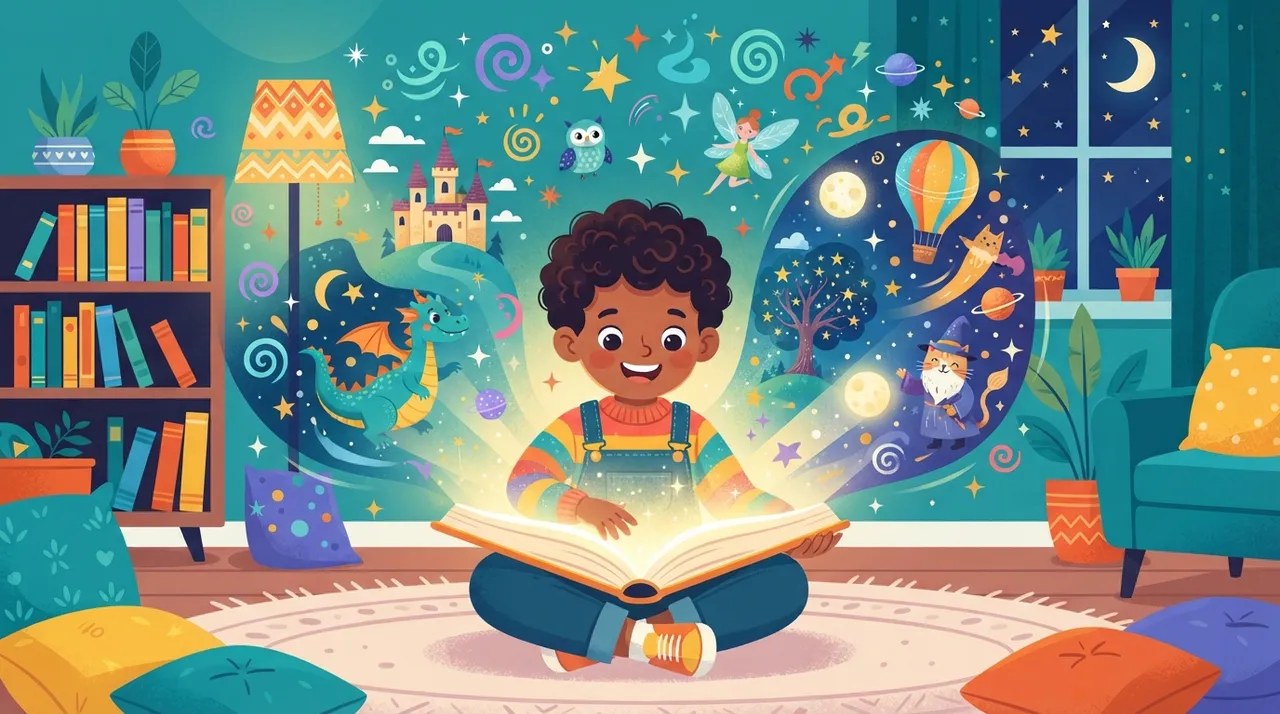
In 2026, the potential of AI to revolutionize educational content for children is vast. Beyond simple games, AI can craft dynamic, personalized stories that adapt to a child's choices, fostering deeper engagement and critical thinking. This approach transforms passive consumption into active participation, making learning an adventure.
Why Interactive AI Stories?
Traditional storytelling, while valuable, often follows a fixed path. Interactive AI stories break this mold by allowing children to influence the plot, characters, and outcomes. This not only enhances engagement but also develops crucial cognitive skills:
- Decision-Making: Children learn about consequences as their choices shape the narrative.
- Problem-Solving: Many stories can present mini-challenges that require creative solutions.
- Empathy and Perspective: Exploring different character paths can help children understand various viewpoints.
- Literacy Skills: The interactive nature encourages reading comprehension and vocabulary expansion.
Moreover, AI tools make the creation of such complex narratives more accessible to parents and educators, even without extensive programming knowledge.
Essential AI Tools for Story Creation
Several AI platforms and tools can assist in various stages of creating interactive stories:
- Large Language Models (LLMs): Tools like ChatGPT or Google Gemini are excellent for generating initial plot outlines, character dialogues, and even multiple narrative branches based on specific prompts. You can specify age-appropriate language and themes.
- AI Image Generators: Platforms such as Midjourney or Stable Diffusion can create unique visual assets for your story, including characters, settings, and objects. These visuals bring the story to life and help engage younger audiences.
- AI Voice Generators: For an immersive audio experience, tools like LOVO AI or Descript can generate natural-sounding voiceovers for different characters, adding another layer of interaction.
- Interactive Story Platforms: Some no-code platforms are emerging that specialize in interactive content, allowing you to link different story segments and choices easily. While specific names may vary, searching for "interactive story builder AI" will yield current options.
Crafting Your First Interactive Story: A Step-by-Step Guide
- Define Your Core Idea and Audience: What is the main theme? Who is the target age group? A simple premise like "A brave squirrel goes on an adventure to find a hidden acorn" can be a great starting point.
- Outline Key Characters and Settings: Use an LLM to help flesh out character personalities, names, and backstories. Describe the main settings where the story will take place.
- Develop the Main Plot and Branching Points: This is where interactivity comes in. Start with a central narrative and identify points where the child can make a choice. For example: "Should the squirrel go left into the spooky forest or right into the sunny meadow?" Each choice leads to a different short scenario.
- Generate Content with LLMs: Provide your LLM with specific prompts for each path. Example: "Write a short paragraph about what happens when the squirrel goes into the spooky forest, encountering a friendly owl." Then, prompt for the alternative path.
- Create Visuals and Audio: Use AI image generators to create illustrations for each scene and character. If desired, use AI voice generators for narration and character dialogue.
- Assemble and Test: Use a simple presentation tool (like PowerPoint/Google Slides) or an interactive story platform to link all the choices and outcomes. Test the story with children to gather feedback and refine the experience.
Maximizing Engagement and Educational Value
To make your AI-powered interactive stories truly impactful, consider these tips:
- Keep Choices Simple and Clear: Especially for younger children, avoid overly complex choices.
- Vary Outcomes: Ensure that different choices lead to distinct and interesting consequences, both positive and negative, to encourage exploration.
- Incorporate Educational Elements Subtly: Weave in facts about animals, nature, or simple moral lessons without being overly didactic.
- Allow for Replayability: Design stories so children can go back and explore different paths, discovering new aspects of the narrative.
- Prioritize Safety and Age-Appropriateness: Always review AI-generated content for suitability before presenting it to children. Ensure themes are positive and encouraging.
By leveraging AI, you can unlock a new realm of personalized, engaging, and educational experiences for children, preparing them for a future where technology and creativity intertwine.







Comments 0
No comments yet — be the first to share your thoughts.
Share your thoughts
To comment, sign in first — we email you a one-time code (no password). This keeps the discussion clean.
Sign in to comment →