
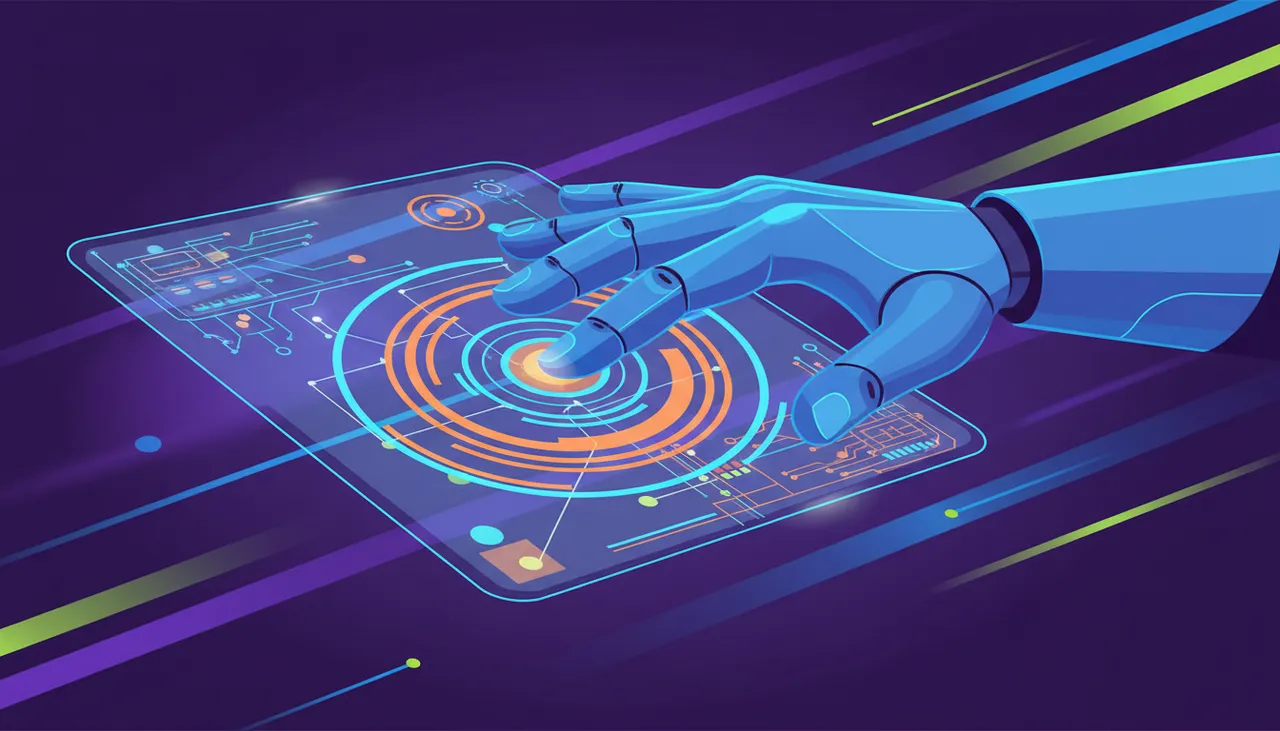
In an era where digital transformation is accelerating, most of our interactions with technology heavily rely on visual screens and auditory alerts. However, with recent advancements in haptic technology, we are now on the verge of rediscovering the sense of touch in the digital world. This technology, once limited to basic vibrations in phones and game controllers, is now evolving to deliver rich and complex tactile experiences that enhance immersion and realism in our interactions with devices and virtual environments.
What's New
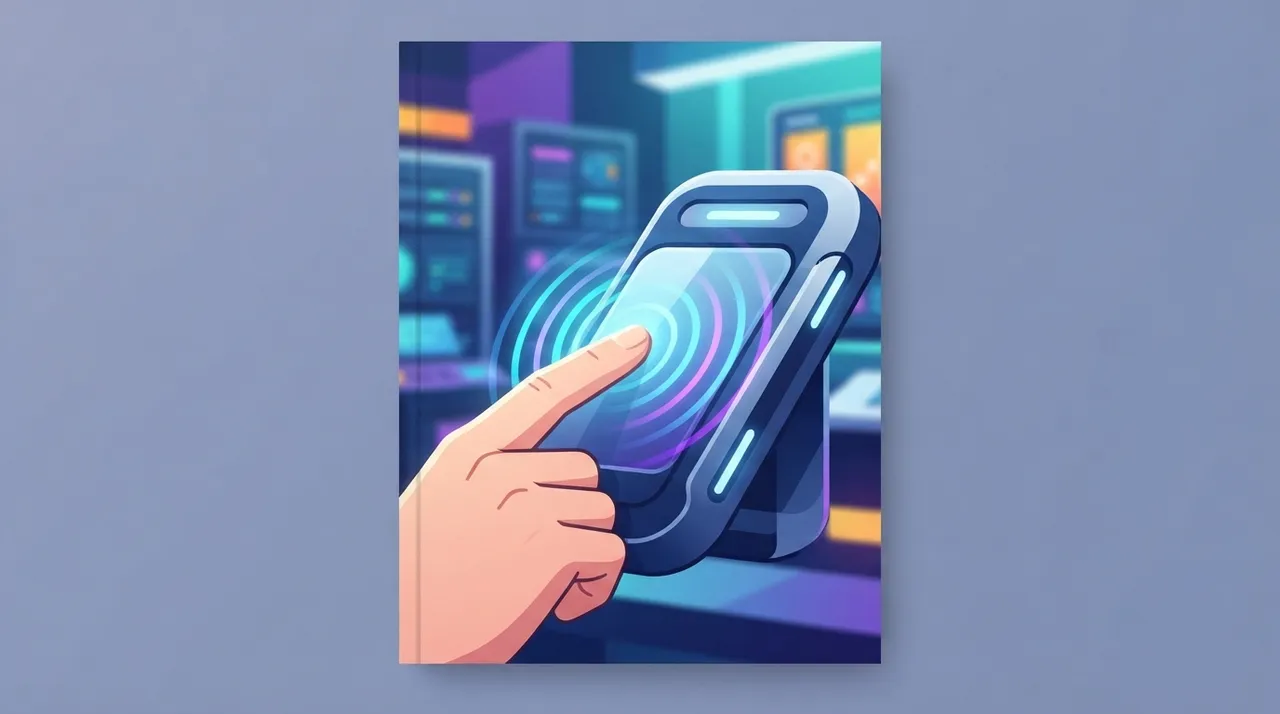
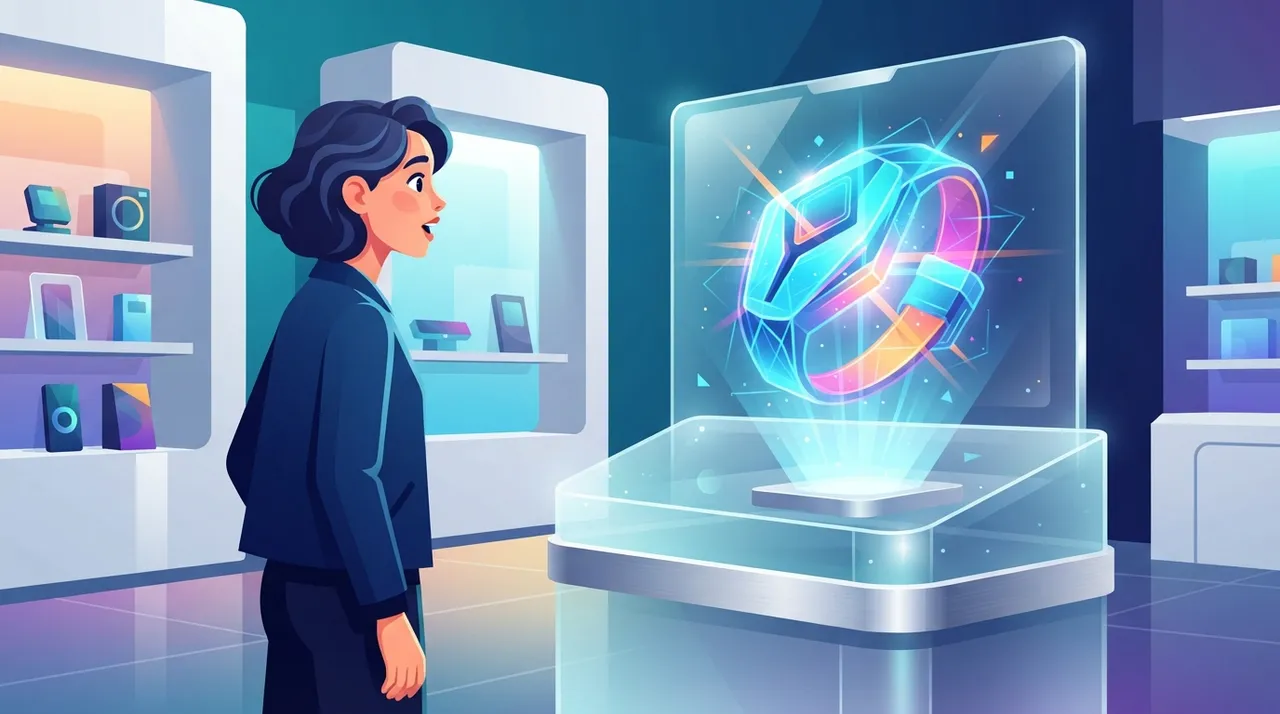
2026 and prior years have seen remarkable developments in haptic technology, far surpassing traditional vibrations. Haptic devices are now capable of simulating a wide range of sensations, including pressure, stretching, sliding, twisting, and even temperature, in addition to surface textures. [1, 5, 18, 19] This progress is driven by innovations in haptic actuators such as Linear Resonant Actuators (LRAs), Eccentric Rotating Mass (ERMs) motors, and microfluidic actuators. [1, 8, 23] Haptic gloves and suits, such as Immersion Dynamics' 'Tactile Reality Gloves,' are prominent, offering comprehensive tactile feedback that allows users to 'feel' the texture of virtual objects, the resistance of digital button presses, and even the subtle impact of raindrops in a simulated environment. [1, 5, 21] Furthermore, research is moving towards multisensory haptic technologies that combine vibration, skin stretch, pressure, and temperature to provide a richer touch experience. [18] There are also ultrasonic haptic technologies that create tactile sensations in mid-air without physical contact, opening the door for touchless interfaces in augmented and virtual reality. [12, 23]
Why It Matters
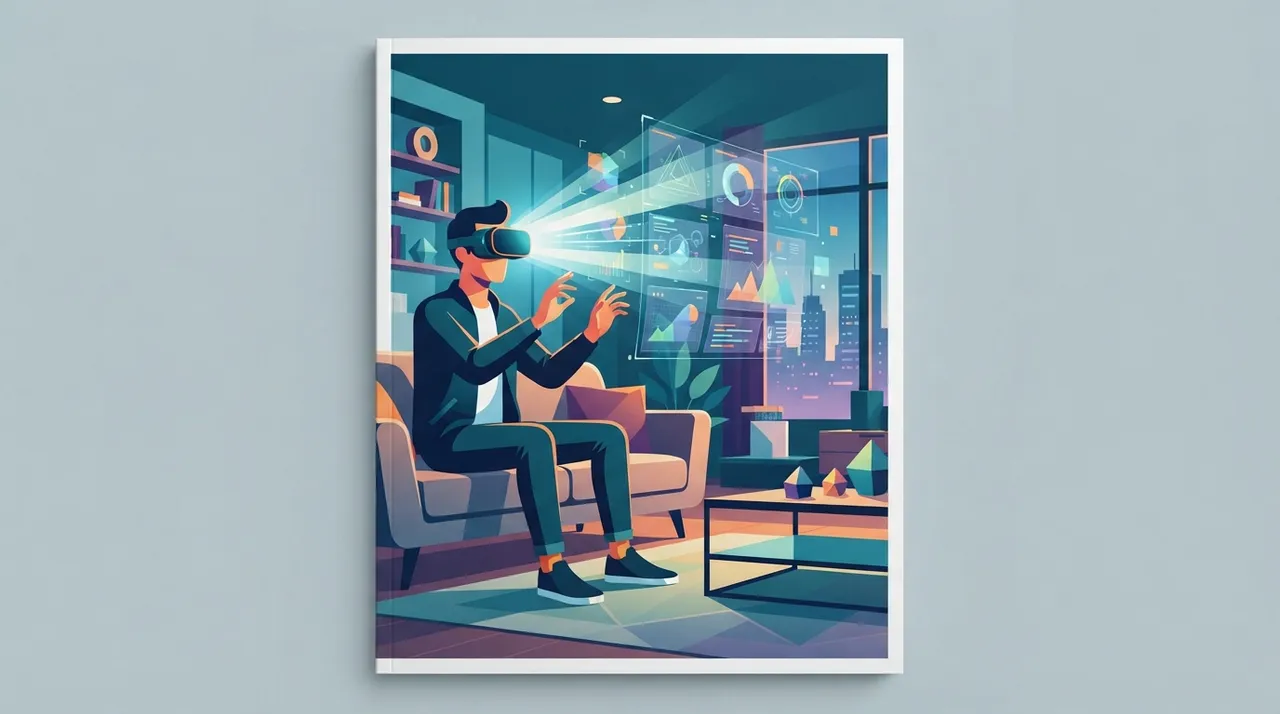
Haptic technology is gaining increasing importance across various sectors for several fundamental reasons. Firstly, this technology significantly enhances user experience, especially in virtual and augmented reality, where it increases immersion and realism, making interaction with virtual objects and environments more convincing and engaging. [2, 3, 4, 10] Instead of just seeing and hearing things, users can now feel them, adding a whole new dimension to the digital experience. [2, 10] Secondly, haptic technology plays a vital role in improving accessibility, particularly for individuals with visual or hearing impairments, by providing tactile cues that can convey information, alerts, and navigation directions. [6, 13, 19] For instance, haptic devices can translate visual data into tactile signals, enabling blind users to 'feel' digital content. [6] Thirdly, it contributes to increased safety and efficiency in applications such as automotive interfaces, where haptic alerts in steering wheels or seats can reduce driver distraction and warn of potential hazards. [6, 12] Fourthly, it revolutionizes training and simulation, especially in the medical field, allowing trainees to feel tissue resistance and tool interaction, which improves training quality and reduces risks in actual surgeries. [1, 2, 6] Finally, companies are moving towards integrating this technology as a core component in product design, rather than just an optional add-on, due to its significant impact on product feel, responsiveness, and emotional connection with users. [7, 16]
The evolution of haptic technology is not just a technical addition; it's a transformation in how we interact with the digital world, making it more natural, intuitive, and meaningful. As research and development continue, we can expect to see more sophisticated haptic solutions that will shape the future of human-computer interaction, opening unprecedented avenues for innovation in all aspects of our digital lives.



Comments 0
No comments yet — be the first to share your thoughts.
Share your thoughts
To comment, sign in first — we email you a one-time code (no password). This keeps the discussion clean.
Sign in to comment →