

In today's rapidly evolving digital world, where traditional network boundaries blur and attack methods grow more complex, relying on outdated security models is no longer viable. Identity and access-based attacks, such as phishing and credential theft, have become the primary vector for breaches, forcing a radical rethinking of how we secure our data and systems. This is the context in which the Zero Trust model emerges as an imperative, not just a technological option.
What's New in Zero Trust?
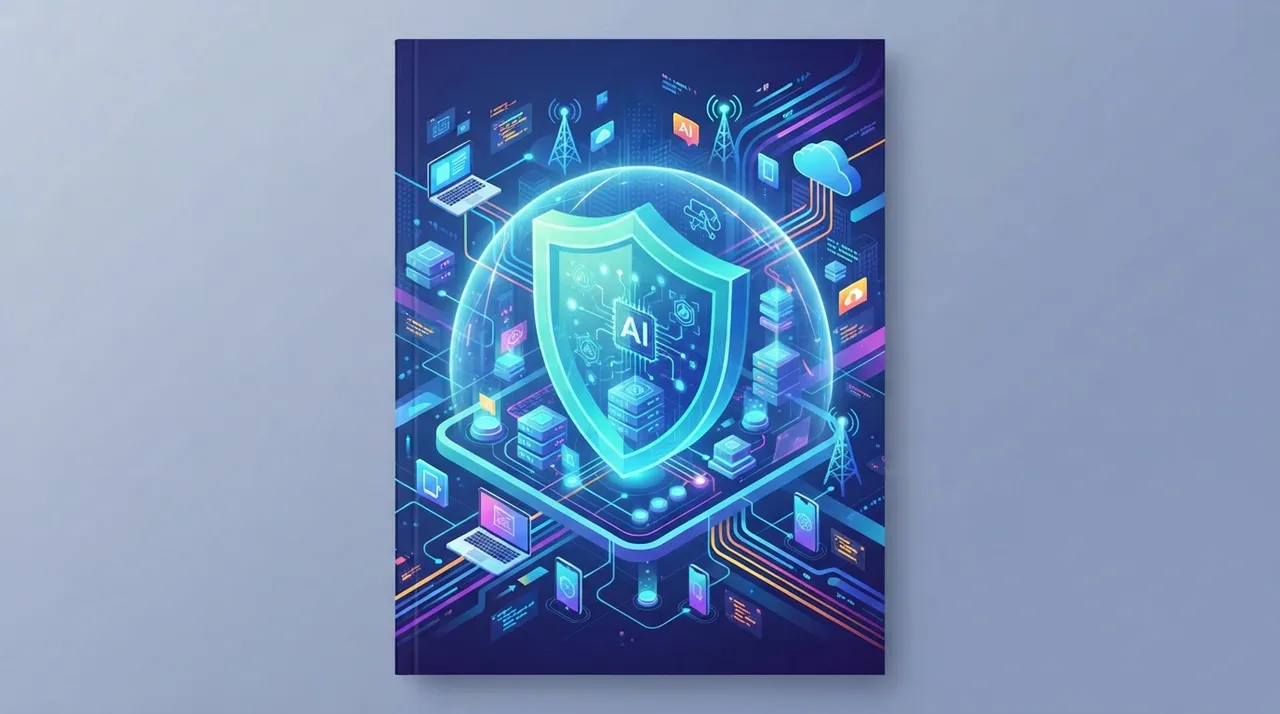
Zero Trust is a security framework and mindset operating on the principle of “never trust, always verify,” requiring strict identity verification for every user and device requesting access to resources, regardless of their location. It eliminates implicit trust by assuming all users and devices are potential threats and mandates verification at every access point through methods like least privilege access and continuous authentication. In 2026, this is no longer just a concept, but a tangible and widely implemented reality.
Statistics show that the adoption of this model is accelerating; by 2026, approximately 65-70% of global organizations are expected to adopt Zero Trust as a core cybersecurity strategy, up from 60% in 2025. A 2026 Gartner survey indicated that 72% of global enterprises have adopted or are actively implementing Zero Trust frameworks. The Zero Trust security market is projected to reach USD 88.78 billion by 2030, growing at a CAGR of approximately 16.3% from USD 41.72 billion in 2025.
Why It Matters Now
The importance of Zero Trust lies in its ability to address modern security challenges where traditional perimeter-based security models have failed. With the rise of remote work, cloud adoption, and multi-application environments, there is no longer a clear network 'perimeter' to defend. Modern attacks focus on compromising identities rather than breaking through firewalls, making identity the 'new perimeter' for organizations. Furthermore, AI-powered technologies have accelerated attacks, demanding a more dynamic and adaptive security response.
Key reasons why Zero Trust is crucial in 2026 include:
- Reduced Attack Surface: This model minimizes attackers' ability to move laterally within the network after an initial compromise, by enforcing strict access controls and microsegmentation.
- Improved Breach Containment: Continuous verification and monitoring limit the spread of threats, helping to isolate incidents before they escalate.
- Support for Hybrid and Cloud Environments: The Zero Trust framework provides consistent security controls across public, private, and hybrid clouds, regardless of where applications and data reside.
- Regulatory Compliance: Implementing policies like least privilege and continuous validation aids in compliance with standards such as GDPR, HIPAA, and NIST.
- Addressing AI-Generated Data: Gartner predicts that by 2028, 50% of organizations will implement a Zero Trust posture for data governance due to the proliferation of unverified AI-generated data.
Real-World Examples and Practical Benefits
Many leading companies and government institutions have adopted or are in the process of adopting Zero Trust models. For instance, the Aston Martin Aramco Formula One Team has partnered with Zscaler to implement AI-powered Zero Trust cybersecurity to protect critical data, applications, and operations, both at the track and at the team's UK headquarters. Similarly, the Cybersecurity and Infrastructure Security Agency (CISA) has released guidance to help federal agencies transition to modern Zero Trust architectures.
To practically benefit from Zero Trust, readers (individuals or organizations) can follow these steps and utilize these tools:
- Start with Identity-Centric Controls: Focus on Multi-Factor Authentication (MFA) everywhere, especially for administrative access. Use centralized Identity and Access Management (IAM) systems to manage user accounts and access policies.
- Implement Least Privilege Access: Grant users and devices only the minimum permissions necessary to perform their specific tasks, and reduce over-privileged accounts.
- Microsegmentation: Divide the network into smaller, isolated segments to contain threats and limit lateral movement by attackers.
- Continuous Monitoring and Logging: Continuously monitor and log all access attempts and traffic to detect suspicious activity and improve security. Use Security Information and Event Management (SIEM) systems to collect and analyze security data in real-time.
- Device Posture Evaluation: Check the security status of devices to ensure they meet organizational standards before allowing access.
- Utilize Zero Trust Network Access (ZTNA): ZTNA replaces traditional VPNs and provides secure, application-level access based on identity and device health.
In conclusion, Zero Trust is no longer just a theoretical concept; it has become the cornerstone of modern cybersecurity strategies. Adopting this model is not only a defense against increasing threats but also an investment in business resilience and sustainability in the face of an ever-evolving threat landscape.





Comments 0
No comments yet — be the first to share your thoughts.
Share your thoughts
To comment, sign in first — we email you a one-time code (no password). This keeps the discussion clean.
Sign in to comment →