

Generative AI has moved beyond being a promising technology to become a fundamental driving force in the global educational landscape. As of 2026, the integration of these tools into classrooms is no longer a futuristic concept but an established reality reshaping how knowledge is acquired and produced.
What's New
The education sector is experiencing unprecedented adoption of generative AI. According to a 2025 Microsoft report on AI in education, 86% of educational institutions use generative AI, the highest adoption rate among all industries. Teacher use of AI tools has doubled from 25% to 53% in a single academic year between 2023-2024 and 2024-2025. Student use of generative AI in learning processes increased from 66% in 2024 to 92% in 2025. Some estimates indicate that the global AI in education market, valued at $8.3 billion in 2025, is projected to reach $57.2 billion by 2033, growing at a CAGR of approximately 26%. The current third generation of AI education tools (2024–2026) focuses on integrating generative AI with pedagogical models, where large language models now power tools that not only generate content but also instructional sequences, scaffolded explanations, and formative feedback aligned to learning progressions.
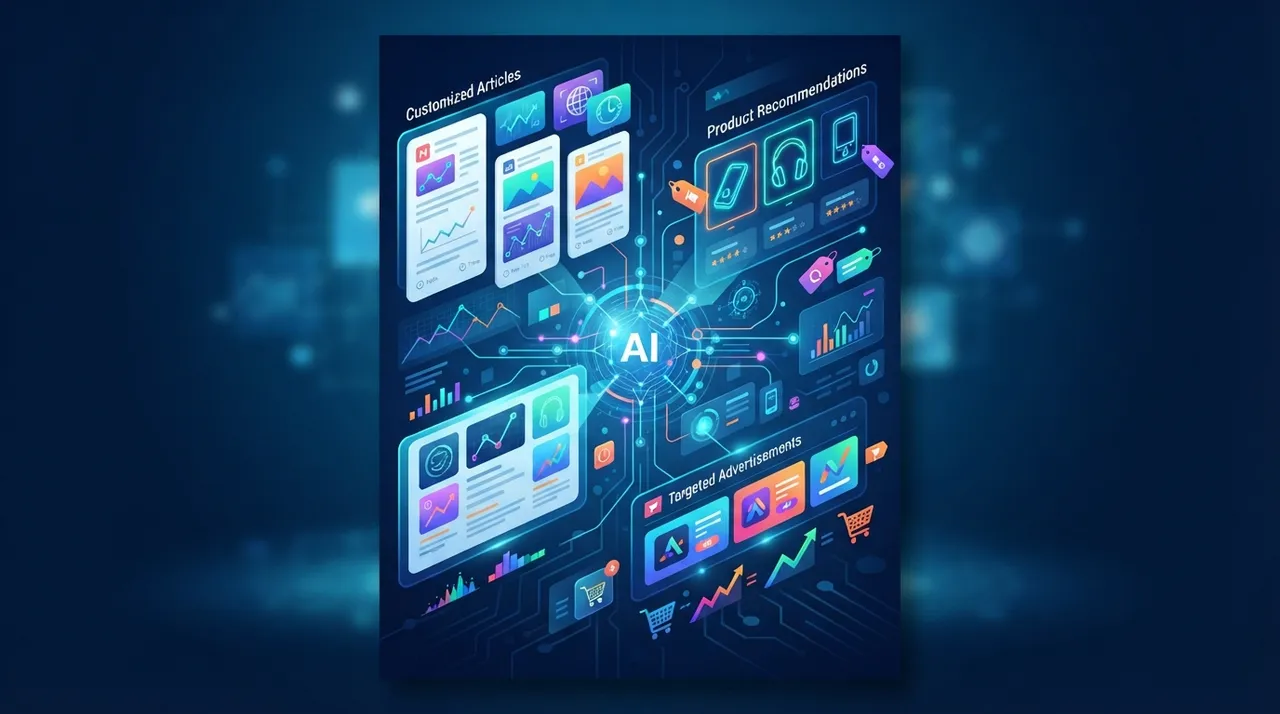
These tools are widely used in various areas, including lesson plan creation, personalized content generation, adaptive assessments, and administrative support. For example, generative AI can reduce lesson preparation time from 45-90 minutes to under 5 minutes. This technology also enhances creativity by helping users generate new ideas, designs, and content.
Why it Matters
Generative AI is crucial for achieving personalized learning, as it can analyze student data in real-time to adjust difficulty and content to match each individual student's progress. This means a student struggling with a specific concept will receive additional exercises and explanations, while an excelling student can advance to more complex problems. Classroom trials have shown that adaptive platforms increased student engagement by 30%.
Furthermore, these tools allow educators to save valuable time that can be invested in direct student interaction and individualized support. Teachers who regularly use AI tools save an average of 6 weeks of work per year. Key high-ROI use cases include AI tutoring, lesson planning, adaptive assessment, eLearning content generation, administrative automation, and accessibility support. Tools like Khanmigo from Khan Academy, Sourcebook, and Duolingo demonstrate how generative AI can make a real difference in education. Google's Gemini can also provide strong compliance with data privacy regulations like FERPA, making it a secure option for schools using Google Workspace for Education Fundamentals.
Despite the significant benefits, there are challenges and concerns regarding over-reliance on AI, potential decline in critical thinking skills, and ethical issues related to bias and data transparency. Therefore, it is essential to use generative AI with a clear pedagogical intent, to enrich learning rather than replace cognitive effort.
To practically benefit from this development, educators and students can start using available generative AI tools. Teachers can experiment with tools like OpenAI's ChatGPT Edu for lesson planning and content creation, MagicSchool for classroom templates, or Khanmigo as a teaching assistant. Students can use tools like Gemini, ChatGPT, or Claude to generate essay ideas, create drafts, improve phrasing, and summarize lengthy texts. AI-powered research tools like Perplexity or Elicit can also be used to generate research ideas and summarize academic research. It is important to use these tools as support systems, not as substitutes for independent learning, focusing on developing critical thinking and analytical skills.





Comments 0
No comments yet — be the first to share your thoughts.
Share your thoughts
To comment, sign in first — we email you a one-time code (no password). This keeps the discussion clean.
Sign in to comment →