
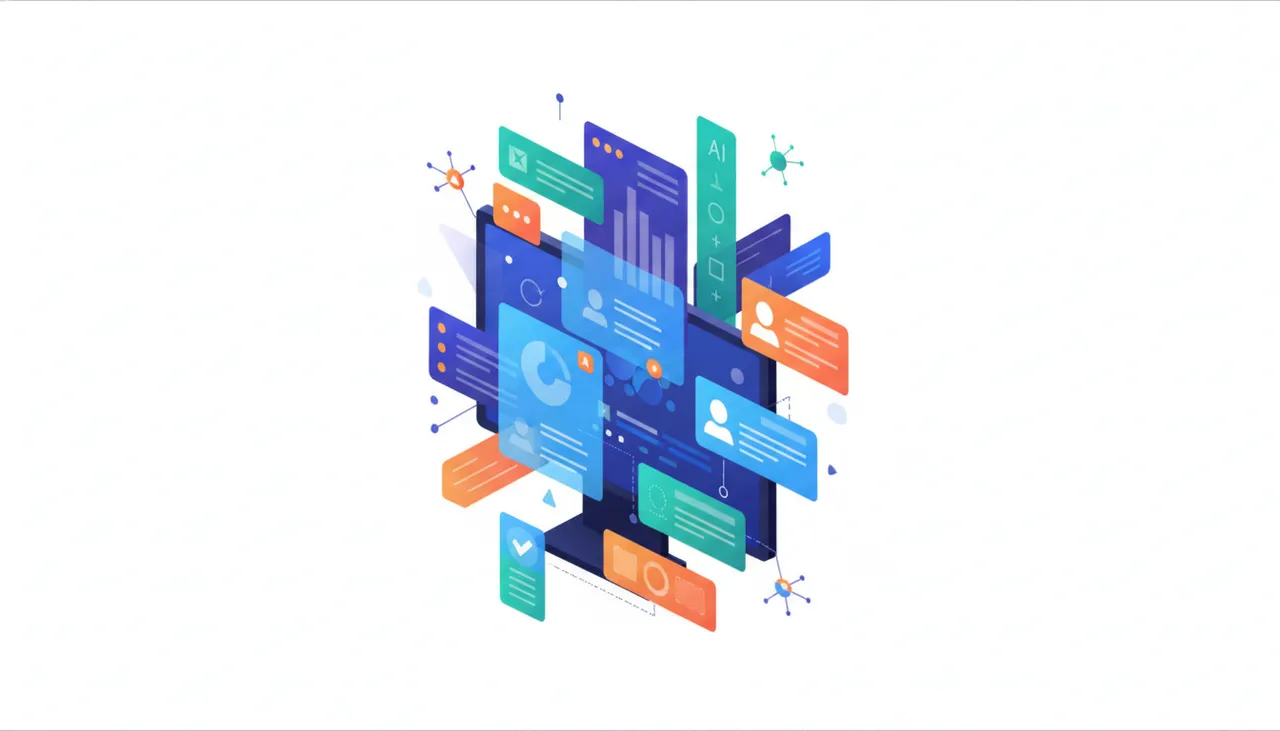
Digital interfaces are no longer static collections of buttons and menus; today, they are intelligent systems that breathe and interact, shaping unique experiences for each user. We are witnessing a radical transformation towards AI-powered adaptive interfaces, a technology redefining human interaction with tools and applications through hyper-personalization and predictive capabilities.
What's New
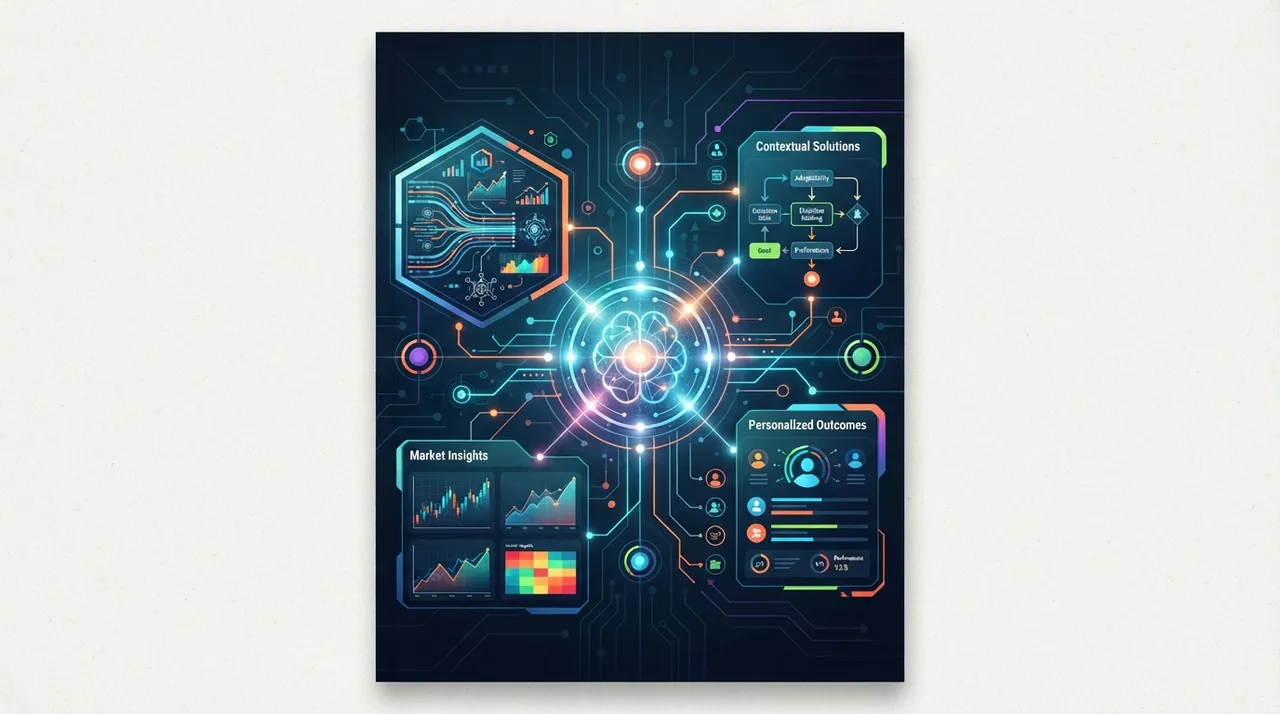
AI-powered adaptive interfaces go beyond traditional responsive design that adjusts to different screen sizes. In 2026, these interfaces have become systems that continuously learn and adapt to user behavior, preferences, and context in real-time. This means that two different users opening the same app might see entirely different navigation structures, priority orders, and even reorganized action flows, all based on each individual's usage history.
These interfaces rely on deep data analytics, including browsing history, purchase patterns, real-time interactions, and even location and device signals. AI algorithms, including machine learning, natural language processing, and generative AI, are used to analyze this data and predict user needs, then dynamically adjust content, recommendations, and layouts.
Key developments in this field include:
- Hyper-Personalization: One-size-fits-all design is over. AI algorithms enable the creation of digital products uniquely tailored to each user by analyzing their behaviors, preferences, search history, and interactions.
- Predictive and Proactive Interfaces: These interfaces anticipate user needs before they even arise, by analyzing historical data and current context (such as location, time of day, and user activity). For instance, a mobile banking app might proactively suggest a quick-pay option to a frequent contact, or a navigation app could automatically suggest the fastest route home based on the current time.
- Generative UI: AI can generate entire interfaces in real-time based on context, device, and history, rather than relying on predefined layouts. This shifts designers' focus from pixel-by-pixel construction to defining rule systems, brand constraints, and user intents.
- Multimodal Interfaces: Boundaries blur between visual, voice, and AR/VR interactions, allowing users to interact through the most natural mode for them at the moment.
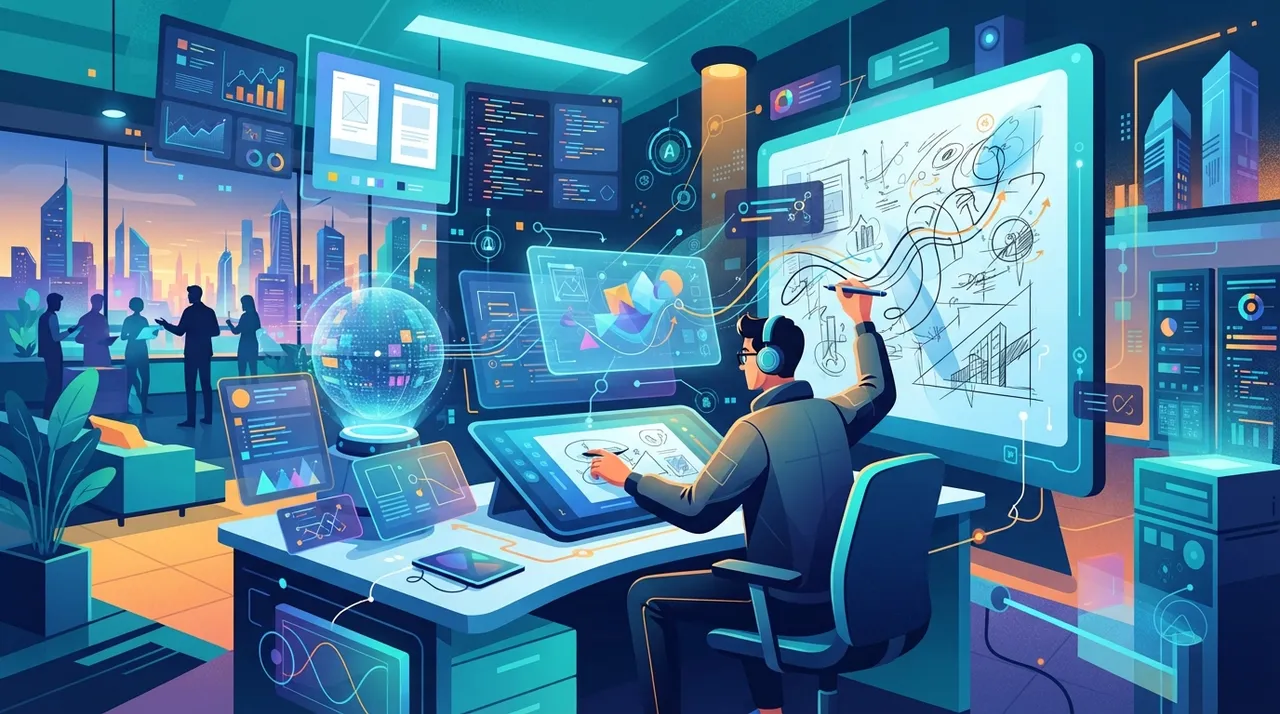
- Intelligent Design Assistance: AI tools are used to generate wireframes, prototypes, content, and visuals in minutes, significantly speeding up workflows.
Why It Matters
The importance of AI-powered adaptive interfaces extends beyond improving user experience; they have a direct impact on business growth and productivity:
- Increased Engagement and Loyalty: Users spend more time on platforms that 'understand' them and cater to their specific needs, fostering loyalty and leading to higher conversion rates. Studies show that fast-growing organizations drive 40% more revenue from personalization than their slower-moving counterparts.
- Streamlined Tasks and Reduced Cognitive Load: By anticipating user needs and adapting the interface, these technologies minimize the steps a user needs to take to complete a task, making the digital experience incredibly seamless and intuitive.
- Improved Productivity and Efficiency: AI tools enable designers and developers to automate repetitive tasks, such as generating initial designs and content, allowing them to focus on more complex creative and strategic challenges.
- Enhanced Accessibility: Adaptive interfaces integrate AI to make accessibility a default, not an afterthought. Systems can adapt to individual needs, such as adjusting font size, color contrast, or simplifying page layout for users with disabilities.
- Driving Innovation: Adaptive interfaces enable the exploration of new interaction paradigms, such as intent-based design where the interface interprets user intent even before typing is complete, and proactively offers solutions.
Practical results have shown that platforms using AI-powered adaptive interfaces have seen a 42% increase in session duration, a reduction in prototyping cycles from 14 days to 4 days using generative UI tools, and a 31% reduction in unnecessary clicks across complex user journeys.
How Readers Can Practically Benefit (Tools/Steps)
To harness the power of AI-powered adaptive interfaces, readers, whether they are designers, developers, business owners, or even general users, can follow these steps:
For Designers and Developers:
- Focus on Behavioral Data Collection: Understand how users interact with the product. Use behavioral analytics tools like Amplitude to gather insights into usage patterns.
- Explore Generative Design Tools: Utilize tools such as Uizard or Galileo AI to generate quick designs, wireframes, and prototypes based on text descriptions or defined styles.
- Integrate Personalization Engines: Employ AI-powered recommendation engines like Dynamic Yield or Nosto to personalize content and offers in real-time.
- Apply Natively Adaptive Design Principles: Integrate accessibility and adaptability into the core of the design rather than as an afterthought. This means considering how the interface can automatically adjust for different use cases and individual needs.
- Continuous Learning: Staying abreast of the latest advancements in AI, especially in machine learning and natural language processing, is crucial.
For Business Owners and Product Leaders:
- Clearly Define Goals: Before embarking on any personalization project, clearly outline what you aim to achieve (e.g., increase conversion rates, improve customer satisfaction, reduce costs).
- Start Small and Scale Gradually: Begin by personalizing specific aspects of the user experience, such as product recommendations or email communications, then gradually expand.
- Invest in Data and Infrastructure: Clean and organized data is the foundation for any successful personalization strategy.
- Transparency and Trust: Users should be aware that the interface is adapting to them, and this should be done in a way that respects their privacy. Small visual cues that communicate personalization can increase trust and engagement.
- Seek Expert Assistance: Collaborate with custom software development companies experienced in integrating AI to build tailored solutions that fit unique business needs.
Examples of Currently Useful Tools:
- HubSpot AI: Offers basic free personalization features, including behavioral tracking and email insights.
- Notion AI: AI features built into the Notion workspace, helping to summarize notes, generate content ideas, and organize information.
- Otter.ai: For real-time meeting transcription, speaker identification, and automatic summary generation.
- Zapier AI: For automating workflows across thousands of apps, with the ability to describe automations in natural language.
- Motion: An AI-powered calendar that automatically schedules tasks and reschedules them as needed.
- Perplexity AI: An AI-powered search and research engine that provides structured summaries with cited sources.
AI-powered adaptive interfaces are not just a passing trend; they represent a fundamental shift in how we design and experience the digital world. They enable us to build smarter, more responsive, and more human products and services, opening new horizons for innovation and growth in 2026 and beyond.


Comments 0
No comments yet — be the first to share your thoughts.
Share your thoughts
To comment, sign in first — we email you a one-time code (no password). This keeps the discussion clean.
Sign in to comment →