Executive Summary
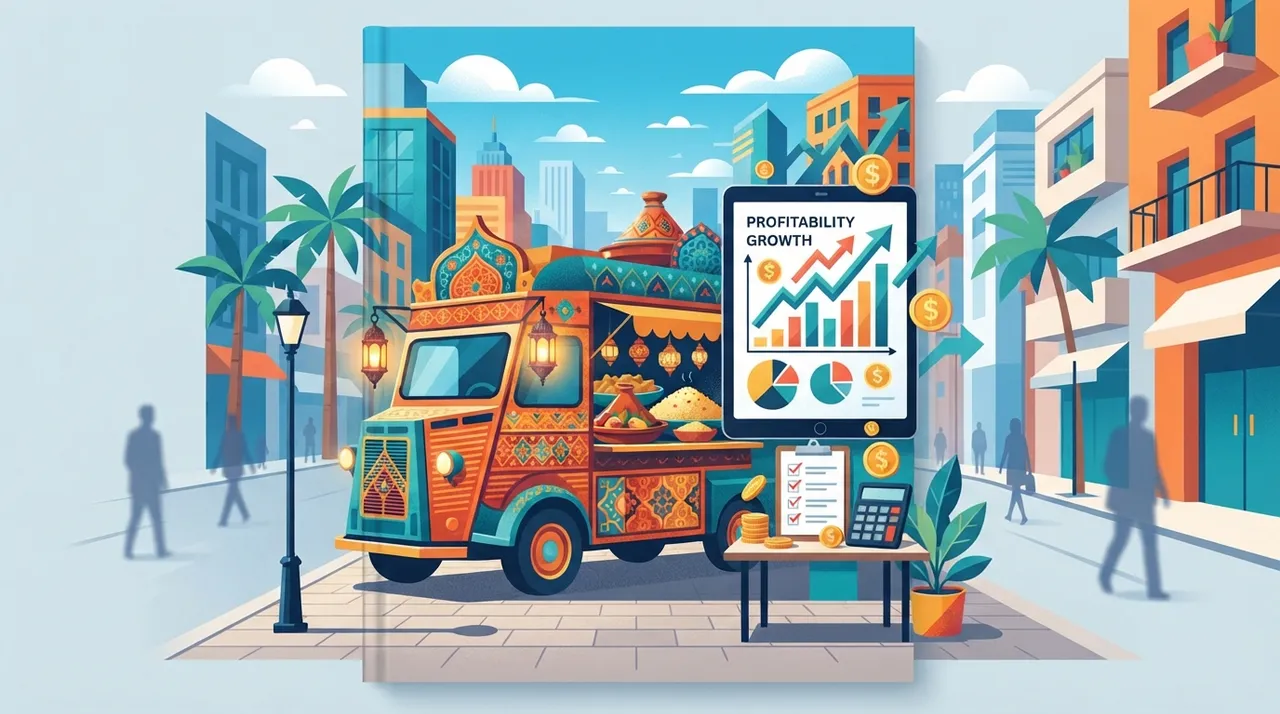
The AI-Powered Diet Meal Cloud Kitchen project in Greater Cairo, within Egypt's restaurant and food sector, targets a promising market opportunity. With an investment of ١٬٥٠٠٬٠٠٠ EGP, it achieves a Net Present Value of ٢٧١٬٦٤٠ EGP, an Internal Rate of Return of ٢٥٪, and a payback period of 2.9 years.
| Indicator | Value |
|---|---|
| Initial Investment | ١٬٥٠٠٬٠٠٠ ج.م |
| First-Year Revenue | ٢٬٥٠٠٬٠٠٠ ج.م |
| Annual Growth (CAGR) | ١٥٪ |
| Net Margin (Y1) | ٦٪ |
| Return on Investment (Avg.) | ١٩٪ annually |
| Net Present Value (NPV) | ٢٧١٬٦٤٠ ج.م |
| Internal Rate of Return (IRR) | ٢٥٪ |
| Profitability Index (PI) | ١ |
| Payback Period | ٣ سنة |
| Breakeven Year | Year ٣ |
| Expected NPV (Probability-Weighted) | ٣٠٦٬٧٥٣ ج.م |
Assumptions and Basis
The figures in this study are specifically derived for this project, sector, and country:
| Assumption | Value |
|---|---|
| Initial Capital | ١٬٥٠٠٬٠٠٠ ج.م |
| First-Year Revenue | ٢٬٥٠٠٬٠٠٠ ج.م |
| Annual Growth | ١٥٪ |
| Cost of Goods Sold (COGS) | ٣٥٪ of Revenue |
| Operating Expenses | ٤٥٪ of Revenue |
| Tax/Zakat | ٢٣٪ |
| Discount Rate (WACC) | ١٨٪ |
| Study Horizon | ٥ سنوات |
Basis of Assumptions: Figures are estimates based on averages for the cloud kitchen and food delivery sector in Greater Cairo, taking into account price fluctuations and inflation in Egypt for 2026.
Project and Opportunity Description
This project addresses a promising opportunity in Egypt's growing restaurant and food sector, specifically in the diet meal and delivery market. The project aims to establish a cloud kitchen in Greater Cairo, specializing in preparing and delivering healthy and balanced diet meals, integrating Artificial Intelligence (AI) technologies to improve all operational aspects. The business model relies entirely on online orders and delivery applications, reducing the operational costs associated with traditional restaurants.
The opportunity lies in the increasing health awareness among Egyptian consumers, especially in major cities like Cairo, in addition to the growth of the online food delivery market. The project will leverage AI to analyze customer data for meal customization, optimize inventory management to reduce waste, and enhance delivery efficiency. The target customer includes individuals interested in health and fitness, busy professionals seeking healthy and convenient meal solutions, and companies looking to provide healthy options for their employees.
Market Study and Demand
The food delivery market in Egypt is experiencing significant growth, having reached a size of USD 1.41 billion in 2024 and is expected to reach USD 3.36 billion by 2033, with a compound annual growth rate (CAGR) of 10.05% from 2026 to 2033. This growth is driven by an increase in internet users and the proliferation of food delivery applications. In Greater Cairo, the demand for healthy foods and diet meals is increasing due to growing health and fitness awareness and changing lifestyles that require fast and convenient dietary solutions.
Key demand drivers include: urbanization and an increasing working population, desire for healthy and customized food options, easy access to food delivery applications, and the influence of social media in promoting healthy lifestyles. Cloud kitchens generally benefit from these changes due to their operational flexibility and lower costs compared to traditional restaurants.
Market Sizing (TAM / SAM / SOM)
The market was qualitatively sized by starting from the Total Addressable Market (TAM) for online food delivery in Egypt, then estimating the Serviceable Available Market (SAM) targeting diet meals and delivery. Subsequently, the Serviceable Obtainable Market (SOM) was derived as an achievable percentage of SAM based on the project's initial operational capacity and ambitious market share. The sizing relied on recent market reports and research on the food delivery sector in Egypt, food commodity prices, and averages for 2026. Values were converted from USD to EGP based on the current average exchange rate for 2026.
| Level | Annual Size | Description |
|---|---|---|
| TAM — Total Market | 3500.0 million ج.م | Total serviceable demand |
| SAM — Available Market | 500.0 million ج.م | The portion your model reaches |
| SOM — Realistic Target | 50.0 million ج.م | Your realistic early share |
Sizing Basis: The Total Addressable Market (TAM) size is based on estimates for the online food delivery market in Egypt for 2026, which is expected to reach approximately USD 3.5 billion (equivalent to approximately EGP 108.5 billion at an average exchange rate of EGP 31 per USD), considering the market's projected compound annual growth rate of 9.58% over the forecast period. The Serviceable Available Market (SAM) represents the portion of the total market targeting diet meals and delivery, while the Serviceable Obtainable Market (SOM) represents an ambitious share achievable in Greater Cairo.
Unit Economics
Measures the profitability of each sales unit/customer — the most accurate feasibility indicator:
| Unit Indicator | Value |
|---|---|
| Sales Unit | Plate/Meal |
| Average Price/Revenue per Unit | ١٥٠ ج.م |
| Customer Acquisition Cost (CAC) | ٧٥ ج.م |
| Customer Lifetime Value (LTV) | ١٬٥٠٠ ج.م |
| LTV/CAC Ratio | ٢٠× (Healthy) |
| Contribution Margin | ٦٠٪ |
Competitive Analysis
Competition in the diet meal market in Greater Cairo is diverse, including traditional restaurants offering healthy options, other cloud kitchens specializing in healthy food, and independent chefs providing homemade meals. The sustainable advantage of this project lies in integrating AI to provide a unique and customized customer experience. AI will be used to analyze customer preferences, provide personalized meal recommendations, optimize inventory management to reduce waste, and enhance delivery efficiency.
Customer loyalty will be built through consistent food quality, fast and efficient delivery, and AI-powered personalization. Emphasis will also be placed on building a strong brand online and through social media platforms.
Market Entry Plan and Pricing
The market entry and marketing plan is based on an intensive digital strategy. Marketing will be conducted through social media platforms (Facebook, Instagram, TikTok) targeting health and fitness enthusiasts. Collaborations with health and nutrition influencers will be sought to increase brand awareness.
Key marketing channels will include: content marketing (healthy recipes, nutrition tips), paid social media advertisements, partnerships with leading food delivery applications in Egypt (such as Talabat), and customer loyalty programs. Introductory offers and discounts will be provided to attract early customers. The pricing strategy will be competitive, focusing on the value offered in terms of quality and customization, with an average meal price of 150 EGP.
Capacity and Operations
Equipping a central kitchen in Greater Cairo with a production capacity of up to 200 meals per day in the first year, with a plan for gradual expansion to increase production capacity to 500 meals per day by the end of the third year, and reaching 70-80% occupancy of maximum capacity.
Daily operations focus on efficiency and quality. Processes begin with receiving orders via digital platforms, followed by production planning based on projected orders and customer preferences (AI-powered). Meals are prepared by a specialized team of diet chefs, with strict monitoring of ingredient quality and cooking methods. Packaging is done in healthy and sustainable containers that maintain food quality during delivery.
Delivery is carried out by a dedicated fleet or in partnership with specialized delivery companies, with an emphasis on fast and efficient delivery. Strict food safety and hygiene protocols will be applied at all stages of production, packaging, and delivery.
Technical aspects involve equipping a central cloud kitchen in a strategic location in Greater Cairo, providing easy access to target delivery areas. The kitchen must be equipped with the latest cooking, refrigeration, and freezing equipment, with strict adherence to Egyptian and international food safety standards imposed by the National Food Safety Authority (NFSA).
An integrated AI-powered cloud kitchen management system will be used to manage orders, inventory, and production scheduling. Backup generators must be provided to ensure business continuity. Suppliers will be carefully selected to ensure the quality of fresh ingredients and reliability of supply, with a focus on local suppliers whenever possible.
Projected Income Statement (5 Years)
| Item \ Year | Y1 | Y2 | Y3 | Y4 | Y5 |
|---|---|---|---|---|---|
| Revenues | ٢٬٥٠٠٬٠٠٠ ج.م | ٢٬٨٧٥٬٠٠٠ ج.م | ٣٬٣٠٦٬٢٥٠ ج.م | ٣٬٨٠٢٬١٨٧ ج.م | ٤٬٣٧٢٬٥١٦ ج.م |
| Cost of Sales | (٨٧٥٬٠٠٠ ج.م) | (١٬٠٠٦٬٢٥٠ ج.م) | (١٬١٥٧٬١٨٧ ج.م) | (١٬٣٣٠٬٧٦٦ ج.م) | (١٬٥٣٠٬٣٨٠ ج.م) |
| Gross Profit | ١٬٦٢٥٬٠٠٠ ج.م | ١٬٨٦٨٬٧٥٠ ج.م | ٢٬١٤٩٬٠٦٣ ج.م | ٢٬٤٧١٬٤٢٢ ج.م | ٢٬٨٤٢٬١٣٥ ج.م |
| Operating Expenses | (١٬١٢٥٬٠٠٠ ج.م) | (١٬٢٩٣٬٧٥٠ ج.م) | (١٬٤٨٧٬٨١٢ ج.م) | (١٬٧١٠٬٩٨٤ ج.م) | (١٬٩٦٧٬٦٣٢ ج.م) |
| EBITDA | ٥٠٠٬٠٠٠ ج.م | ٥٧٥٬٠٠٠ ج.م | ٦٦١٬٢٥٠ ج.م | ٧٦٠٬٤٣٨ ج.م | ٨٧٤٬٥٠٣ ج.م |
| Tax | (٤٥٬٠٠٠ ج.م) | (٦١٬٨٧٥ ج.م) | (٨١٬٢٨١ ج.م) | (١٠٣٬٥٩٨ ج.م) | (١٢٩٬٢٦٣ ج.م) |
| Net Profit | ١٥٥٬٠٠٠ ج.م | ٢١٣٬١٢٥ ج.م | ٢٧٩٬٩٦٩ ج.م | ٣٥٦٬٨٣٩ ج.م | ٤٤٥٬٢٤٠ ج.م |
| Net Margin | ٦٪ | ٧٪ | ٩٪ | ٩٪ | ١٠٪ |
Investment Cost Structure
| Item | Cost | Percentage |
|---|---|---|
| Kitchen Rent and Setup, Equipment | ٦٠٠٬٠٠٠ ج.م | ٤٠٪ |
| Salaries and Wages | ٣٧٥٬٠٠٠ ج.م | ٢٥٪ |
| Raw Materials and Ingredients Costs | ٣٠٠٬٠٠٠ ج.م | ٢٠٪ |
| Licenses, Marketing, and Technology | ١٥٠٬٠٠٠ ج.م | ١٠٪ |
| Other Operating Expenses and Contingencies | ٧٥٬٠٠٠ ج.م | ٥٪ |
Cash Flow and Breakeven Point
| Year | Operating Cash Flow | Cumulative Cash Flow |
|---|---|---|
| Year ١ | ٤٥٥٬٠٠٠ ج.م | -١٬٠٤٥٬٠٠٠ ج.م |
| Year ٢ | ٥١٣٬١٢٥ ج.م | -٥٣١٬٨٧٥ ج.م |
| Year ٣ | ٥٧٩٬٩٦٩ ج.م | ٤٨٬٠٩٤ ج.م |
| Year ٤ | ٦٥٦٬٨٣٩ ج.م | ٧٠٤٬٩٣٣ ج.م |
| Year ٥ | ٧٤٥٬٢٤٠ ج.م | ١٬٤٥٠٬١٧٣ ج.م |
Estimated breakeven point at annual revenue ≈ ٢٬١٩٢٬٣٠٨ ج.م (~٨٨٪ of first-year revenue), with a contribution margin of ٦٥٪. Cumulative cash breakeven in Year ٣.
Funding Structure
| Funding Source | Percentage | Amount |
|---|---|---|
| Equity | ٧٠٪ | ١٬٠٥٠٬٠٠٠ ج.م |
| Debt Financing (17% interest) | ٣٠٪ | ٤٥٠٬٠٠٠ ج.م |
Sensitivity Analysis (Revenue × Operations)
The impact of changes in revenue and costs together on Net Present Value:
| Revenue \ Operations | −10٪ | −5٪ | Base | +5٪ | +10٪ |
|---|---|---|---|---|---|
| −20٪ | ٥٨٣٬٧٥١ ج.م | ٢٧١٬٦٤٠ ج.م | -٤٠٬٤٧١ ج.م | -٣٥٢٬٥٨٢ ج.م | -٦٩٩٬٩٣٤ ج.م |
| −10٪ | ٨١٧٬٨٣٥ ج.م | ٤٦٦٬٧٠٩ ج.م | ١١٥٬٥٨٤ ج.م | -٢٣٥٬٥٤١ ج.م | -٦٠٧٬٩٦٦ ج.م |
| Base | ١٬٠٥١٬٩١٨ ج.م | ٦٦١٬٧٧٩ ج.م | ٢٧١٬٦٤٠ ج.م | -١١٨٬٤٩٩ ج.م | -٥٢٠٬١٩٢ ج.م |
| +10٪ | ١٬٢٨٦٬٠٠١ ج.م | ٨٥٦٬٨٤٨ ج.م | ٤٢٧٬٦٩٦ ج.م | -١٬٤٥٧ ج.م | -٤٣٥٬٣٧٧ ج.م |
| +20٪ | ١٬٥٢٠٬٠٨٥ ج.م | ١٬٠٥١٬٩١٨ ج.م | ٥٨٣٬٧٥١ ج.م | ١١٥٬٥٨٤ ج.م | -٣٥٢٬٥٨٢ ج.م |
Scenario Analysis
| Scenario | Probability | NPV | Assessment |
|---|---|---|---|
| Pessimistic | ٢٥٪ | -٣٢١٬٣٧١ ج.م | Not feasible |
| Base | ٥٠٪ | ٢٧١٬٦٤٠ ج.م | Feasible |
| Optimistic | ٢٥٪ | ١٬٠٠٥٬١٠١ ج.م | Feasible |
Expected Present Value (Weighted): ٣٠٦٬٧٥٣ ج.م.
Risk Analysis and Management
| Risk | Probability | Impact | Mitigation |
|---|---|---|---|
| Intense competition in the food delivery market | High | High | Focus on AI-powered customization and building a strong, distinctive brand. |
| Fluctuations in raw material prices and high inflation | High | Medium | Diversify suppliers, negotiate long-term contracts, and flexibly update prices. |
| Logistical challenges in delivery and maintaining food quality | Medium | Medium | Invest in high-quality packaging, optimize delivery routes, and continuously train delivery personnel. |
| Difficulty building customer loyalty in a virtual environment | Medium | Medium | Innovative loyalty programs, excellent customer service, and continuous customization of meals and offers based on AI data. |
| Technical issues in AI systems or delivery applications | Low | High | Contract with reliable technical service providers, establish backup plans, and train the team in troubleshooting. |
Organizational Structure and Team
The organizational structure consists of: a General Manager for the project, an Operations Manager (overseeing the kitchen and delivery), specialized diet chefs, chef assistants, a meal packing and packaging team, and delivery agents. A specialized team for AI technologies and IT will be hired to support systems and analytics. The focus will be on cadres with experience in the food and beverage sector and cloud kitchen management, in addition to expertise in nutrition and artificial intelligence.
Legal and Regulatory Aspects
The project requires obtaining all necessary licenses for establishing and operating a cloud kitchen in Egypt, including commercial registration, tax card, and activity permits from relevant authorities such as the Ministry of Supply and Internal Trade and the National Food Safety Authority (NFSA). Compliance with Law No. 1 of 2017 of the National Food Safety Authority and its executive regulations is mandatory. Necessary health certificates for employees must also be obtained. Adherence to Egyptian labor laws and occupational safety and health regulations is crucial.
Expansion and Sustainability Plan
The expansion plan relies on geographical expansion within Greater Cairo, then expanding to other governorates. This can be achieved by establishing additional cloud kitchens or through a shared kitchens model. Sustainability will be achieved through continuous innovation in the menu, expanding the use of AI to improve efficiency, and building strong customer relationships. Exploring the launch of sub-brands (multi-brand kitchens) from the same cloud kitchen to cater to different market segments can also be considered.
Environmental, Social, and Governance (ESG) Impact
The project aims to reduce environmental impact by efficiently managing inventory using AI to minimize food waste. Emphasis will be placed on using eco-friendly and biodegradable or recyclable packaging. Sustainable practices will be implemented in the kitchen, such as recycling used oils and organic waste. Socially, the project will provide job opportunities for youth and contribute to providing healthy food options for the community. Governance will enhance transparency and accountability in all aspects of operations.
Conclusions and Recommendations
The AI-powered diet meal cloud kitchen project represents a promising investment opportunity in the growing Egyptian market. With a focus on healthy meals and AI-backed customization, the project has the potential to attract a large customer base and achieve good profits. Challenges include intense competition and the need to build strong brand awareness, but with the competitive advantage of AI and good planning, the project can achieve sustainable success. The recommendation is to proceed with the project, focusing on precise execution of the operational and marketing plan and continuous investment in technology.
Sources and Disclaimer
- Food delivery market reports in Egypt (e.g., Deep Market Insights, IMARC Group, and Fortune Business Insights)
- National Food Safety Authority (NFSA) data
- Articles and analyses on cloud kitchens in the Middle East and Egypt
- Economic data and reports on food commodity prices in Egypt 2026
- Analyses on the use of AI in the food sector
Disclaimer: This is a guiding study based on sector assumptions and standards at the time of preparation; verify figures locally before any investment decision.