Executive Summary
The project Smart Central Kitchen for Producing Ready Meals for Institutions in Iraq in the restaurants and food sector in Iraq targets a promising market opportunity. With an investment of ١٬٢٥٠٬٠٠٠٬٠٠٠ IQD, it achieves a Net Present Value (NPV) of -٦١٤٬١٥٨٬٦١٩ IQD, an Internal Rate of Return (IRR) of -٩٪, and a payback period of — years.
| Indicator | Value |
|---|---|
| Initial Investment | ١٬٢٥٠٬٠٠٠٬٠٠٠ IQD |
| First Year Revenue | ٩٠٠٬٠٠٠٬٠٠٠ IQD |
| Annual Growth (CAGR) | ١٥٪ |
| Net Margin (Year 1) | -١٣٪ |
| Return on Investment (Avg.) | -٥٪ annually |
| Net Present Value (NPV) | -٦١٤٬١٥٨٬٦١٩ IQD |
| Internal Rate of Return (IRR) | -٩٪ |
| Profitability Index (PI) | ١ |
| Payback Period | — |
| Breakeven Year | — |
| Expected NPV (Probability-Weighted) | -٦٠٤٬٦٣٤٬٤٧٤ IQD |
Assumptions and Basis
The figures in this study are specifically derived for this project, sector, and country:
| Assumption | Value |
|---|---|
| Initial Capital | ١٬٢٥٠٬٠٠٠٬٠٠٠ IQD |
| First Year Revenue | ٩٠٠٬٠٠٠٬٠٠٠ IQD |
| Annual Growth | ١٥٪ |
| Cost of Goods Sold (COGS) | ٥٥٪ of Revenue |
| Operating Expenses | ٣٠٪ of Revenue |
| Tax/Zakat | ١٥٪ |
| Discount Rate (WACC) | ١٢٪ |
| Study Horizon | ٥ years |
Basis of Assumptions: The figures are estimates based on average costs and sales of restaurants and central kitchens in Iraq, taking into account project size, operating and equipment costs, and the 15% corporate tax rate in Iraq.
Project and Opportunity Description
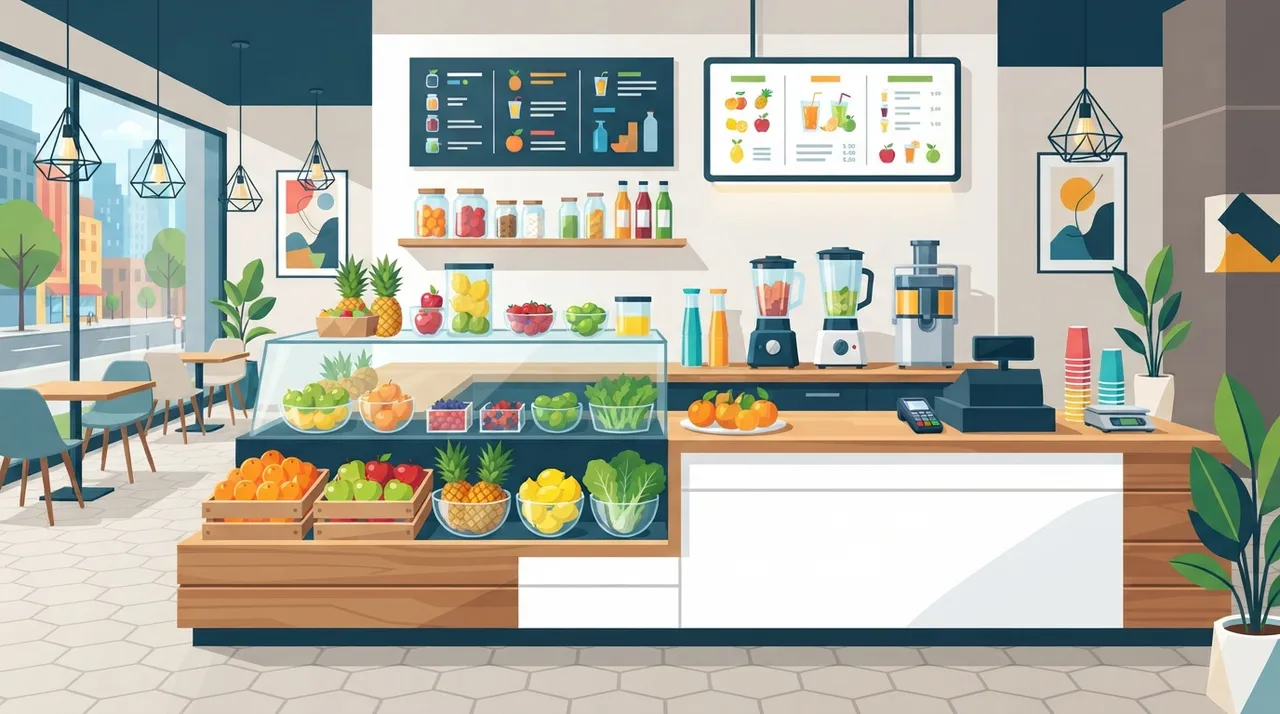
The Smart Central Kitchen project for producing ready meals for institutions in Iraq aims to fill a gap in the local market by providing integrated, high-quality food solutions. The business model relies on contracting with companies, factories, hospitals, schools, and universities to supply daily meals specifically designed to meet their nutritional needs, with a focus on health and proper nutrition. The opportunity lies in the growing demand for reliable and cost-effective ready meals, given the growth of the institutional sector and the increasing number of employees. The project offers meals cooked in a sterile and technologically monitored environment, ensuring food quality and safety, and targets clients seeking integrated and reliable food solutions.
Market and Demand Study
The Iraqi market is experiencing significant population growth, with the current population at 47.98 million and an annual growth rate of 2.05%. Major cities such as Baghdad (8.3 million people) and Basra (3.6 million people) are vital centers for economic and institutional activity. The demand for catering services and ready meals for institutions is increasing due to several factors, including the growing number of companies and factories seeking to provide healthy and convenient meals for their employees, and the expansion of the education and healthcare sectors. Estimates indicate that Iraqi families allocate a significant portion of their spending to food, and this percentage has begun to decline with price stabilization, allowing families to direct their spending towards other needs, indicating the availability of affordable food. The Iraqi government is also working to support the private sector and diversify the economy away from oil, creating a favorable environment for investment in the food sector. Despite economic challenges, there are investment opportunities announced by the Ministry of Trade and the National Investment Commission in the food sector.
Market Sizing (TAM / SAM / SOM)
Market sizing was based on estimating the number of active institutions and companies in major cities that could be potential clients for the central kitchen. The average daily meal order size per institution and the average meal price were estimated. The analysis relied on Iraq's demographic data, the number of registered companies, and research on the business sector's catering needs. Major cities such as Baghdad, Basra, Erbil, Sulaymaniyah, and Kirkuk were considered key pillars for estimating market size, due to the concentration of economic and institutional activities there. The Total Addressable Market (TAM) was estimated based on the total potential annual expenditure of institutions on ready meals, while the Serviceable Available Market (SAM) was determined based on the project's ability to meet a portion of this demand, taking into account competition and a realistic Serviceable Obtainable Market (SOM).
| Level | Annual Size | Description |
|---|---|---|
| TAM — Total Market | 2000000.0 million IQD | Total addressable demand |
| SAM — Available Market | 500000.0 million IQD | Portion accessible by your model |
| SOM — Realistic Target | 50000.0 million IQD | Your realistic early market share |
Sizing Basis: Market sizing relies on the number of institutions and companies in major cities such as Baghdad (8.3 million people) and Basra (3.6 million people) and their need for ready meals, considering the growth of the food sector in Iraq.
Unit Economics
Measures the profitability of each sales unit/customer — the most accurate feasibility indicator:
| Unit Indicator | Value |
|---|---|
| Sales Unit | Meal |
| Avg. Price/Revenue per Unit | ٧٬٥٠٠ IQD |
| Customer Acquisition Cost (CAC) | ٧٥٠ IQD |
| Customer Lifetime Value (LTV) | ٤٥٠٬٠٠٠ IQD |
| LTV/CAC Ratio | ٦٠٠× (healthy) |
| Contribution Margin | ٤٠٪ |
Competitive Analysis
The Iraqi market is characterized by a large number of traditional restaurants and kitchens that offer catering services, but competition in the smart central kitchen sector, which relies on technology and high quality, is still limited. The main competitors are large catering companies and some restaurants that have expanded to provide services to businesses. Our sustainable advantage lies in three main areas: Smart Technology: Utilizing the latest technologies in cooking, storage, and distribution processes to ensure efficiency, quality, and food safety. Quality and Health Standards: Adherence to the highest standards of hygiene and quality in meal preparation, with certified health certificates. Customization and Flexibility: Offering diverse and flexible menus that meet the different dietary needs of institutional clients, with the possibility of customization upon request. Mikaeel Company for Restaurant and Industrial Kitchen Equipment also manufactures and equips industrial kitchens with the highest safety and efficiency standards.
Market Entry and Pricing Strategy
The market entry plan includes direct marketing to major institutions and companies, and building strong relationships with human resources and procurement departments. Focus will be on digital marketing channels, including targeted email campaigns, LinkedIn advertisements, and creating engaging content that highlights the competitive advantages of the smart kitchen. Participation in specialized food and catering trade fairs and events in Iraq will also be included. Pricing will be competitive, with packages and discounts offered for long-term contracts and large orders, focusing on delivering value for money through quality and excellent service. An efficient distribution network will be built to ensure meals arrive fresh and on time to customers.
Capacity and Operations
Phase 1: Production capacity of 1000 meals per day, with gradual occupancy starting from 40% in the first year and reaching 80% in the third year. Phase 2: Expansion to 2000 meals per day after the third year.
Daily operations include receiving raw materials, quality inspection, preparing meals according to approved menus, packaging, and then distribution. A strict quality control system will be applied at every stage of production, from raw material reception to meal delivery. A digital tracking system will be used for all meals to ensure transparency and accountability. Employees will be trained on the latest food safety and hygiene practices. Regular maintenance will be performed on equipment to ensure continuous operation and reduce breakdowns.
The project requires a strategic location with easy access to main roads to ensure efficient distribution, preferably in an industrial or commercial area close to major cities like Baghdad or Basra. Technical aspects will include equipping the kitchen with the latest specialized industrial equipment, such as steam ovens, central cooling and freezing systems, automated production lines, and smart packaging systems. Reliable suppliers for food raw materials will be contracted, with a focus on fresh local products to ensure quality and support the local economy. Strict inventory management systems will be implemented to reduce waste and ensure material availability.
Projected Income Statement (5 years)
| Item \ Year | Y1 | Y2 | Y3 | Y4 | Y5 |
|---|---|---|---|---|---|
| Revenue | ٩٠٠٬٠٠٠٬٠٠٠ IQD | ١٬٠٣٥٬٠٠٠٬٠٠٠ IQD | ١٬١٩٠٬٢٥٠٬٠٠٠ IQD | ١٬٣٦٨٬٧٨٧٬٥٠٠ IQD | ١٬٥٧٤٬١٠٥٬٦٢٥ IQD |
| Cost of Sales | (٤٩٥٬٠٠٠٬٠٠٠ IQD) | (٥٦٩٬٢٥٠٬٠٠٠ IQD) | (٦٥٤٬٦٣٧٬٥٠٠ IQD) | (٧٥٢٬٨٣٣٬١٢٥ IQD) | (٨٦٥٬٧٥٨٬٠٩٤ IQD) |
| Gross Profit | ٤٠٥٬٠٠٠٬٠٠٠ IQD | ٤٦٥٬٧٥٠٬٠٠٠ IQD | ٥٣٥٬٦١٢٬٥٠٠ IQD | ٦١٥٬٩٥٤٬٣٧٥ IQD | ٧٠٨٬٣٤٧٬٥٣١ IQD |
| Operating Expenses | (٢٧٠٬٠٠٠٬٠٠٠ IQD) | (٣١٠٬٥٠٠٬٠٠٠ IQD) | (٣٥٧٬٠٧٥٬٠٠٠ IQD) | (٤١٠٬٦٣٦٬٢٥٠ IQD) | (٤٧٢٬٢٣١٬٦٨٧ IQD) |
| EBITDA | ١٣٥٬٠٠٠٬٠٠٠ IQD | ١٥٥٬٢٥٠٬٠٠٠ IQD | ١٧٨٬٥٣٧٬٥٠٠ IQD | ٢٠٥٬٣١٨٬١٢٥ IQD | ٢٣٦٬١١٥٬٨٤٤ IQD |
| Tax | (٠ IQD) | (٠ IQD) | (٠ IQD) | (٠ IQD) | (٠ IQD) |
| Net Profit | -١١٥٬٠٠٠٬٠٠٠ IQD | -٩٤٬٧٥٠٬٠٠٠ IQD | -٧١٬٤٦٢٬٥٠٠ IQD | -٤٤٬٦٨١٬٨٧٥ IQD | -١٣٬٨٨٤٬١٥٦ IQD |
| Net Margin | -١٣٪ | -٩٪ | -٦٪ | -٣٪ | -١٪ |
Investment Cost Structure
| Item | Cost | Percentage |
|---|---|---|
| Kitchen Setup and Equipment | ٥٠٠٬٠٠٠٬٠٠٠ IQD | ٤٠٪ |
| Salaries and Wages | ٣١٢٬٥٠٠٬٠٠٠ IQD | ٢٥٪ |
| Raw Materials | ٢٥٠٬٠٠٠٬٠٠٠ IQD | ٢٠٪ |
| Marketing and Business Development | ٦٢٬٥٠٠٬٠٠٠ IQD | ٥٪ |
| Other Operating and Administrative Expenses | ١٢٥٬٠٠٠٬٠٠٠ IQD | ١٠٪ |
Cash Flow and Breakeven Point
| Year | Operating Cash Flow | Cumulative Cash Flow |
|---|---|---|
| Year 1 | ١٣٥٬٠٠٠٬٠٠٠ IQD | -١٬١١٥٬٠٠٠٬٠٠٠ IQD |
| Year 2 | ١٥٥٬٢٥٠٬٠٠٠ IQD | -٩٥٩٬٧٥٠٬٠٠٠ IQD |
| Year 3 | ١٧٨٬٥٣٧٬٥٠٠ IQD | -٧٨١٬٢١٢٬٥٠٠ IQD |
| Year 4 | ٢٠٥٬٣١٨٬١٢٥ IQD | -٥٧٥٬٨٩٤٬٣٧٥ IQD |
| Year 5 | ٢٣٦٬١١٥٬٨٤٤ IQD | -٣٣٩٬٧٧٨٬٥٣١ IQD |
Estimated breakeven point at annual revenue ≈ ١٬١٥٥٬٥٥٥٬٥٥٦ IQD (~١٢٨٪ of Year 1 revenue), with a contribution margin of ٤٥٪. Cumulative cash breakeven is beyond the study horizon.
Funding Structure
| Funding Source | Percentage | Amount |
|---|---|---|
| Equity | ٦٠٪ | ٧٥٠٬٠٠٠٬٠٠٠ IQD |
| Debt Financing (8% interest) | ٤٠٪ | ٥٠٠٬٠٠٠٬٠٠٠ IQD |
Sensitivity Analysis (Revenue × Operating Costs)
Impact of simultaneous changes in revenue and costs on Net Present Value:
| Revenue \ Operating Costs | −10٪ | −5٪ | Base | +5٪ | +10٪ |
|---|---|---|---|---|---|
| −20٪ | -٤٠٩٬٩٩٣٬٤٢٧ IQD | -٥٧١٬٩٢٧٬٢٤٢ IQD | -٧٤١٬٣٢٦٬٨٩٥ IQD | -٩١٠٬٨٨٤٬٥٩٧ IQD | -١٬٠٨٠٬٤٤٢٬٢٩٨ IQD |
| −10٪ | -٣١٢٬٥٣٢٬٥٣١ IQD | -٤٨٩٬٨٢٧٬٩٦١ IQD | -٦٧٧٬٧٤٢٬٧٥٧ IQD | -٨٦٨٬٤٩٥٬١٧١ IQD | -١٬٠٥٩٬٢٤٧٬٥٨٦ IQD |
| Base | -٢١٧٬٣٩٣٬٨١٧ IQD | -٤٠٩٬٩٩٣٬٤٢٧ IQD | -٦١٤٬١٥٨٬٦١٩ IQD | -٨٢٦٬١٠٥٬٧٤٦ IQD | -١٬٠٣٨٬٠٥٢٬٨٧٣ IQD |
| +10٪ | -١٢٤٬٣٠٢٬٨٩٥ IQD | -٣٣١٬٧٦٩٬٥٣٧ IQD | -٥٥١٬٤٠٢٬٤٢٢ IQD | -٧٨٣٬٧١٦٬٣٢١ IQD | -١٬٠١٦٬٨٥٨٬١٦٠ IQD |
| +20٪ | -٣٣٬٨٩٠٬٥٤٥ IQD | -٢٥٤٬٨٢١٬٥١٢ IQD | -٤٨٩٬٨٢٧٬٩٦١ IQD | -٧٤١٬٣٢٦٬٨٩٥ IQD | -٩٩٥٬٦٦٣٬٤٤٨ IQD |
Scenario Analysis
| Scenario | Probability | NPV | Assessment |
|---|---|---|---|
| Pessimistic | ٢٥٪ | -٨٤٣٬٠٦١٬٥١٦ IQD | Not viable |
| Base | ٥٠٪ | -٦١٤٬١٥٨٬٦١٩ IQD | Not viable |
| Optimistic | ٢٥٪ | -٣٤٧٬١٥٩٬١٤٢ IQD | Not viable |
Expected Present Value (Weighted): -٦٠٤٬٦٣٤٬٤٧٤ IQD.
Risk Analysis and Management
| Risk | Probability | Impact | Mitigation |
|---|---|---|---|
| Fluctuating raw material prices | Medium | High | Long-term contracts with suppliers, diversifying sourcing, and strategic stocking of essential materials. |
| Intense competition in the catering sector | High | Medium | Focus on quality, meal innovation, building a strong brand, and providing excellent customer service. |
| Difficulties in obtaining licenses | Medium | High | Collaborating with specialized legal consultants and closely monitoring official requirements. |
| Logistical and distribution challenges | Medium | Medium | Using a refrigerated delivery fleet, efficient distribution route planning, and training drivers in food handling. |
| Changes in government or economic policies | Medium | High | Continuous monitoring of changes, building flexibility into the business model, and diversifying the customer base. |
Organizational Structure and Team
The organizational structure will consist of a General Manager, Operations Manager, Sales and Marketing Manager, and Executive Chef, in addition to a team of skilled chefs, kitchen staff, and delivery drivers. Competent Iraqi professionals with experience in the food and catering sector will be recruited. The average salary for a chef in Iraq is approximately 21,523,557 Iraqi Dinars annually, while the average salary for a food service worker in fast-food restaurants is approximately 10,128,071 Iraqi Dinars annually. Continuous training and professional development for the team will be emphasized to ensure the highest levels of quality and service.
Legal and Regulatory Aspects
The project requires obtaining necessary licenses from the Ministry of Health, the Baghdad Municipality or local municipalities, the Ministry of Trade, and Civil Defense. All regulations and laws related to food safety, hygiene standards, and storage requirements must be adhered to. Local laws concerning the establishment of central kitchens and standard food specifications in Iraq will be reviewed. The project will also comply with the new tax and customs policies approved by Iraq for 2026, which aim to expand the state's tax base.
Expansion and Sustainability Plan
Future expansion plans include increasing production capacity to meet growing demand, geographical expansion to include other densely populated and institutional Iraqi cities, and introducing new types of meals or services, such as specialized healthy meals or catering services for large events. Data and analytics will be utilized to assess market performance and identify growth opportunities. Sustainability will be achieved through building a strong brand, maintaining high quality, and developing long-term customer relationships.
Environmental, Social, and Governance (ESG) Impact
The project aims to reduce environmental impact through implementing sustainable practices, such as minimizing food waste, recycling waste, and using eco-friendly packaging. Focus will be on energy and water efficiency in the kitchen. The social impact includes providing sustainable employment opportunities, supporting local suppliers, and offering healthy meals that contribute to improving the quality of life for employees in institutions. From a governance perspective, the project will adhere to the highest standards of transparency and integrity in all its operations.
Conclusions and Recommendations
The initial analysis shows that the Smart Central Kitchen project for producing ready meals for institutions in Iraq has strong economic and financial viability, given the increasing demand for high-quality catering services. With proper planning, a focus on quality, and technological innovation, the project can achieve significant success and have a positive impact on the local market. The recommendation is to proceed with the project, along with conducting detailed studies of the target market and operational plans.
Sources and Disclaimer
- Economic reports on the Iraqi market (Trading Economics, Worldometer)
- Statistics from the Iraqi Ministry of Planning
- Feasibility studies for similar projects in the region
- Interviews with experts in the food and catering sector in Iraq
- Data from the Central Bank of Iraq and commercial banks
Disclaimer: This is a guiding study based on sector-specific assumptions and criteria at the time of preparation; verify the figures locally before any investment decision.