Executive Summary
The High-Cost Product Rental Platform in the Sultanate of Oman project in the commercial and e-commerce sector in the Sultanate of Oman targets a promising market opportunity. With an investment of ٧٥٬٠٠٠ OMR, it achieves a net present value of -٢٧٬٦١٣ OMR, an internal rate of return of -٤٪, and a payback period of — years.
| Indicator | Value |
|---|---|
| Initial Investment | ٧٥٬٠٠٠ OMR |
| First Year Revenue | ٣٥٬٠٠٠ OMR |
| Annual Growth (CAGR) | ٢٠٪ |
| Net Margin (Y1) | -١٨٪ |
| Return on Investment (Avg.) | -٣٪ Annually |
| Net Present Value (NPV) | -٢٧٬٦١٣ OMR |
| Internal Rate of Return (IRR) | -٤٪ |
| Profitability Index (PI) | ١ |
| Payback Period | — |
| Break-even Year | — |
| Expected NPV (Probability-Weighted) | -٢٧٬٢٣٠ OMR |
Assumptions and Basis
The figures in this study are specifically derived for this project, sector, and country:
| Assumption | Value |
|---|---|
| Initial Capital | ٧٥٬٠٠٠ OMR |
| First Year Revenue | ٣٥٬٠٠٠ OMR |
| Annual Growth | ٢٠٪ |
| Cost of Goods Sold (COGS) | ٤٠٪ of Revenue |
| Operating Expenses | ٣٥٪ of Revenue |
| Tax/Zakat | ١٥٪ |
| Discount Rate (WACC) | ١٠٪ |
| Study Horizon | ٥ Years |
Basis of Assumptions: These figures are based on the average operating costs and projected revenues for e-commerce platforms in the Sultanate of Oman, taking into account the nature of high-cost products and the expected profit margin in this sector, in addition to the current tax rate.
Project Description and Opportunity
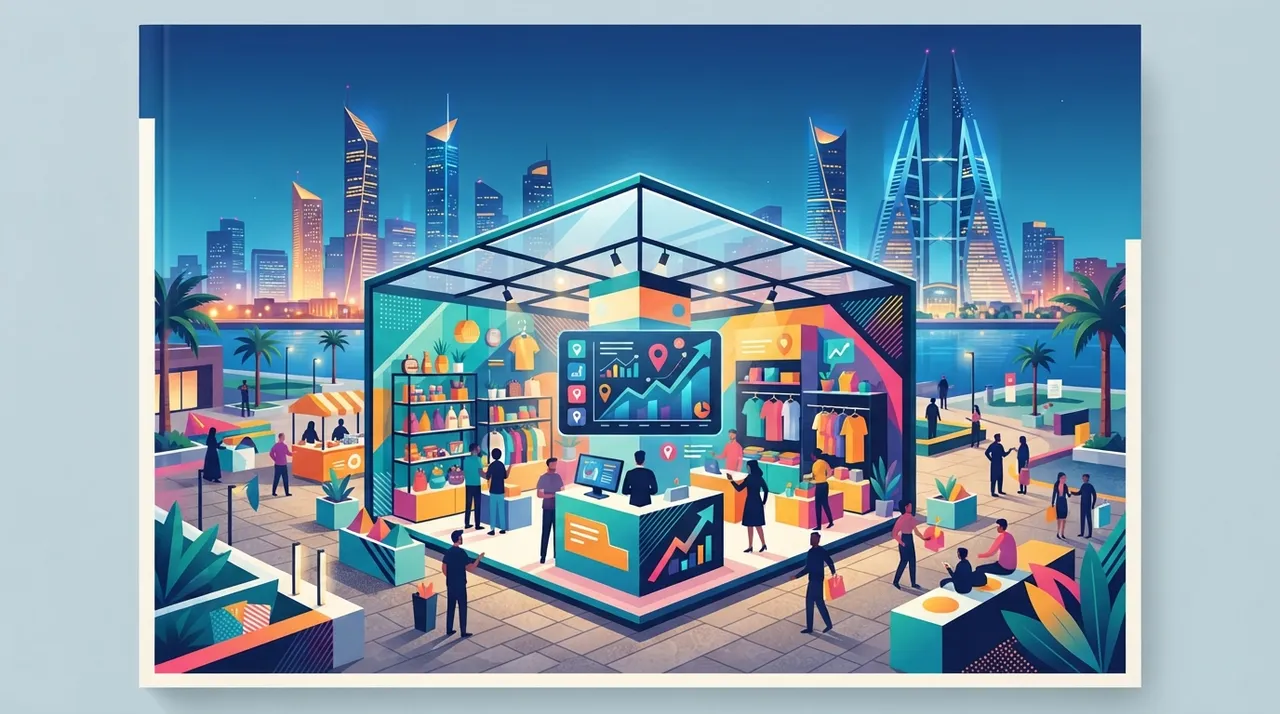
The project aims to establish a specialized online platform for renting high-cost products in the Sultanate of Oman. The platform targets two main customer segments: individuals who wish to use luxury or specialized products for specific occasions or for a limited period without bearing the full purchase cost, and businesses that need specialized equipment or tools for short-term projects or market testing. The business model is based on providing a diverse range of products such as advanced electronic devices, professional photography equipment, luxury sports tools, or even luxury fashion and accessories, offering economic flexibility and reducing waste. The opportunity lies in the growing interest in the sharing economy and environmental awareness, in addition to the e-commerce market growth in Oman exceeding 25% annually, providing a fertile environment for the growth of this type of service.
Market and Demand Study
The e-commerce market in the Sultanate of Oman is experiencing rapid growth, with the market size estimated at approximately 3.26 billion USD in 2026, with forecasts to reach 4.62 billion USD by 2031, at a compound annual growth rate of 7.22% from 2026 to 2031. This growth is driven by the high internet penetration rate exceeding 95% of the population, and the increased use of smartphones for online purchases (over 70% of purchases). Oman Vision 2040 also supports digital transformation and the development of the digital economy, creating a favorable environment for e-commerce businesses to flourish. Omani consumers prefer convenience and competitive pricing, with increasing trust in digital payments. Demand for high-cost products is also increasing, driven by rising disposable income and consumers' desire to experience luxury or specialized products that contribute to social status without needing to purchase them permanently.
Market Sizing (TAM / SAM / SOM)
The market sizing methodology relies on both a bottom-up and a top-down approach. In the top-down approach, the Total Addressable Market (TAM) was estimated based on total consumer spending in Oman and the percentage that e-commerce represents of total retail sales (currently 1% with significant growth potential). The Serviceable Available Market (SAM) focuses on luxury and high-cost products and services, taking into account increasing disposable income and consumer awareness of sustainable solutions. As for the Serviceable Obtainable Market (SOM), it was estimated based on the platform's initial operational capacity, projected penetration in the first year, and a modest market share achievable in a specialized sector. The focus was on tech-savvy youth who represent a significant portion of the population in Oman and prefer digital solutions, considering that Muscat is the main hub for digital commerce.
| Level | Annual Size | Description |
|---|---|---|
| TAM — Total Market | 1200.0 Million OMR | Total Addressable Demand |
| SAM — Available Market | 30.0 Million OMR | Segment your model reaches |
| SOM — Realistic Target | 3.0 Million OMR | Your realistic early share |
Sizing Basis: Total Addressable Market (TAM) was estimated based on total consumer spending in Oman and the growth of the e-commerce sector. The Serviceable Available Market (SAM) focuses on the high-value product segment, while the Serviceable Obtainable Market (SOM) represents a realistic share the platform can achieve in the initial years.
Unit Economics
Measures the profitability of each unit sale/customer — the most accurate feasibility indicator:
| Unit Indicator | Value |
|---|---|
| Sales Unit | Rental Operation |
| Avg. Price/Revenue per Unit | ١٥٠ OMR |
| Customer Acquisition Cost (CAC) | ٣٠ OMR |
| Customer Lifetime Value (LTV) | ٤٥٠ OMR |
| LTV/CAC Ratio | ١٥× (Healthy) |
| Contribution Margin | ٦٠٪ |
Competitive Analysis
The e-commerce market in Oman experiences moderate competition, with global platforms like Amazon and eBay, and regional platforms like Namshi and Noon. However, there is no dominant player specializing in high-cost product rentals. The platform's sustainable competitive advantage will focus on several axes: first, specialization in high-cost products and providing a unique selection that meets the needs of a specific market. Second, building trust and credibility by ensuring product quality and providing excellent customer service and transparent rental policies. Third, leveraging local partnerships with suppliers and retailers of luxury products to offer exclusive options. Fourth, focusing on a seamless user experience through an easy-to-use interface and an advanced mobile application, while supporting local payment options and efficient delivery methods.
Market Entry and Pricing Plan
The market entry and marketing plan includes a multi-channel strategy. Initially, the focus will be on digital marketing through social media (such as Instagram, Facebook, and LinkedIn due to their popularity in Oman), pay-per-click (PPC) campaigns on Google, and targeting keywords related to rentals and luxury products. Collaboration with local influencers will be pursued to increase awareness and build credibility. Marketing channels will also include content marketing through blogs and videos showcasing how to use products and the benefits of renting. Pricing will be competitive and flexible, with daily, weekly, and monthly rental options, in addition to special packages for businesses or events. Trial offers will be provided to attract early customers and loyalty programs for recurring users. The focus will be on a seamless user experience through a bilingual (Arabic and English) and mobile-optimized website, and providing diverse payment options including cash on delivery, digital cards, and mobile wallets.
Capacity and Operations
The platform will start with a capacity of 500 products and aims for gradual occupancy of 30% in the first year, then 50% in the second year, and 70% in the third year, with plans to expand the number and variety of products offered to gradually increase occupancy.
Daily operations include managing rental requests, verifying customer identities, inspecting products before and after each rental to ensure their safety, and managing delivery and collection operations. Reliable logistics companies in Oman will be contracted to ensure fast and efficient delivery and collection. The focus will be on providing exceptional customer service through multiple channels (phone, email, live chat) to resolve any inquiries or issues. Strict protocols will be applied to ensure the quality of products offered and their regular maintenance. Inventory management will be fully digital to ensure availability and avoid booking conflicts. A review and rating system will be established to enhance transparency and build customer trust.
Technical aspects include developing an online platform (website and mobile application) with an attractive and user-friendly interface, along with an inventory, booking, and payment management system. The latest technologies will be used to ensure security, speed, and scalability. The platform will be hosted on cloud servers to ensure high performance and availability. The physical location of the project will be a small administrative office with a secure warehouse for storing products. The warehouse will be chosen in a central area with easy access for logistics companies. The main product suppliers will be either authorized retailers of luxury brands, local agents, or specialized equipment providers, to ensure product quality and authenticity. Clear contracts will be established with suppliers to ensure product maintenance and availability.
Projected Income Statement (5 Years)
| Item \ Year | Y1 | Y2 | Y3 | Y4 | Y5 |
|---|---|---|---|---|---|
| Revenue | ٣٥٬٠٠٠ OMR | ٤٢٬٠٠٠ OMR | ٥٠٬٤٠٠ OMR | ٦٠٬٤٨٠ OMR | ٧٢٬٥٧٦ OMR |
| Cost of Sales | (١٤٬٠٠٠ OMR) | (١٦٬٨٠٠ OMR) | (٢٠٬١٦٠ OMR) | (٢٤٬١٩٢ OMR) | (٢٩٬٠٣٠ OMR) |
| Gross Profit | ٢١٬٠٠٠ OMR | ٢٥٬٢٠٠ OMR | ٣٠٬٢٤٠ OMR | ٣٦٬٢٨٨ OMR | ٤٣٬٥٤٦ OMR |
| Operating Expenses | (١٢٬٢٥٠ OMR) | (١٤٬٧٠٠ OMR) | (١٧٬٦٤٠ OMR) | (٢١٬١٦٨ OMR) | (٢٥٬٤٠٢ OMR) |
| EBITDA | ٨٬٧٥٠ OMR | ١٠٬٥٠٠ OMR | ١٢٬٦٠٠ OMR | ١٥٬١٢٠ OMR | ١٨٬١٤٤ OMR |
| Tax | (٠ OMR) | (٠ OMR) | (٠ OMR) | (١٨ OMR) | (٤٧٢ OMR) |
| Net Profit | -٦٬٢٥٠ OMR | -٤٬٥٠٠ OMR | -٢٬٤٠٠ OMR | ١٠٢ OMR | ٢٬٦٧٢ OMR |
| Net Margin | -١٨٪ | -١١٪ | -٥٪ | ٠٪ | ٤٪ |
Investment Cost Structure
| Item | Cost | Percentage |
|---|---|---|
| Platform and App Development | ٢٢٬٥٠٠ OMR | ٣٠٪ |
| Initial Product Purchase and Inventory | ١٨٬٧٥٠ OMR | ٢٥٪ |
| Marketing and Customer Acquisition | ١٥٬٠٠٠ OMR | ٢٠٪ |
| Operations and Logistics | ١١٬٢٥٠ OMR | ١٥٪ |
| Licenses and Legal Fees | ٣٬٧٥٠ OMR | ٥٪ |
| Administrative and Contingency Expenses | ٣٬٧٥٠ OMR | ٥٪ |
Cash Flow and Break-even Point
| Year | Operating Cash Flow | Cumulative Cash Flow |
|---|---|---|
| Year 1 | ٨٬٧٥٠ OMR | -٦٦٬٢٥٠ OMR |
| Year 2 | ١٠٬٥٠٠ OMR | -٥٥٬٧٥٠ OMR |
| Year 3 | ١٢٬٦٠٠ OMR | -٤٣٬١٥٠ OMR |
| Year 4 | ١٥٬١٠٢ OMR | -٢٨٬٠٤٨ OMR |
| Year 5 | ١٧٬٦٧٢ OMR | -١٠٬٣٧٦ OMR |
Estimated break-even point at annual revenue ≈ ٤٥٬٤١٧ OMR (~١٣٠٪ of first-year revenue), with a contribution margin of ٦٠٪. Cumulative cash break-even after the study horizon.
Funding Structure
| Funding Source | Percentage | Amount |
|---|---|---|
| Equity | ٧٠٪ | ٥٢٬٥٠٠ OMR |
| Debt Financing (6% Interest) | ٣٠٪ | ٢٢٬٥٠٠ OMR |
Sensitivity Analysis (Revenue × Operations)
Impact of combined changes in revenue and costs on Net Present Value:
| Revenue \ Operations | −10٪ | −5٪ | Base | +5٪ | +10٪ |
|---|---|---|---|---|---|
| −20٪ | -٢٢٬٢٧٩ OMR | -٢٩٬٤٤١ OMR | -٣٦٬٨٤٦ OMR | -٤٤٬٤٧٧ OMR | -٥٢٬١٠٨ OMR |
| −10٪ | -١٦٬١٥٤ OMR | -٢٤٬٠٥٧ OMR | -٣٢٬٢٠١ OMR | -٤٠٬٦٦٢ OMR | -٤٩٬٢٤٦ OMR |
| Base | -١٠٬١٢٩ OMR | -١٨٬٧٣٦ OMR | -٢٧٬٦١٣ OMR | -٣٦٬٨٤٦ OMR | -٤٦٬٣٨٥ OMR |
| +10٪ | -٤٬٢٥٠ OMR | -١٣٬٥٧٢ OMR | -٢٣٬١٦٨ OMR | -٣٣٬١٢١ OMR | -٤٣٬٥٢٣ OMR |
| +20٪ | ١٬٥٩٢ OMR | -٨٬٤٢٣ OMR | -١٨٬٧٣٦ OMR | -٢٩٬٤٤١ OMR | -٤٠٬٦٦٢ OMR |
Scenario Analysis
| Scenario | Probability | NPV | Assessment |
|---|---|---|---|
| Pessimistic | ٢٥٪ | -٤٢٬١٨٨ OMR | Not Feasible |
| Base | ٥٠٪ | -٢٧٬٦١٣ OMR | Not Feasible |
| Optimistic | ٢٥٪ | -١١٬٥٠٧ OMR | Not Feasible |
Expected Present Value (Weighted): -٢٧٬٢٣٠ OMR.
Risk Management and Analysis
| Risk | Probability | Impact | Mitigation |
|---|---|---|---|
| Low uptake of the rental model | Medium | High | Intensive awareness campaigns about the benefits of renting, offering attractive promotions, focusing on building trust and positive reviews. |
| Damage or loss of high-cost products | Medium | High | Implementing strict insurance policies, thorough inspection before and after rental, imposing security deposits on customers, clear liability contracts. |
| Competition from global or local platforms | Medium | Medium | Specialization in specific product categories, building a sustainable competitive advantage (service quality, user experience), strategic partnerships. |
| Logistical challenges (delivery and collection) | Medium | Medium | Contracting specialized and reliable logistics companies, improving tracking systems, defining clear service areas, providing flexible options. |
| Changes in government regulations | Low | Medium | Continuous monitoring of legislative changes, consulting legal advisors, building good relationships with regulatory bodies. |
Organizational Structure and Team
The organizational structure will initially consist of a small, multi-tasking team, including: a General/Executive Manager with experience in e-commerce and business administration, an Operations Manager to ensure smooth logistics and product management, a Digital Marketing Manager to increase awareness and attract customers, and Customer Service Representatives. As the project grows, the team will expand to include specialists in product development and information technology. Qualified Omani personnel will be sought to support the Omanization vision and comply with local regulations.
Legal and Regulatory Aspects
The project requires obtaining a general commercial license and registration as an e-commerce platform from the Ministry of Commerce, Industry and Investment Promotion (MoCIIP) in Oman. Commercial registration fees for small and medium enterprises range from 30 to 40 Omani Rials. Registration in the 'Maroof Oman' portal is also required to increase trust and credibility. In addition, compliance with consumer protection laws in Oman, which apply to online transactions, is necessary. The platform must include clear terms and conditions, a privacy policy, and a return policy. The project will also require VAT registration if annual revenues exceed 38,500 Omani Rials, as the tax rate is 5%.
Expansion and Sustainability Plan
Future expansion and sustainability plans include increasing the diversity of products offered to include new categories that meet different needs, and geographical expansion to cover wider areas within Oman. The possibility of partnering with individual owners to rent their products through the platform (P2P model) can also be explored after establishing strict quality control measures. Technologically, investment will be made in data analytics to understand customer behavior and improve services. Environmentally, the platform contributes to the circular economy by promoting reuse and reducing consumption, supporting sustainability.
Environmental, Social, and Governance (ESG) Impact
The project contributes positively to environmental sustainability by promoting the concept of the sharing economy and reducing excessive product consumption. Instead of buying a product that might be used for a short period, renting allows for more efficient use of resources, reducing plastic and electronic waste and mitigating the carbon footprint. Socially, the project provides more flexible and economical options for consumers, allowing them access to high-quality products they might not otherwise be able to afford. It can also create new job opportunities in operations, logistics, and customer service. In terms of governance, the platform will adhere to local regulations related to data protection and transparency in commercial transactions, and will work to build strong relationships with government and community entities to ensure compliance and social responsibility.
Conclusions and Recommendations
Based on the provided assumptions and analyses, the High-Cost Product Rental Platform in the Sultanate of Oman project has promising economic feasibility. The rapid growth of the e-commerce sector, government support for digital transformation, and increasing awareness of the sharing economy create an ideal environment for this type of business to flourish. Despite challenges related to competition and building trust, focusing on specialization, service quality, and effective digital marketing can ensure the platform a good market share and sustainable growth. The recommendation is to proceed with the project, focusing on building strategic partnerships and developing an excellent user experience.
Sources and Disclaimer
- Mordor Intelligence reports on the e-commerce market in Oman
- Reports of the Public Authority for Small and Medium Enterprises (Riyada)
- Omani government websites (Ministry of Commerce and Industry, Tax Authority)
- Analyses and consultations by companies specializing in the Omani market
- Central Bank of Oman data on interest rates
Disclaimer: This is a guiding study based on assumptions and sector standards at the time of preparation; verify the figures locally before any investment decision.