
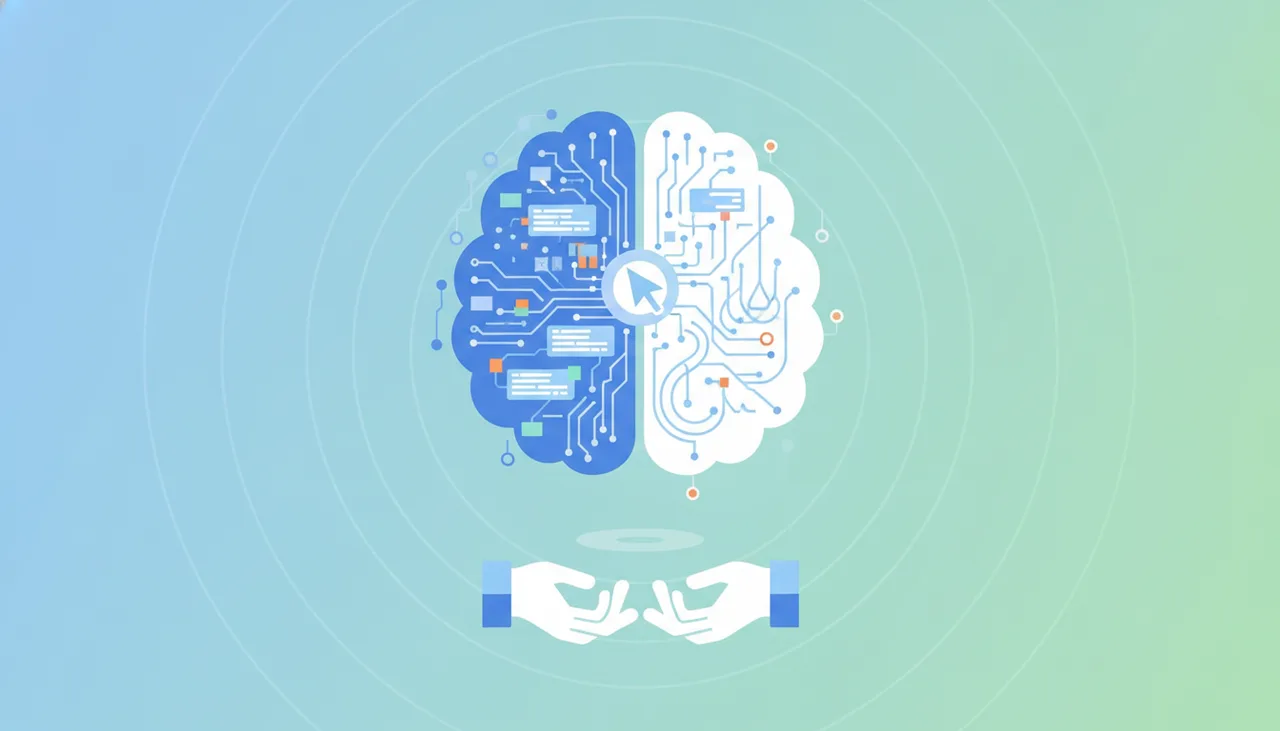
What is OpenAI Codex?
OpenAI Codex is an advanced artificial intelligence model developed by OpenAI. It is derived from GPT-3 but has been specifically trained on a massive amount of public source code in addition to natural language. This specialized training gives it the unique ability to understand and generate programming code in multiple languages based on natural language instructions. It can transform descriptive ideas into functional code, and vice versa.
Why it helps
- Accelerate Development: Allows developers to write code faster by translating textual commands into ready-to-use code.
- Simplify Complex Tasks: Helps automate routine or complex programming tasks that might otherwise take a long time to complete manually.
- Support for Multiple Programming Languages: Codex supports a wide range of programming languages, making it a versatile tool for developers across various disciplines.
- Enhance Accessibility to Programming: Can lower the barrier for non-programmers to create simple applications or automate their tasks by describing what they want in natural language.
- Assist in Code Understanding: Can explain parts of programming code in natural language, aiding in the comprehension of complex systems or code written by others.
How to get value
- Generate Code from Description: Use it to write functions or entire scripts by describing what you need in natural language, such as “write a Python function to sort a list of numbers.”
- Convert Code Between Languages: In some cases, it can help convert code snippets from one programming language to another, facilitating migration or adaptation.
- Debug and Suggest Improvements: Codex can offer suggestions for fixing errors in your code or for improving its efficiency and performance.
- Create Unit Tests: Ask it to generate unit tests for your code functions to ensure they work correctly.
- Automate Repetitive Tasks: Use it to write scripts for automating repetitive tasks in your development environment, such as data processing or report generation.





Comments 0
No comments yet — be the first to share your thoughts.
Share your thoughts
To comment, sign in first — we email you a one-time code (no password). This keeps the discussion clean.
Sign in to comment →