
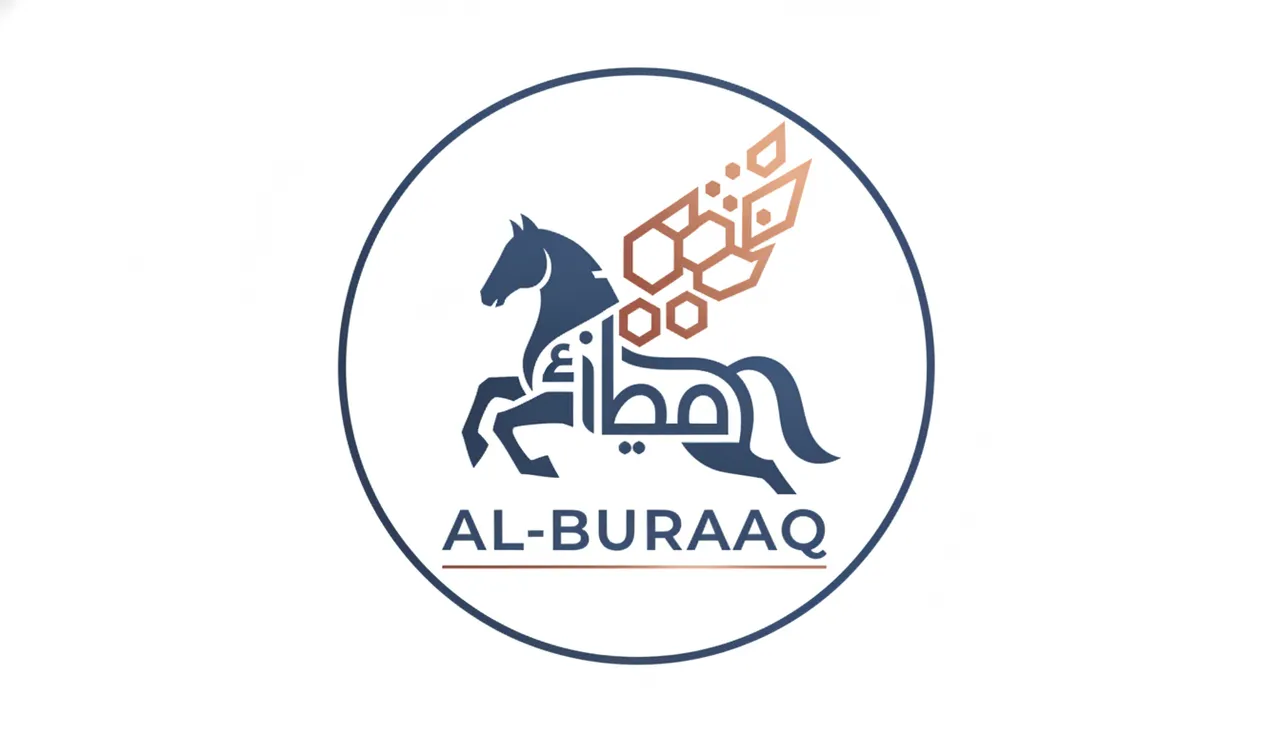
The idea
In today's fast-paced world, brands are seeking ways to differentiate themselves and connect deeply with their audience. The 'Heritage & Modernity Fusion' trend emerges as a creative solution, relying on blending symbols, colors, and fonts inspired by rich cultural heritage (whether local, regional, or global) with contemporary, minimalist design touches. This trend is popular because it imbues a brand with a sense of authenticity, depth, and connection to its roots, while maintaining a modern appeal that attracts a wide audience. It creates a visual story that resonates with consumers who appreciate authenticity while also seeking innovation and progress.
How to apply it
- Identify Core Heritage Elements: Start by identifying the heritage aspects you wish to integrate. Are they architectural geometric patterns, traditional arts, ancient Arabic calligraphy, local animal or plant symbols, distinctive colors of a specific heritage, or even shapes of traditional tools? Choose elements that carry rich meaning and history.
- Simplify and Abstract Heritage Elements: Do not aim to literally reproduce heritage, but rather simplify and abstract it to suit modern logo design. Transform complex shapes into clean lines, abstract repetitive patterns, or symbolic icons. The goal is to retain the heritage essence in a contemporary manner.
- Introduce Modern Touches: Use clean, modern fonts (Sans-serif or other contemporary typefaces), simple and refreshing colors (or modern color gradients), and effective use of negative space. The integration can be in the overall layout of the logo or in how heritage icons are combined with modern text.
- Carefully Choose a Color Palette: Colors can be inspired by the heritage itself (e.g., earthy tones, spice colors, traditional fabric colors), then adjusted to be more vibrant or subdued to fit a modern aesthetic. Alternatively, you can use a contemporary color palette that highlights the heritage element.
- The Story Behind the Logo: The logo should tell a story. How does it connect the past and the present? What message does this fusion convey? This adds depth and meaning to the logo beyond just being a beautiful design.
- Balance and Flexibility: Ensure the logo is visually balanced, and that its heritage and modern elements do not compete but complement each other. The logo should be flexible and applicable across various platforms and media, from websites and social media to print and signage.
Prompt to recreate the image
To generate a similar image yourself, use this prompt in your favorite image generator:
Create a logo for a modern brand that beautifully fuses traditional Middle Eastern heritage with contemporary design principles. The logo should incorporate elements like ancient Arabic calligraphy, geometric Islamic patterns, or cultural symbols, but rendered in a clean, minimalist, and sleek style. The color palette should be sophisticated and modern, possibly with a muted primary color contrasted with a subtle accent, or a vibrant contemporary gradient. The overall aesthetic should evoke a sense of authenticity, history, and rootedness, yet feel fresh, innovative, and globally appealing. Think about how the brand tells a story of bridging the past and the future. Focus on elegant typography and thoughtful negative space. The logo should be versatile for digital and print use.


Comments 0
No comments yet — be the first to share your thoughts.
Share your thoughts
To comment, sign in first — we email you a one-time code (no password). This keeps the discussion clean.
Sign in to comment →