
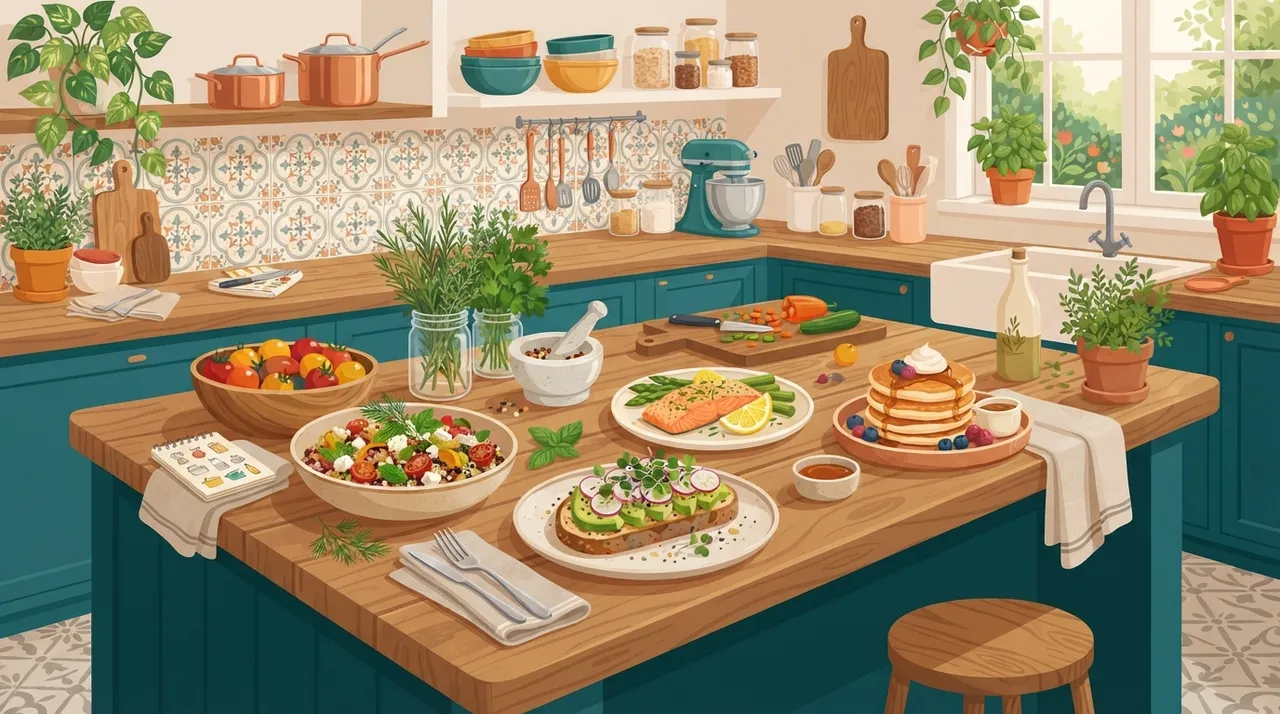
The idea of turning a passion for cooking into a profitable home restaurant has never been more accessible. With the rise of digital platforms and increasing demand for unique culinary experiences, 2026 presents an ideal landscape for home chefs to thrive. This guide will walk you through the essential steps to launch and manage a successful home-based food business, focusing on practical, actionable strategies.
Understanding the Home Restaurant Landscape
A home restaurant, often referred to as a cottage food operation or micro-enterprise kitchen, allows individuals to prepare and sell food from their residential kitchens. Regulations vary significantly by region and country, so the first critical step is to understand the legal framework specific to your location. This typically involves health permits, business licenses, and adherence to food safety standards. Many jurisdictions now offer specific classifications for home-based food businesses, simplifying the process.
- Legal Compliance: Research local health department regulations and business licensing requirements. Websites of local government agencies are the best starting point.
- Target Market: Identify who you want to serve. Are you focusing on healthy meals, specific cuisines, or baked goods? Understanding your niche will shape your menu and marketing.
- Business Model: Decide on your operational structure. Will you offer pick-up, local delivery, or cater small events?
Developing Your Menu and Brand
Your menu is the heart of your home restaurant. Focus on dishes you excel at and that can be consistently prepared to a high standard. Consider seasonal ingredients to keep costs down and freshness high. Branding extends beyond a logo; it's about the entire experience you offer, from packaging to customer service.
- Signature Dishes: Start with a limited menu of 3-5 high-quality dishes that showcase your unique culinary style.
- Costing and Pricing: Accurately calculate ingredient costs, labor, and overhead to set competitive yet profitable prices.
- Branding Identity: Develop a memorable name, logo, and consistent visual theme. This can be done affordably using online design tools.
For example, if you specialize in authentic Lebanese cuisine, your branding could evoke traditional motifs, and your packaging might include a small, handwritten note about the dish's heritage, adding a personal touch that larger restaurants often miss.
Marketing and Reaching Your Customers
In 2026, digital marketing is indispensable for a home-based business. Social media platforms, local community groups, and food delivery apps are powerful tools to reach potential customers.
- Social Media Engagement: Use platforms like Instagram and Facebook to share high-quality photos and videos of your dishes, behind-the-scenes glimpses, and customer testimonials.
- Local SEO: Optimize your online presence for local searches. Ensure your business is listed on Google My Business and local directories.
- Partnerships: Collaborate with local businesses, such as specialty grocery stores or craft markets, to cross-promote.
- Food Delivery Platforms: Consider listing your offerings on popular food delivery apps, but be mindful of commission fees.
Operational Efficiency and Customer Service
Managing orders, production, and delivery efficiently is crucial. Excellent customer service builds loyalty and generates positive word-of-mouth.
- Order Management System: Use simple online tools or even a spreadsheet to track orders, inventory, and delivery schedules.
- Packaging: Invest in attractive, eco-friendly, and functional packaging that keeps food fresh and presentable.
- Feedback Loop: Actively solicit customer feedback and use it to improve your offerings and service.
Practical Steps to Launch Your Home Restaurant
Here’s a step-by-step guide to get your home restaurant off the ground:
- Legal & Licensing Check: Contact your local health department and business licensing office to understand and fulfill all necessary permits and regulations. This is paramount for avoiding future legal issues.
- Kitchen Setup & Safety: Ensure your kitchen meets all hygiene and safety standards. This might involve designated food preparation areas and proper storage.
- Menu Creation & Sourcing: Finalize your initial menu. Identify reliable suppliers for high-quality, cost-effective ingredients. Prioritize local and seasonal options where possible.
- Pricing Strategy: Calculate your costs meticulously and set prices that cover expenses and yield a reasonable profit margin. Consider different pricing tiers for family meals versus individual portions.
- Brand Development: Create a unique brand identity (name, logo, story). This will differentiate you in the market.
- Online Presence: Set up social media profiles (Instagram, Facebook) and a simple website or an online ordering system. Showcase your food with professional photos.
- Marketing Launch: Announce your opening through social media, local community groups, and perhaps a small launch offer.
- Order & Delivery System: Establish a clear process for taking orders, preparing food, and managing pick-up or delivery. Tools like WhatsApp Business or dedicated online ordering platforms can be helpful.
- Customer Feedback & Iteration: After launch, actively collect feedback. Use it to refine your menu, improve service, and adapt to customer preferences.
Starting a home restaurant is a journey that combines culinary skill with entrepreneurial spirit. By focusing on legal compliance, a strong brand, effective marketing, and excellent customer service, you can build a thriving business right from your kitchen.








Comments 0
No comments yet — be the first to share your thoughts.
Share your thoughts
To comment, sign in first — we email you a one-time code (no password). This keeps the discussion clean.
Sign in to comment →