

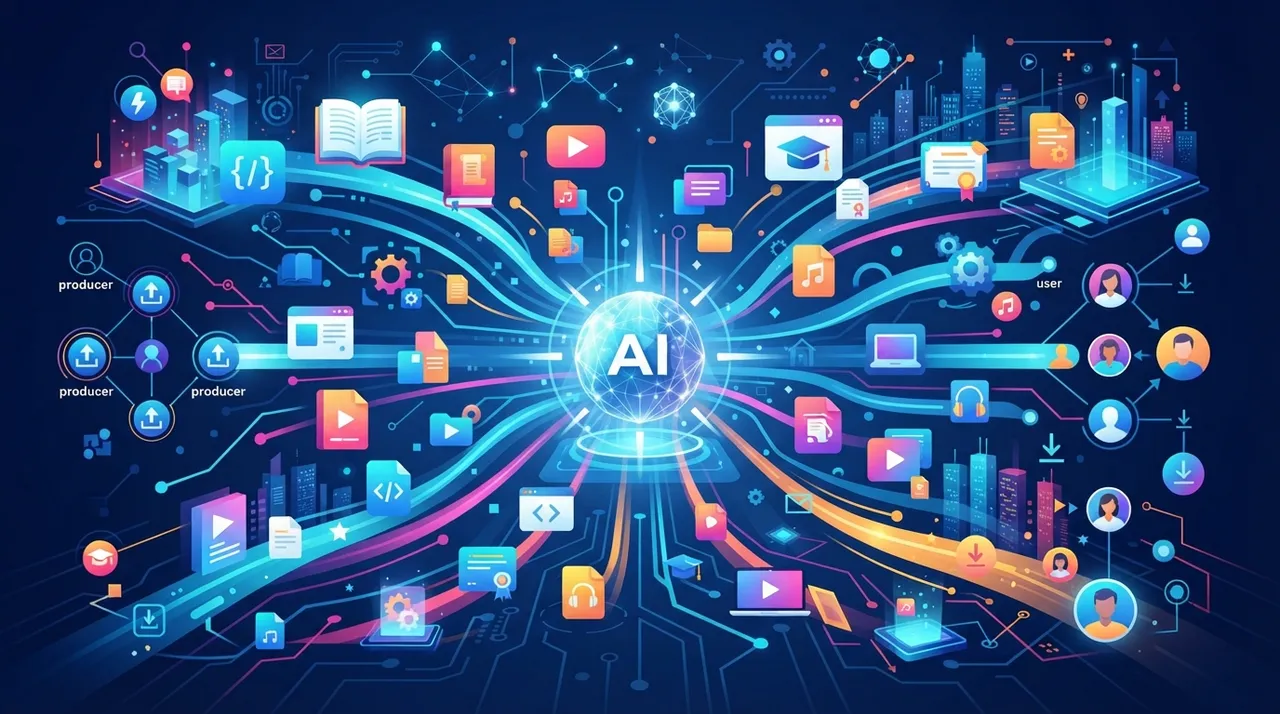
The convergence of artificial intelligence and Islamic content creation presents a unique opportunity for entrepreneurs and content creators. With AI tools becoming increasingly sophisticated in 2026, it's possible to generate high-quality, authentic, and engaging content that caters to a global Muslim audience. This article outlines five practical strategies to not only create valuable Islamic digital products but also to effectively monetize them.
AI-Powered Quranic Study Tools and Apps
Developing AI-driven applications for Quranic study can attract a significant user base. These tools can offer personalized learning experiences, improve memorization, and provide deeper insights into the text.
- Personalized Recitation Feedback: AI can analyze a user's recitation of the Quran, providing immediate feedback on pronunciation (tajweed) and fluency. This can be implemented through voice recognition and machine learning algorithms trained on expert recitations.
- Contextual Tafsir (Exegesis): AI models can be trained on vast libraries of classical and contemporary tafsir to generate context-aware explanations of Quranic verses, helping users understand their meaning and historical background.
- Interactive Memory Aids: Gamified apps using AI can adapt to a user's memorization progress, offering personalized quizzes and repetition schedules to help them commit verses to memory.
Automated Islamic Educational Content Platforms
AI can automate the creation and delivery of educational content, making Islamic knowledge more accessible and engaging. This can range from short-form videos to comprehensive online courses.
- AI-Generated Explainer Videos: Use AI video creation tools to produce short, engaging videos on various Islamic topics, such as the lives of prophets, Islamic ethics, or historical events. These tools can generate scripts, voiceovers, and even visual elements.
- Personalized Learning Paths: AI can tailor educational content to individual learning styles and preferences. For instance, a platform could recommend articles, videos, or quizzes based on a user's previous interactions and progress.
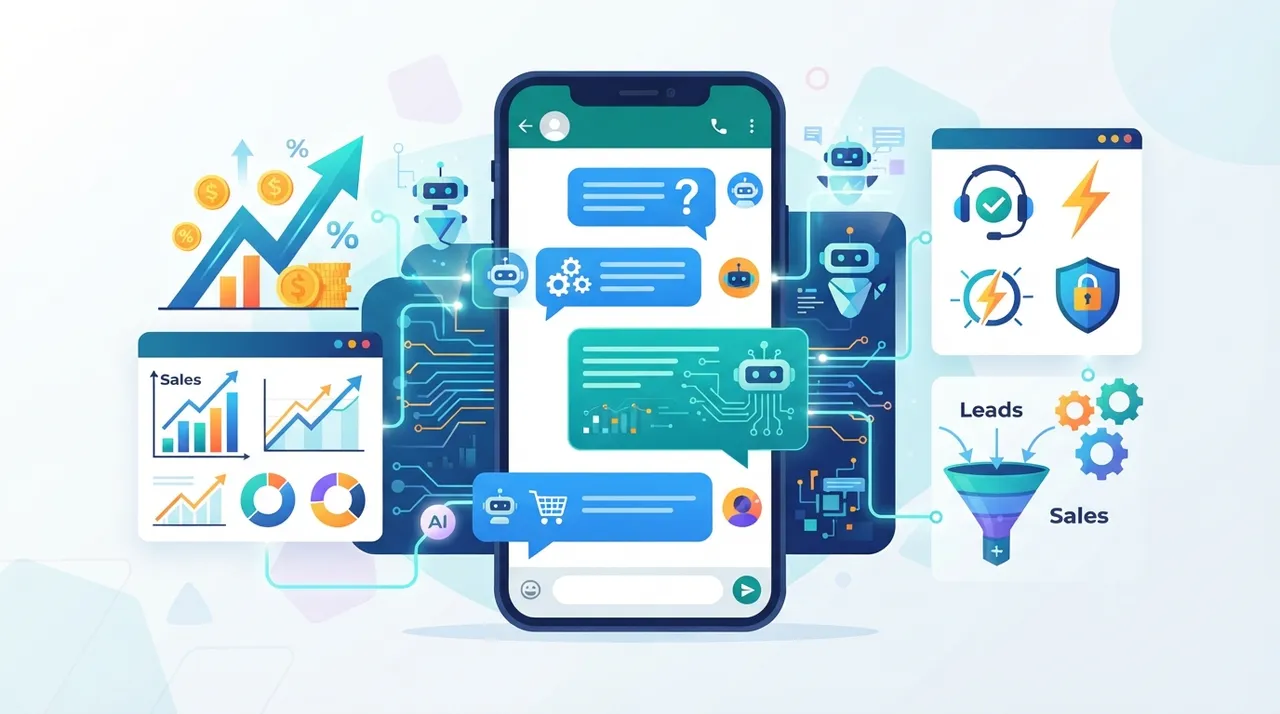
- Interactive Q&A Bots: Deploy AI chatbots trained on Islamic texts and scholarly opinions to answer user questions instantly, providing immediate access to information on a wide range of topics.
Monetizing AI-Generated Islamic Art and Design
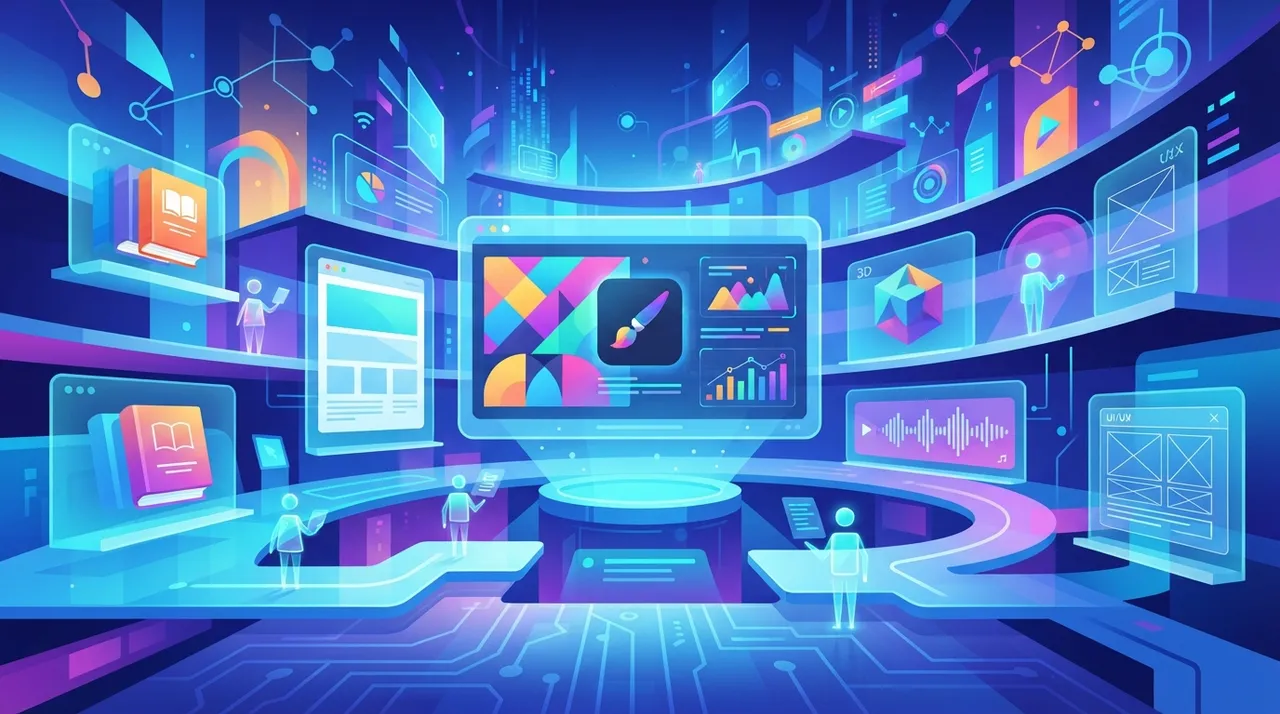
The aesthetic appeal of Islamic art and design can be enhanced and scaled through AI, opening up new avenues for digital product sales.
- Unique Calligraphy and Patterns: AI algorithms can generate intricate Islamic calligraphy and geometric patterns. These designs can then be sold as digital prints, templates for physical products, or integrated into digital assets like website themes or app interfaces.
- Customized Digital Artwork: Offer personalized AI-generated Islamic art pieces where users can input specific verses or themes, and the AI creates a unique visual interpretation. This can be a premium service.
- AI-Enhanced Product Mockups: Use AI to generate realistic mockups of products (e.g., mugs, t-shirts, phone cases) featuring Islamic designs, allowing creators to showcase their digital art more effectively before production.
AI-Driven Islamic Lifestyle and Wellness Guides
AI can assist in creating content that supports a holistic Islamic lifestyle, focusing on well-being, mindfulness, and daily practices.
- Personalized Prayer Time Reminders with Context: Beyond simple reminders, AI can integrate local prayer times with relevant Quranic verses or Hadith, offering spiritual encouragement throughout the day.
- Halal Diet and Nutrition Planners: AI can generate personalized meal plans adhering to halal dietary guidelines, taking into account individual health goals and preferences. This can be offered as a subscription service.
- Mindfulness and Dhikr (Remembrance of God) Applications: Develop apps that use AI to guide users through Dhikr practices, offering personalized reflections and tracking progress, promoting spiritual well-being.
Practical Steps to Launch and Monetize
- Identify Your Niche: Determine a specific area within Islamic content creation where you can offer unique value. Is it education, art, lifestyle, or tools?
- Choose Your AI Tools: Select AI platforms and software that align with your content creation goals. This could include text generators, image generators, video creation tools, or voice AI.
- Develop High-Quality Content: Focus on creating content that is accurate, authentic, and engaging. Even with AI, human oversight and curation are crucial to ensure theological correctness and cultural sensitivity.
- Select a Monetization Model: Consider various approaches such as subscription models (for apps or premium content), one-time sales (for digital art or courses), affiliate marketing (for recommended products), or advertising (for free content platforms).
- Market Your Products: Utilize digital marketing strategies, including social media marketing, SEO, and targeted advertising, to reach your intended audience.
By thoughtfully integrating AI into Islamic content creation, entrepreneurs can unlock significant opportunities to serve a global community while building sustainable digital businesses in 2026.

Comments 0
No comments yet — be the first to share your thoughts.
Share your thoughts
To comment, sign in first — we email you a one-time code (no password). This keeps the discussion clean.
Sign in to comment →