

The debate between working as a freelancer and holding a traditional job is more relevant than ever in 2026, especially with the evolving digital economy. There's no single right answer, as the optimal path depends on individual circumstances, aspirations, and risk tolerance. This guide provides a structured approach to evaluating your options, helping you make a decision that aligns with your personal and professional objectives.
Understanding Your Financial Landscape
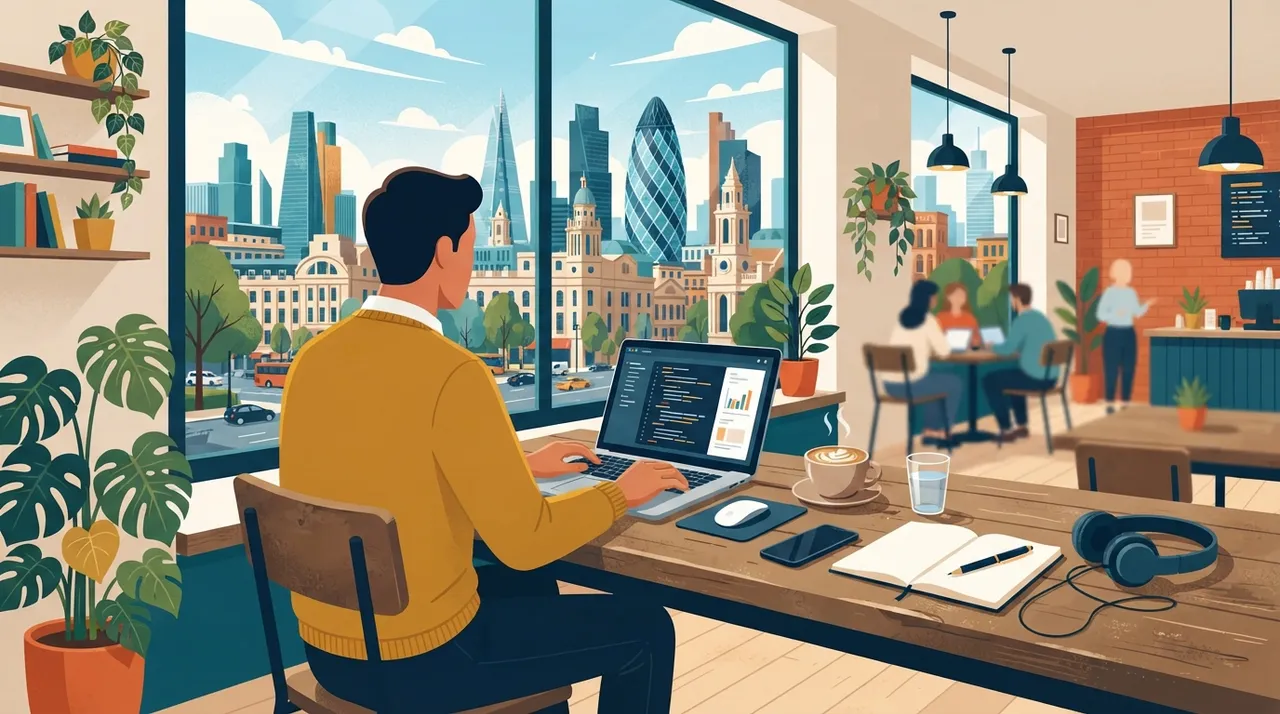
Financial stability is often the primary concern when considering a career shift. For freelancers, income can be variable, directly tied to the number of projects, client rates, and market demand for their skills. This requires robust financial planning, including saving an emergency fund and managing cash flow. Conversely, a traditional job typically offers a stable, predictable salary, along with benefits like health insurance, retirement plans, and paid time off. Evaluate your current financial obligations, your comfort with income fluctuation, and your ability to manage financial uncertainty.
- Stability vs. Potential: Weigh the security of a fixed income against the potential for higher earnings and greater control over your rates as a freelancer.
- Benefits: Consider the value of employer-provided benefits, which can be significant and costly to replicate independently.
Work-Life Balance and Flexibility
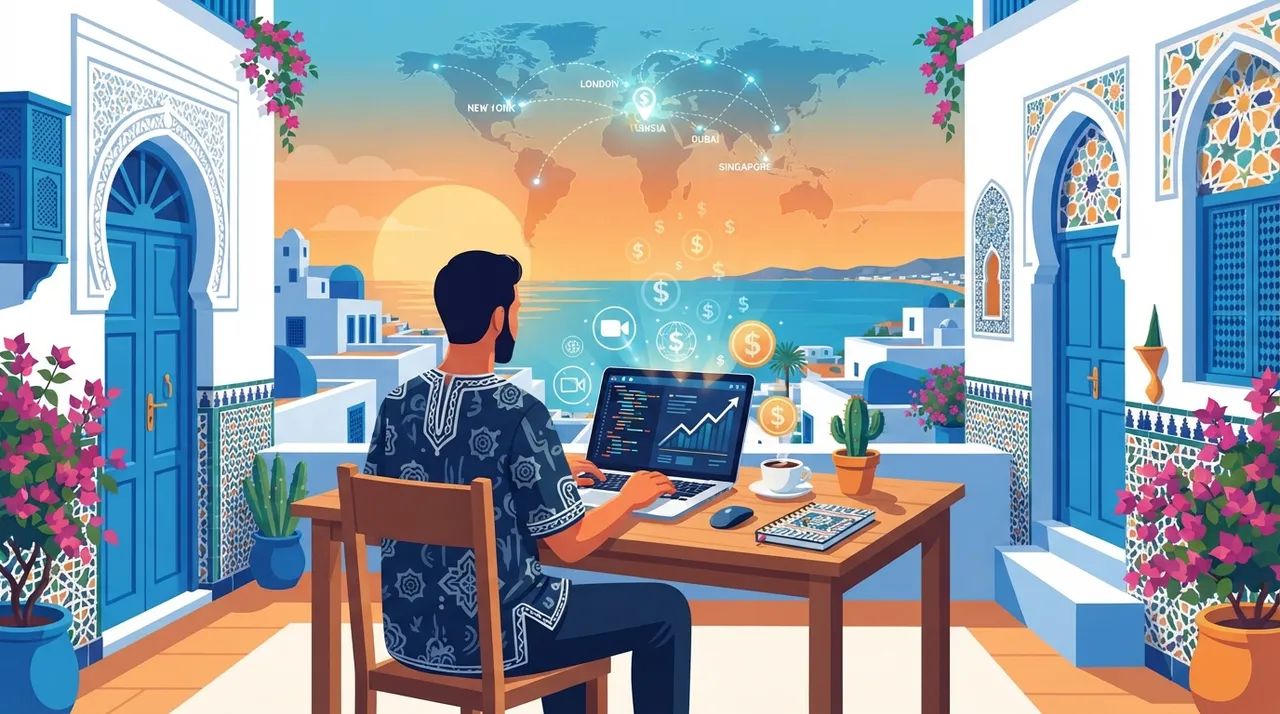
One of the most appealing aspects of freelancing is the flexibility it offers. Freelancers often have control over their working hours, location, and the projects they undertake, which can lead to a better work-life balance. However, this flexibility often comes with the need for strong self-discipline and the challenge of setting boundaries. Traditional employment, while less flexible, often provides a clearer separation between work and personal life, with defined working hours and vacation policies. Assess what kind of lifestyle you prioritize and how much autonomy you need to thrive.
Skill Development and Career Growth
Both freelancing and traditional employment offer opportunities for skill development, though through different avenues. In a traditional job, you might have access to structured training programs, mentorship, and clear career progression paths. Freelancing, on the other hand, forces you to become a multi-faceted professional, handling not just your core service but also marketing, sales, and client management. This self-driven learning can lead to rapid skill acquisition across diverse areas. Consider which environment best supports your learning style and long-term career aspirations.
Market Demand for Your Expertise
Before making a switch, it's crucial to assess the current market demand for your skills. Research what types of freelancers are in demand, what rates they command, and how saturated the market is. Platforms like LinkedIn and specialized freelance marketplaces (e.g., Upwork, Fiverr) can provide insights into current trends. For traditional jobs, understanding industry growth and employer needs is equally important. A strong demand for your expertise will significantly ease your transition and increase your chances of success in either path.
Long-Term Career Goals and Personal Values
Ultimately, your decision should align with your long-term career goals and personal values. Do you aspire to build your own brand and business, or do you prefer to contribute to a larger organization's vision? Are you driven by autonomy and creative freedom, or do you value collaboration and a sense of team belonging? Reflect on what truly motivates you and what kind of legacy you want to build. This self-reflection will be a powerful compass in guiding your choice.
Practical Steps to Evaluate Your Options:
- Self-Assessment: List your core skills, passions, financial needs, and preferred work environment.
- Market Research: Investigate demand for your skills in both freelance and employment markets. Use platforms like LinkedIn for job trends and Upwork for freelance rates.
- Network: Talk to people currently freelancing and those in traditional roles to understand their experiences.
- Trial Period (if possible): Consider taking on a small freelance project while still employed to test the waters.
Making the choice between freelancing and a traditional job is a significant life decision. By systematically evaluating these five critical factors, you can approach this crossroads with clarity and confidence, paving the way for a fulfilling and prosperous career path in 2026 and beyond.



Comments 0
No comments yet — be the first to share your thoughts.
Share your thoughts
To comment, sign in first — we email you a one-time code (no password). This keeps the discussion clean.
Sign in to comment →