
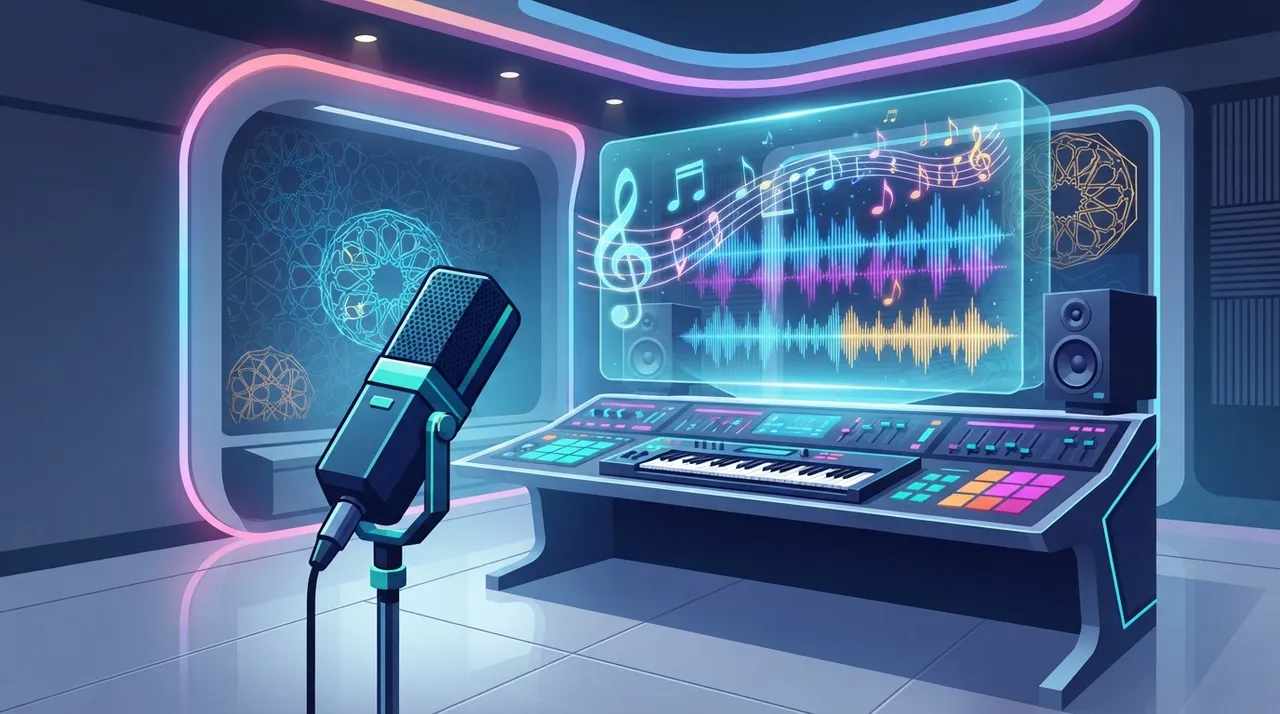
The intersection of artificial intelligence and music offers unprecedented opportunities for artists, producers, and content creators. For fans of legendary artists such as Mayhad Hamad, AI presents a unique path to not only analyze their iconic style but also to generate new compositions and vocal performances that echo their distinctive sound. This article dives into the practical application of AI in music creation, specifically focusing on how to leverage these tools to produce content inspired by a particular artist's style.
Understanding AI in Music Generation
AI's role in music production extends from algorithmic composition to sophisticated voice synthesis. Deep learning models can analyze vast datasets of musical pieces, identifying patterns in melody, harmony, rhythm, and timbre. When applied to a specific artist, these models learn the nuances that define their unique sound. This isn't about replication, but rather about understanding the core elements to create original works that resonate with that artistic signature.
Key AI Capabilities for Music
- Algorithmic Composition: AI can generate instrumental tracks, chord progressions, and melodies based on learned musical styles.
- Voice Synthesis/Cloning: Advanced AI can analyze vocal recordings and generate new speech or singing in a similar voice, capturing inflections and vocal characteristics.
- Style Transfer: Applying the stylistic elements of one piece of music or vocal performance to another.
- Mastering and Production Assistance: AI tools can help with audio mixing, mastering, and even suggesting improvements to arrangements.
Practical Steps to Generate Music and Vocals with AI
Creating AI-generated music and vocals in the style of an artist like Mayhad Hamad involves several stages, combining technical execution with creative direction. It's crucial to approach this process ethically, respecting copyright and intellectual property.
-
Data Acquisition and Preparation
To train an AI model, you need a substantial dataset of the artist's work. For vocal modeling, this means isolating clean vocal tracks from their songs. For instrumental composition, it involves analyzing their complete musical catalog to understand their preferred scales, chord progressions, and instrumentation. The quality and diversity of your input data directly impact the AI's output.
-
Selecting AI Tools for Composition
Numerous AI music generation platforms are available. Tools like Amper Music or AIVA can assist in generating instrumental backings. These platforms often allow you to specify genre, mood, and even instrumentation. You would input parameters reflecting Mayhad Hamad's musical style, such as common melodic patterns or rhythmic structures found in his work.
-
Voice Modeling and Synthesis
This is arguably the most complex and sensitive part. Specialized AI voice cloning services, such as ElevenLabs or Descript, can create models of voices. You would feed these tools high-quality audio samples of the artist's singing. The AI then learns to mimic the timbre, pitch, and emotional delivery. It's important to note that ethical considerations and legal permissions are paramount when working with an artist's voice.
-
Arrangement and Production
Once you have AI-generated instrumental tracks and synthesized vocals, the next step is to combine them into a cohesive piece. This involves traditional music production techniques: mixing, mastering, and arranging the various elements. You might need to adjust the AI-generated parts to ensure they flow naturally and adhere to the artistic vision.
-
Refinement and Iteration
AI is a powerful assistant, but human artistic input remains essential. Listen critically to the AI-generated output. Does it capture the essence of Mayhad Hamad's style? Are there areas for improvement in melody, vocal delivery, or instrumentation? Iterate on your prompts and settings within the AI tools, and refine the production until you achieve the desired result.
-
Ethical Considerations and Distribution
Generating new content in the style of an existing artist raises important questions about originality, copyright, and artistic intent. If you plan to distribute your AI-generated music, ensure you have the necessary permissions or clearly label it as AI-generated and inspired by the artist, rather than purporting it to be an authentic work. Platforms like YouTube and SoundCloud are becoming more adept at identifying AI-generated content, and transparency is key.
Monetization and Creative Opportunities
Beyond personal enjoyment, AI-generated music and vocals offer several monetization avenues for content creators:
- Background Music: Create unique, style-specific background music for videos, podcasts, or games without traditional licensing hurdles (if the source material is free from copyright or you have appropriate licenses).
- Custom Jingles and Soundtracks: Offer bespoke musical compositions tailored to client needs, drawing from a vast array of learned styles.
- Experimental Art Projects: Develop innovative musical experiences that blend human creativity with AI capabilities, potentially leading to new artistic genres.
- Educational Content: Use AI to demonstrate musical theory or stylistic analysis by generating examples in various artist's styles.
The future of music creation is increasingly collaborative, with AI acting as a sophisticated co-creator. By understanding its capabilities and applying it responsibly, you can unlock new dimensions of musical expression and potentially significant income streams.




Comments 0
No comments yet — be the first to share your thoughts.
Share your thoughts
To comment, sign in first — we email you a one-time code (no password). This keeps the discussion clean.
Sign in to comment →