
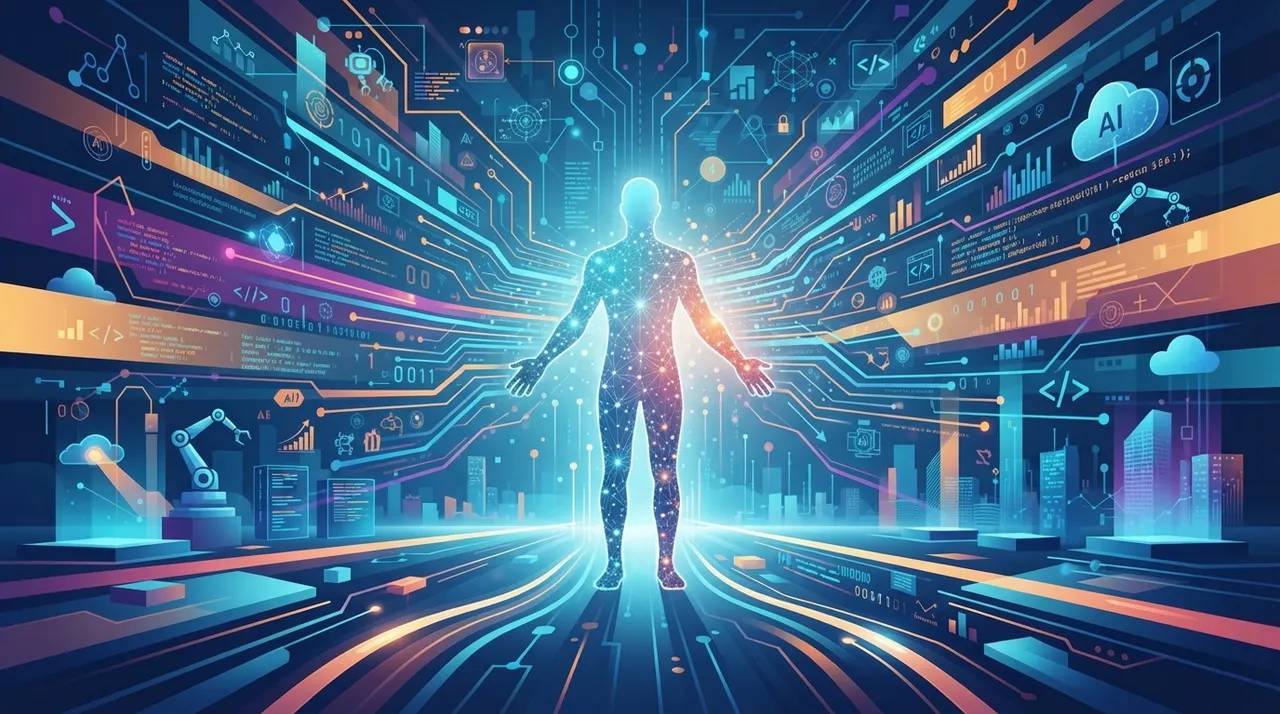
In today's rapidly evolving digital landscape, simply offering a great product or service is no longer enough for success. Consumers in 2026 expect deeply personalized experiences, going beyond merely addressing them by name in an email. This is where AI-powered hyper-personalization emerges as a driving force for startups, transforming how they interact with their customers and achieving unprecedented growth.
What's New
Hyper-personalization refers to the use of real-time data, artificial intelligence (AI), and predictive analytics to deliver individualized experiences tailored to each customer at every touchpoint. This concept goes beyond traditional personalization, which relies on broad audience segments; it focuses on a deep understanding of customer behavior, preferences, and current circumstances. Startups are now heavily leveraging AI to generate personalized content, predict customer behavior, and optimize messaging across various channels in real time.
AI agents, which not only assist but also take autonomous actions to solve customer issues, are a new trend in this field. They are expected to autonomously resolve 80% of common customer service issues by 2029. This means startups can provide autonomous, fast, 24/7 customer support while maintaining personalization and effectiveness.
Why It Matters
Hyper-personalization is crucial for startups for several fundamental reasons. First, it significantly increases customer engagement; when customers receive messages relevant to their interests, they are more likely to interact with the brand. Second, it drives sales, as personalized recommendations and timely offers encourage customers to make purchases. Third, it fosters loyalty; customers who feel understood and valued tend to return to a brand repeatedly.
Companies implementing hyper-personalization strategies gain clear competitive advantages, with revenue increases exceeding 40% compared to competitors using traditional methods. These strategies also contribute to reducing customer acquisition costs, improving conversion rates, and decreasing churn rates by up to 28%. With the global hyper-personalization market projected to grow to $49.6 billion by 2029, adopting these technologies is essential for survival and prosperity in the highly competitive startup market.
Real-world Examples:
- Self-service Customer Support: Many startups, such as My AskAI and Aissist, use AI tools to provide instant and efficient customer support, resolving approximately 72% of repetitive tickets automatically. These tools significantly reduce support costs and response times.
- Targeted Marketing: Companies leverage AI to analyze demand signals and track micro-trends in niche communities, allowing them to tailor highly personalized marketing campaigns. AI agents can draft hyper-personalized emails referencing recent news events for prospects, reducing sales cycle time by 50%.
- Personalized Recommendations: E-commerce platforms and social media rely on AI to provide personalized product and content recommendations for each user, based on browsing and purchase history, increasing sales opportunities and engagement.
How Readers Can Practically Benefit (Tools/Steps):
To benefit from AI-powered hyper-personalization, readers can follow these practical steps:
- Identify Customer Journey Friction Points: Start by identifying stages where customers face difficulties or where their experience can be significantly improved. Use customer journey analytics tools to pinpoint these areas.
- Collect Real-time Customer Data: Invest in Customer Relationship Management (CRM) systems and Customer Data Platforms (CDPs) that can collect and analyze behavioral and interest data in real time.
- Choose Appropriate AI Tools: Look for AI tools that fit your budget and needs, such as:
- AI Customer Service Tools: Like My AskAI or Aissist for answering repetitive inquiries and providing instant support.
- AI Personalization Platforms: Such as Beam AI or Intercom Fin AI for creating personalized experiences across different channels.
- Marketing Automation Tools: That integrate AI to craft personalized messages and identify target audiences.
- Start with Focused Use Cases: Don't try to apply hyper-personalization to everything at once. Begin with specific, measurable use cases, such as optimizing abandoned cart emails or delivering personalized product recommendations.
- Measure and Continuously Improve Results: Use Key Performance Indicators (KPIs) like conversion rates, customer engagement, and churn rate to assess the effectiveness of your strategies. Be prepared to experiment and adapt based on data.
AI-powered hyper-personalization is not just a fleeting trend; it's a fundamental shift in how startups build strong and sustainable relationships with their customers. By embracing these technologies, startups can create unforgettable experiences, drive significant growth, and secure their place in the digital future.



Comments 0
No comments yet — be the first to share your thoughts.
Share your thoughts
To comment, sign in first — we email you a one-time code (no password). This keeps the discussion clean.
Sign in to comment →