
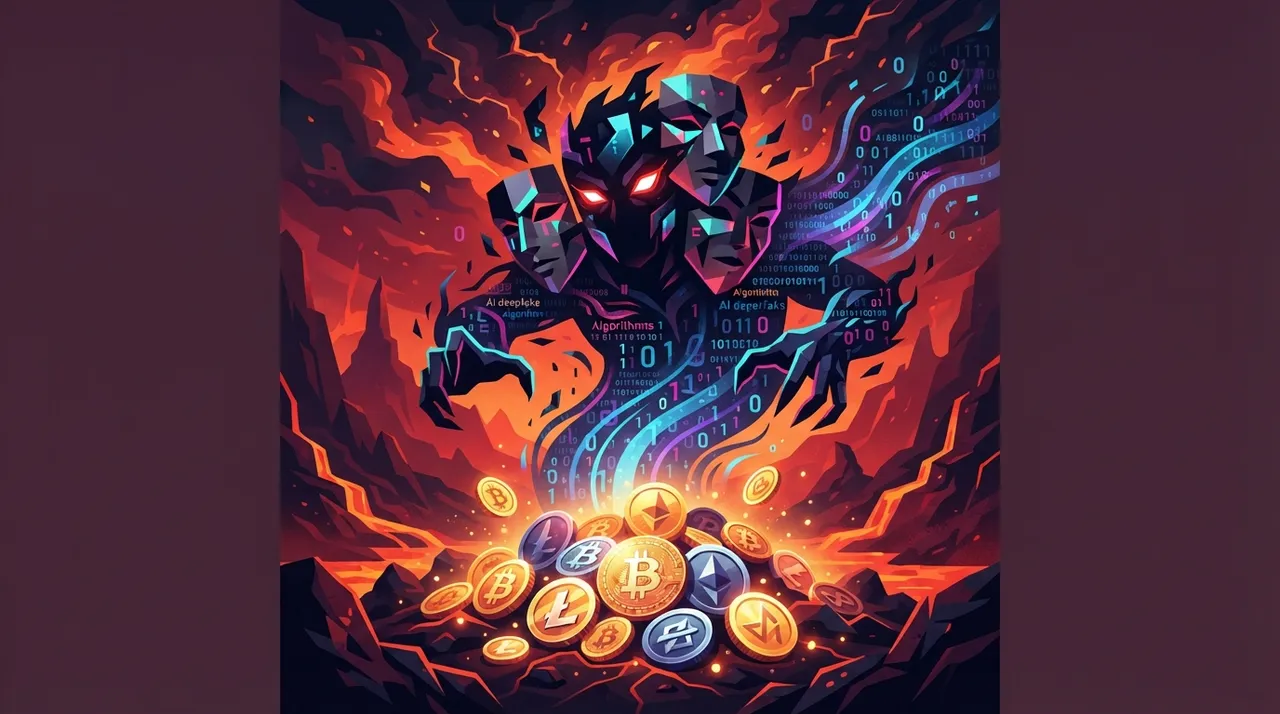
The rapid advancement of artificial intelligence brings incredible opportunities, but also introduces new, more sophisticated threats. In the volatile world of cryptocurrency, deepfake technology is emerging as a particularly insidious weapon, capable of impersonating trusted figures and creating highly convincing fraudulent content. This guide will equip you with the knowledge and practical tools to navigate this new landscape, protecting your investments from the growing peril of AI-powered deception.
The Deepfake Threat: A New Era of Deception
Deepfakes are synthetic media in which a person in an existing image or video is replaced with someone else's likeness. Powered by advanced AI algorithms, these fakes are becoming increasingly difficult to distinguish from genuine content. In the crypto space, attackers are leveraging deepfakes to:
- Impersonate prominent figures: Scammers create deepfake videos or audio of well-known crypto influencers, project founders, or exchange CEOs promoting fake giveaways, fraudulent tokens, or phishing schemes.
- Engineer fake news and market manipulation: Deepfakes can be used to spread fabricated news about projects, partnerships, or regulatory changes, causing panic or artificial pumps/dumps in token prices.
- Bypass KYC (Know Your Customer) protocols: Sophisticated deepfakes might be used in attempts to bypass identity verification processes on exchanges, although this is less common due to robust security measures.
The danger lies in their ability to exploit trust and create a false sense of authenticity, often leading unsuspecting investors to part with their funds.
Understanding the Psychology of Deepfake Scams
Beyond the technical prowess of deepfakes, their effectiveness hinges on psychological manipulation. Scammers often:
- Create urgency: Limited-time offers for high returns, exclusive airdrops, or 'last chance' investment opportunities.
- Leverage authority: Impersonating figures associated with legitimate projects or institutions to instill confidence.
- Exploit FOMO (Fear Of Missing Out): Presenting the deepfake scam as a unique opportunity that early adopters will greatly benefit from.
- Target emotionally vulnerable individuals: Those new to crypto or looking for quick gains are often more susceptible.
Recognizing these psychological triggers is as crucial as identifying the technical flaws in a deepfake.
Practical Steps to Fortify Your Defenses Against Deepfakes
Protecting your crypto assets from deepfake attacks requires a multi-layered approach, combining critical thinking with robust security practices.
- Verify Sources Independently: Never trust a video or audio clip at face value, especially if it's promoting a financial opportunity. Always cross-reference information with official, verified channels (e.g., project's official website, Twitter account with a blue checkmark, direct communication from the team). Be wary of links provided in suspicious content.
- Scrutinize Visual and Auditory Anomalies: While deepfakes are improving, often subtle tells remain. Look for inconsistencies such as:
- Unnatural eye movements or lack of blinking.
- Poor lip-syncing or strange mouth movements.
- Unusual skin texture or lighting discrepancies.
- Robotic or flat voice tones, even if the voice sounds similar.
- Abrupt changes in background or flickering.
- Enable Multi-Factor Authentication (MFA) Everywhere: This is your frontline defense against account takeovers, even if scammers gain partial access through deepfake-induced phishing. Use hardware keys (like YubiKey) or authenticator apps (like Google Authenticator) for critical accounts.
- Educate Yourself on Common Crypto Scams: Deepfakes are merely a new wrapper for old scam tactics. Understand prevalent schemes like fake giveaways, rug pulls, phishing, and impersonation. The more you know about the underlying scam mechanics, the better equipped you are to spot them.
- Be Skeptical of Unsolicited Offers: Legitimate crypto projects rarely solicit investments or offer 'guaranteed' high returns through private messages or unverified public posts. If an offer seems too good to be true, it almost certainly is.
- Use Reputable Security Tools: Employ antivirus software, ad blockers, and secure browsers. While these won't detect deepfakes directly, they enhance your overall digital security posture against associated phishing attempts and malware.
- Stay Informed and Share Knowledge: The deepfake landscape is evolving rapidly. Follow reputable crypto security researchers and news outlets. Share warnings about new deepfake tactics with your network to protect others.
The Future of AI and Crypto Security
As AI continues to advance, so too will the tools for both deception and detection. We are already seeing the emergence of AI-powered deepfake detection tools, though their effectiveness is still evolving. The key for investors will be to remain vigilant, embrace continuous learning, and prioritize robust security practices. The 'Hades' of AI deception is vast, but with awareness and proactive measures, you can navigate its perils safely and protect your valuable crypto investments.




Comments 0
No comments yet — be the first to share your thoughts.
Share your thoughts
To comment, sign in first — we email you a one-time code (no password). This keeps the discussion clean.
Sign in to comment →