
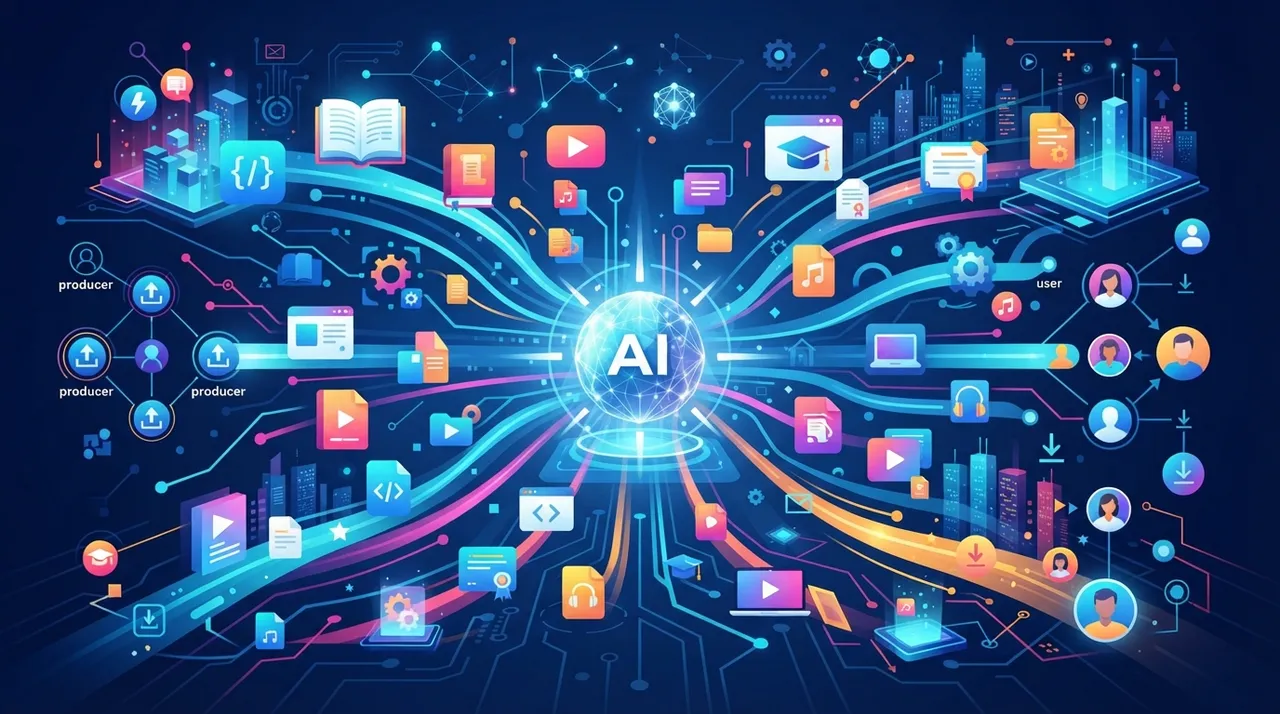
The digital product market continues its rapid expansion in 2026, driven by an increasing demand for online courses, e-books, software, and templates. Artificial intelligence, particularly advanced models like GPT, has become a pivotal force, transforming how these products are developed, marketed, and sold. By automating repetitive tasks, personalizing user experiences, and generating high-quality content, AI offers unprecedented opportunities for creators and entrepreneurs to scale their businesses and increase profitability.
Accelerating Digital Product Creation with AI
AI significantly shortens the development cycle for digital products. Tools powered by GPT can assist in various stages, from initial concept to final delivery:
- Content Generation: AI can draft outlines for e-books, write scripts for online courses, or even generate code snippets for software templates. This drastically reduces the time and effort required for content creation, allowing creators to focus on refining their core ideas.
- Idea Validation: By analyzing market trends and competitor offerings, AI can help identify gaps and validate new product ideas, ensuring they meet a genuine market need.
- Design and Prototyping: AI-driven design tools can generate various design elements, from website mockups to social media graphics, streamlining the visual aspects of digital product development.
AI-Powered Marketing and Sales Strategies
Beyond creation, AI transforms how digital products are marketed and sold. Personalization and efficiency are key:
- Personalized Marketing Campaigns: AI can segment audiences based on behavior and preferences, then generate highly personalized email campaigns, ad copy, and landing page content that resonates with specific customer groups.
- Automated Customer Support: GPT-powered chatbots can handle common customer inquiries, provide instant support, and guide potential buyers through the sales funnel 24/7, improving customer satisfaction and conversion rates.
- Dynamic Pricing: AI algorithms can analyze market demand, competitor pricing, and user behavior to adjust product prices in real-time, optimizing revenue and sales volume.
Optimizing Product Delivery and User Experience
AI also plays a crucial role in enhancing the post-purchase experience and ensuring customer retention:
- Personalized Learning Paths: For online courses, AI can tailor learning paths based on a user's progress and understanding, providing a more effective and engaging educational experience.
- Content Localization: AI translation tools can quickly localize digital products and marketing materials into multiple languages, opening up new international markets.
- Feedback Analysis: AI can analyze customer reviews and feedback to identify common pain points and suggest improvements for future product iterations, fostering continuous improvement and customer loyalty.
6 Practical AI Opportunities for Digital Product Sales in 2026
- Generate High-Quality Course Material: Use GPT to draft lectures, quizzes, and supplementary materials for online courses, focusing on niche topics with high demand.
- Create Engaging E-book Content: Leverage AI to write chapters, summaries, and marketing descriptions for specialized e-books that solve specific problems for target audiences.
- Develop Custom Software Templates: Utilize AI to generate basic code for website templates, app components, or productivity tools, then customize and sell them to businesses or individuals.
- Automate Social Media Content: Employ AI to generate consistent, engaging posts, stories, and ad creatives for various platforms, driving traffic to your digital product store.
- Offer Personalized Product Recommendations: Implement AI to analyze user data and suggest relevant digital products, increasing cross-selling and upselling opportunities.
- Build Interactive Chatbots for Sales Support: Deploy a GPT-powered chatbot on your website to answer questions, guide purchases, and provide instant support, converting more visitors into buyers.
The integration of AI, particularly GPT, into the digital product ecosystem is no longer optional—it's a necessity for competitive advantage. By embracing these tools, creators and entrepreneurs can not only streamline their operations but also unlock new avenues for innovation and significant revenue growth in 2026.






Comments 0
No comments yet — be the first to share your thoughts.
Share your thoughts
To comment, sign in first — we email you a one-time code (no password). This keeps the discussion clean.
Sign in to comment →