
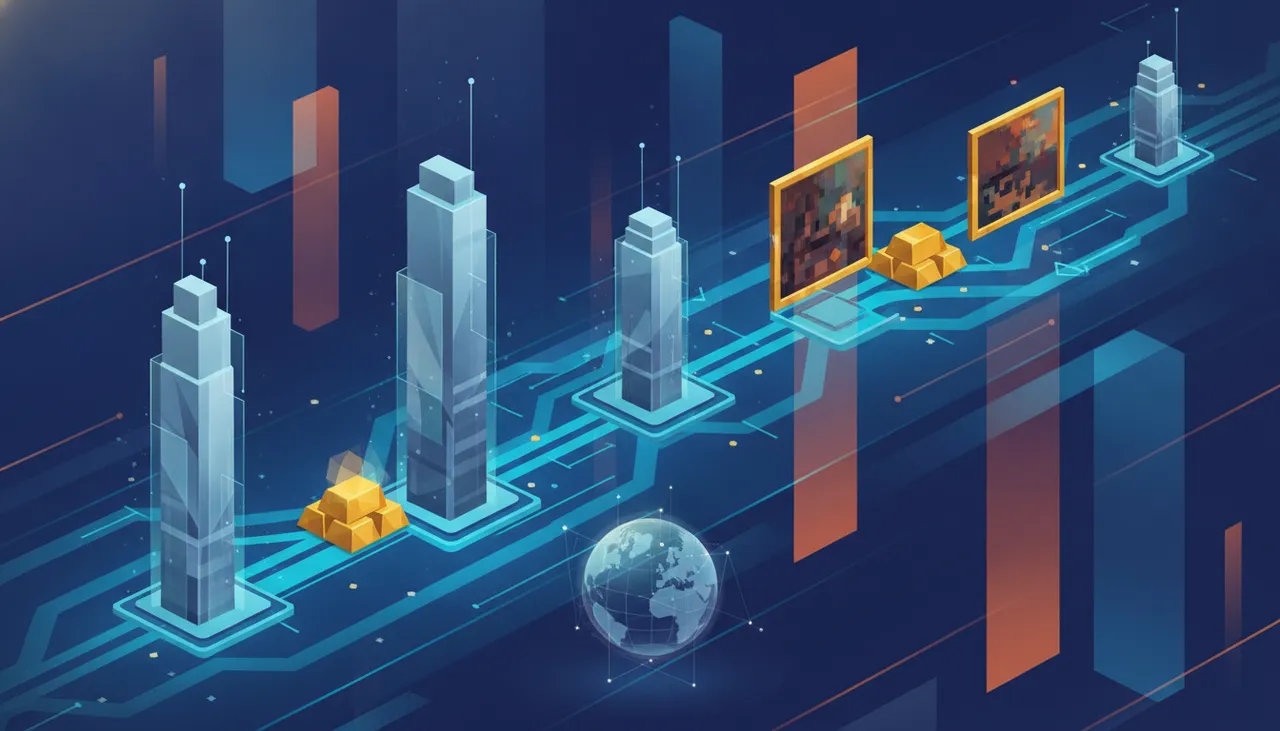
The world of finance is undergoing a significant transformation with the emergence of blockchain technology, and among its most promising trends is the "Real-World Asset (RWA) Tokenization." This concept represents a paradigm shift in how assets are owned and traded, effectively bridging the gap between traditional finance and decentralized finance (DeFi) with unprecedented efficiency. Analysts predict that the RWA market could reach trillions of dollars by 2030, underscoring its pivotal role in shaping the future of investment.
What's New
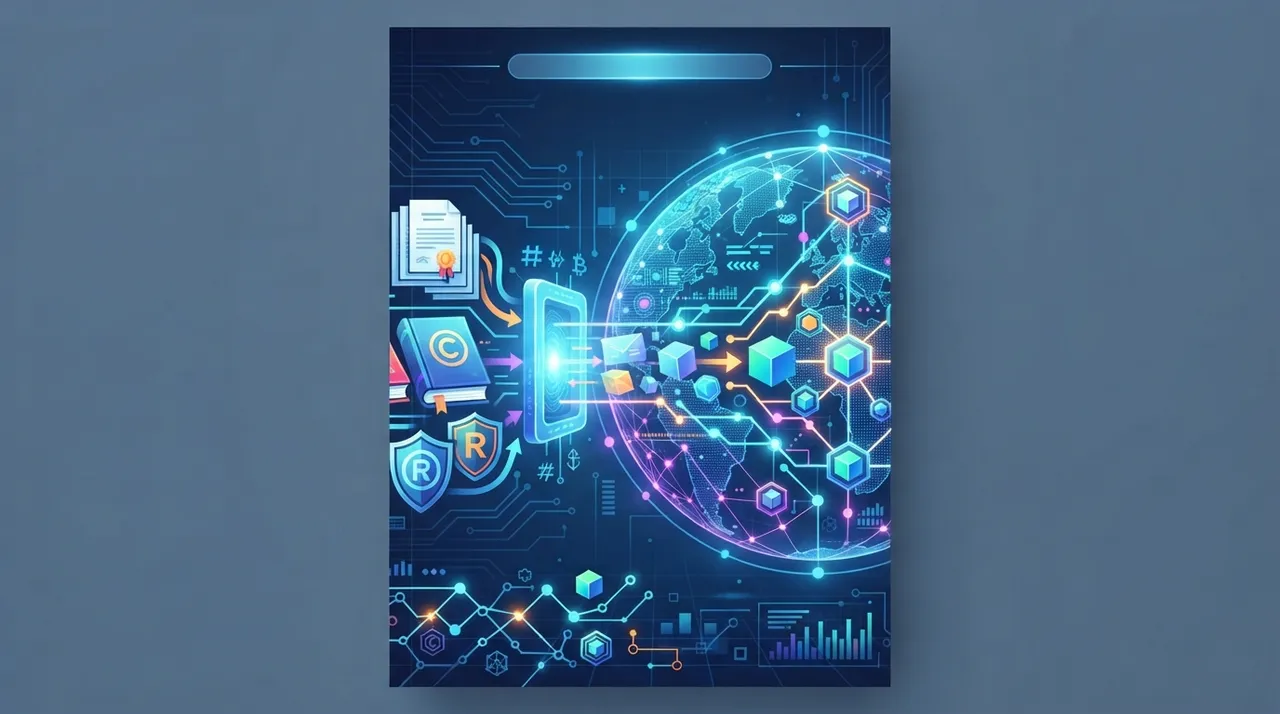
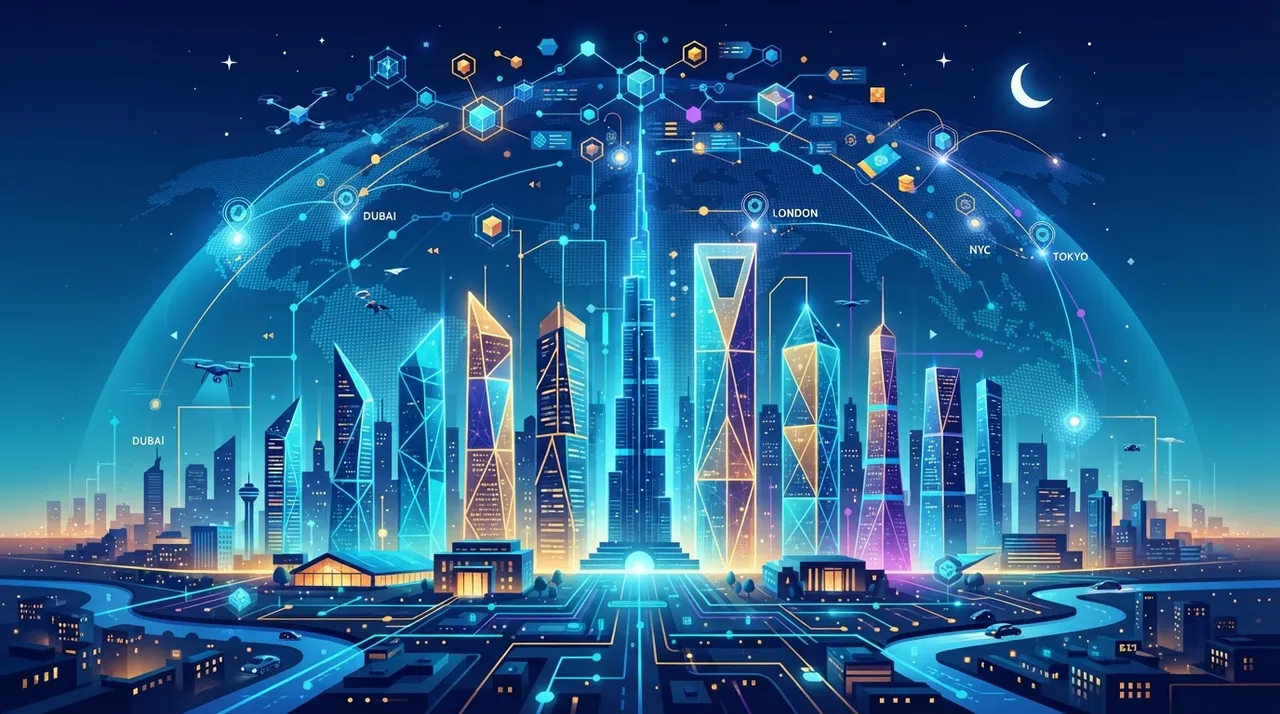
RWA tokenization refers to the process of converting the ownership rights of a physical or intangible asset into a digital token that is recorded and managed on a blockchain network. This token can represent full or fractional ownership of the asset. Tokenizable assets include real estate, precious metals like gold, art and collectibles, stocks and bonds, commodities, and even intellectual property rights. For example, a luxury condominium development in Manhattan was tokenized, allowing investors to buy digital tokens representing shares in the project and receive underlying revenue.
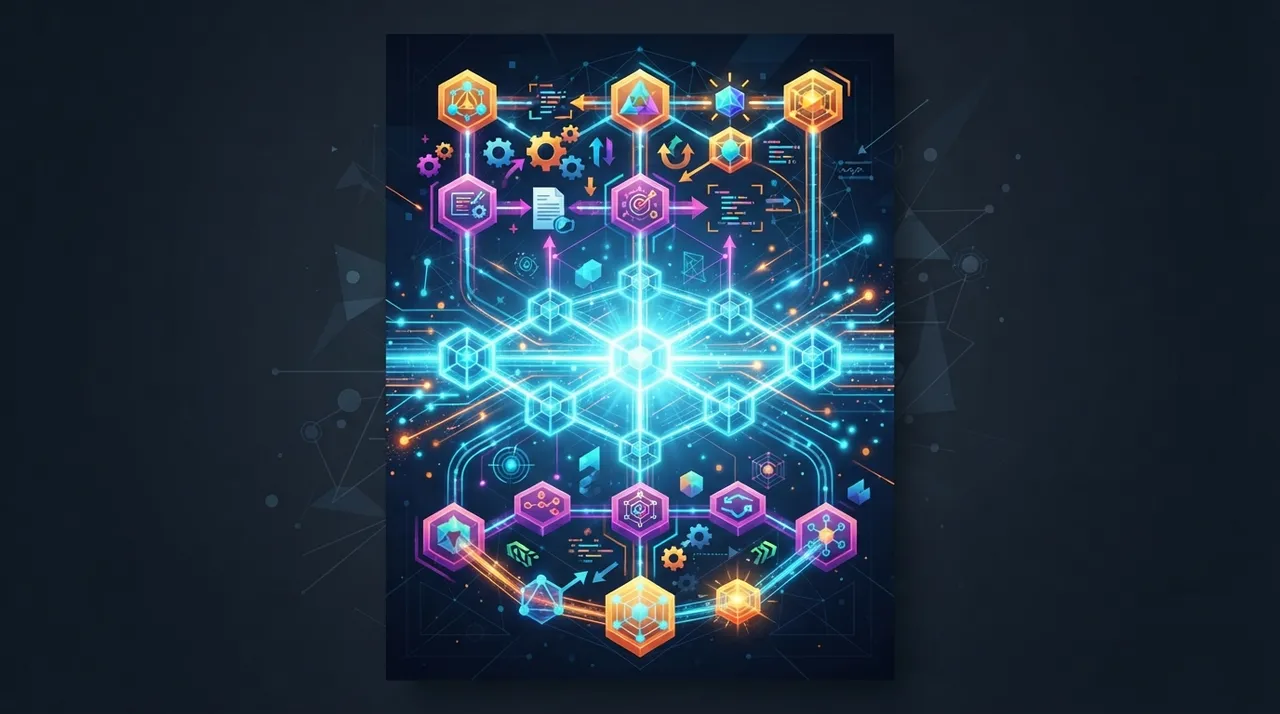
The tokenization process involves several steps: it starts with identifying and valuing the asset to determine the number of tokens to be issued. A Special Purpose Vehicle (SPV) is then created to formally own the property, with the digital tokens representing shares in this entity. The tokens are minted on a blockchain, and their terms are defined and automatically executed by smart contracts.
Why it Matters
RWA tokenization is gaining increasing importance for several key reasons:
- Increased Liquidity and Accessibility: It transforms traditionally illiquid assets, such as real estate and art, into digital assets that can be traded 24/7 on secondary markets. This opens the door for a broader investor base to participate in previously exclusive assets with lower minimum investment thresholds.
- Lower Costs and Faster Transactions: Blockchain technology eliminates the need for many intermediaries, reducing costs associated with asset transfer and significantly accelerating settlement processes. Smart contracts can automate the distribution of income, such as rental income or interest payments.
- Enhanced Transparency and Security: Blockchain technology records all transactions on a public, immutable ledger, providing unparalleled transparency and reducing the risk of fraud.
- Growing Institutional Interest: Tokenized assets are attracting significant interest from major financial institutions. Funds like BlackRock's tokenized money market fund, BUIDL, and Franklin Templeton's OnChain US Government Money Market Fund have accumulated substantial assets under management, demonstrating strong demand for regulated tokenized products. Citi projects the RWA tokenization market could reach $5 trillion by 2026.
Real-world examples illustrate the successful application of tokenization. The Diamond Standard Fund, for instance, has been tokenized for trading in US and Asian markets. Platforms like Lofty and BlocHome have tokenized real estate to enable fractional ownership. Tokenized US Treasuries are also a rapidly growing asset class, offering stable yields to investors.
How Readers Can Practically Benefit (Tools/Steps)
To benefit from this trend, readers can follow these steps:
- Research and Learn: Start by understanding the fundamentals of blockchain technology and how digital tokens work. Seek out reliable resources and analytical articles in this field.
- Explore Regulated Platforms: Specialized platforms are emerging that offer investment opportunities in tokenized assets. Look for platforms that are regulated and provide tokenized assets backed by clear legal entities. Examples include Lofty and BlocHome for tokenized real estate, and Ondo Finance for tokenized US Treasuries.
- Understand the Risks: Despite the advantages, investing in tokenized assets carries risks, including regulatory uncertainties and technological complexities. Ensure you understand these risks before investing.
- Start Small and Diversify: You can begin with small investments to gain experience in the market. It's crucial to diversify your portfolio across different types of tokenized assets or by combining them with traditional investments.
- Utilize Analytical Tools: Use the tools provided by platforms to monitor the performance of tokenized assets and evaluate them, which helps in making informed investment decisions.
RWA tokenization is not just a theoretical concept; it is a rapidly evolving reality that is reshaping the global financial landscape. With increasing institutional adoption and evolving regulatory frameworks, this trend is expected to become an integral part of investors' portfolios, offering investment opportunities that were previously unavailable.
Comments 0
No comments yet — be the first to share your thoughts.
Share your thoughts
To comment, sign in first — we email you a one-time code (no password). This keeps the discussion clean.
Sign in to comment →