

The world of cryptocurrencies has undergone a radical transformation in recent years, and by 2026, investors and developers are focusing on a new generation of innovations centered on real value and efficiency. Decentralized Finance (DeFi) is no longer merely a speculative arena; it has matured into an ecosystem with a total value locked (TVL) ranging between $130 and $140 billion in early 2026. This maturity is leading to the emergence of new trends that are reshaping the digital financial landscape and offering promising opportunities for participants.
What's New
In 2026, innovation in the Decentralized Finance (DeFi) sector is concentrating on three key trends: Liquid Staking, Real-World Asset Tokenization, and Modular Blockchains. These trends represent not just marginal improvements, but structural shifts that are redefining how we interact with digital and traditional assets.
- Liquid Staking: Liquid staking allows users to earn staking rewards while maintaining access to their liquidity. Instead of fully locking assets, users receive tokens representing their staked assets, which can then be utilized across multiple DeFi protocols. This development addresses investor demand for generating yield while retaining liquidity. Protocols like Lido, Rocket Pool, and Frax Ether are leading examples in this space. Lido's total value locked (TVL) has exceeded $30 billion by 2026.
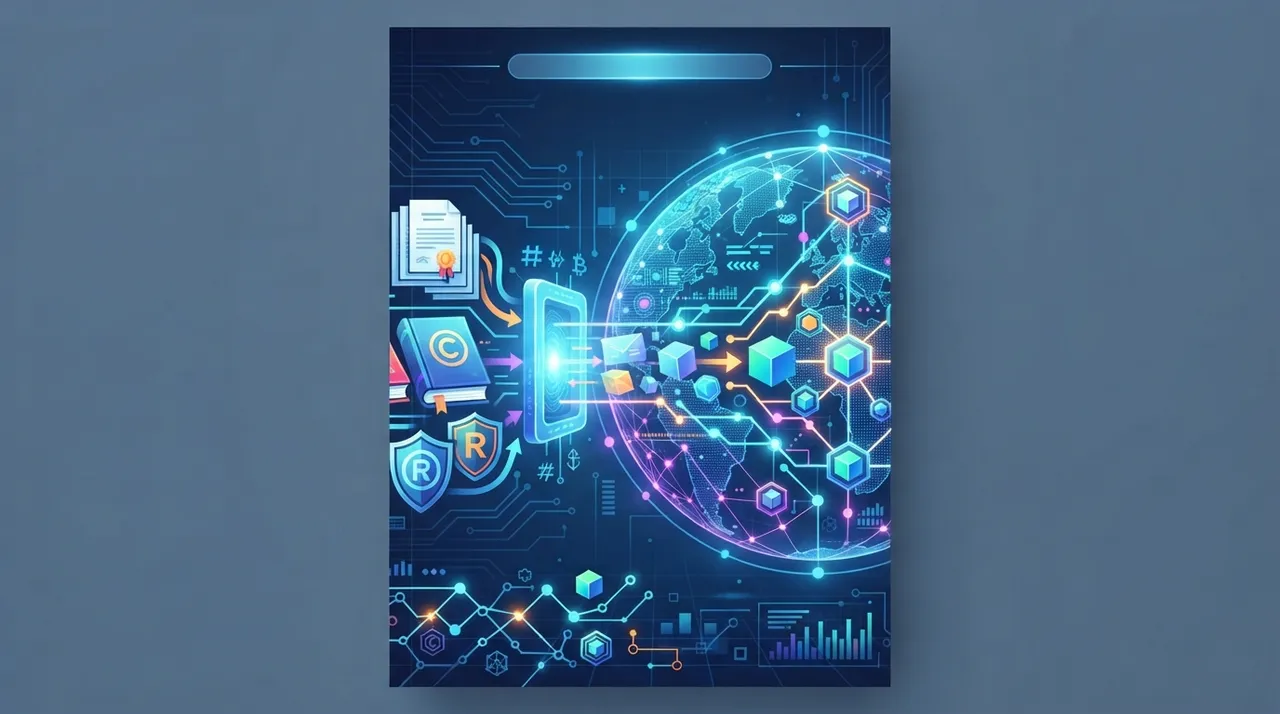
- Real-World Asset Tokenization: Real-World Asset (RWA) tokenization involves the digital representation of traditional financial instruments such as stocks, bonds, real estate, and precious metals on a blockchain network. This trend aims to connect real-world value to digital markets with greater transparency and efficiency. The market for tokenized RWAs grew to over $24 billion by February 2026, with a 266% growth in 2025 alone. Tokenized U.S. Treasuries form the largest category, reaching approximately $9.6 billion.
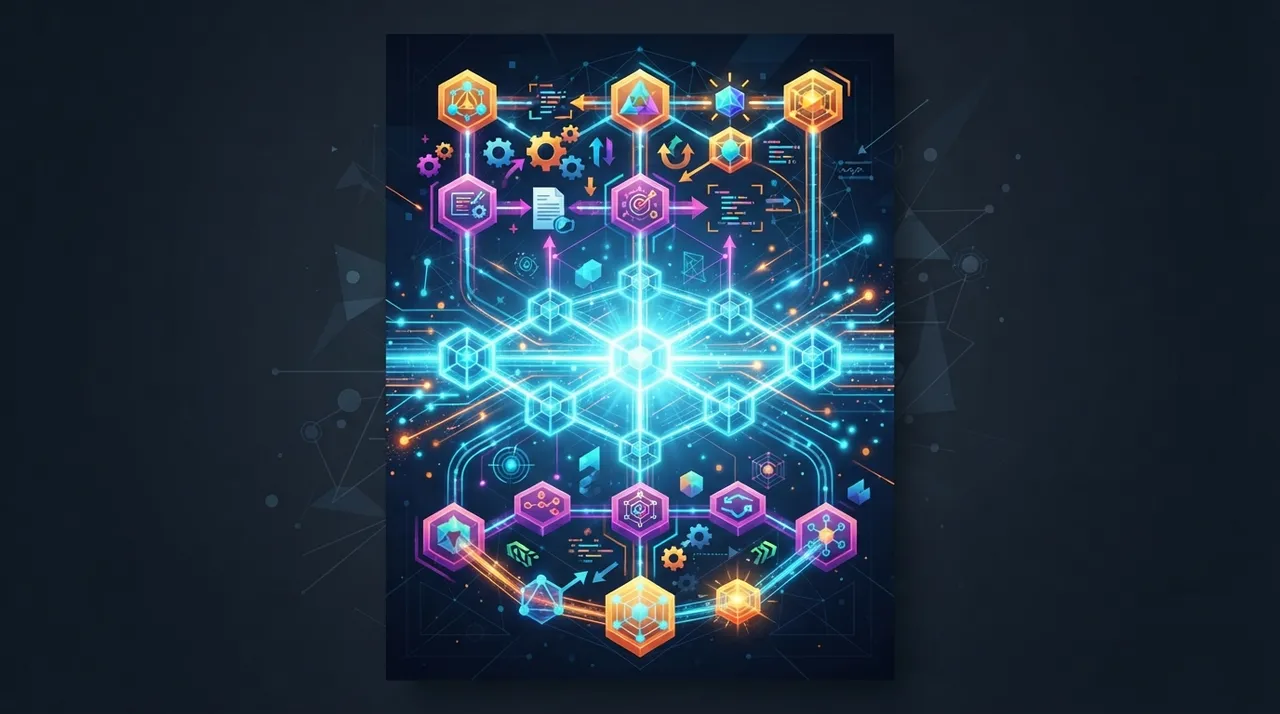
- Modular Blockchains: Unlike monolithic blockchains that perform all functions (execution, settlement, consensus, and data storage) on a single layer, modular blockchains divide these core tasks across specialized layers. This design enhances flexibility, efficiency, and scalability, allowing developers to build custom solutions faster and at lower costs. Modular blockchains have become a fundamental pillar for the development of Layer 2 scaling solutions and aim to solve the blockchain scalability trilemma.
Why It Matters
These trends are critically important for several reasons, most notably:
- Improved Capital Efficiency: Liquid staking enables investors to earn returns on their staked assets while simultaneously using these assets in other DeFi activities, thereby increasing capital efficiency and opening new avenues for yield-generating strategies.
- Attracting Institutional Investment: RWA tokenization provides a bridge between traditional finance and the crypto world, making it easier for institutional investors to access regulated digital assets with predictable yields. This contributes to increased liquidity and transparency in previously illiquid markets. Tokenized Real-World Asset (RWA) ETFs are a key driver in attracting institutional capital.
- Scalability and Innovation: Modular blockchains address the fundamental scalability challenges faced by monolithic blockchains. By specializing tasks, each layer can focus on its function more efficiently, leading to faster and cheaper transactions, and accelerating the pace of innovation in Web3 applications.
- Shift Towards Real Yield: A clear shift is observed in 2026 from token-incentive-based models to protocols that generate real revenue from actual economic activities such as lending, trading, and asset management. This leads to valuing protocols based on their ability to generate stable, long-term cash flows, rather than solely on token emission models.
How to Practically Benefit
To benefit from these new trends in 2026, readers can take the following practical steps:
- Understand Liquid Staking: Start by familiarizing yourself with leading liquid staking protocols like Lido (for staking ETH). Research how to stake assets, obtain liquid tokens (e.g., stETH), and how to use them in other DeFi applications. Remember that liquid staking is not without risks, including smart contract risks and market volatility.
- Explore Real-World Asset Tokenization: Follow developments in the tokenized RWA market through platforms like RWA.xyz. Look for ETFs or tokenized products that offer exposure to assets such as U.S. Treasuries or real estate. Exercise caution and seek out regulated platforms that offer these products.
- Monitor Modular Blockchain Developments: While direct participation might be more complex for the average user, understanding modular blockchain concepts (such as Celestia and execution layers) can help identify promising projects that leverage this technology for scalability. Follow technical blogs and specialized blockchain news sites.
- Focus on Real Yield: Instead of chasing excessively high yields that might be tied to token inflation models, look for DeFi protocols that generate sustainable returns from real economic activities. Lending platforms like Aave, Compound, and Morpho Blue continue to offer relatively stable yields on stablecoins.
- Manage Risks: The cryptocurrency sector still carries significant risks. Evaluate the risks associated with any protocol before depositing funds, including smart contract risks, liquidity risks, and volatility risks. Tools such as regulated CeDeFi (Centralized Decentralized Finance) platforms can help mitigate some of these risks by providing enhanced security and risk management features.
In conclusion, 2026 is witnessing a shift in the DeFi sector towards a more sustainable and efficient financial infrastructure. By understanding these key trends and implementing informed practical steps, participants can capitalize on the opportunities presented by this evolving landscape and contribute to building a more robust and effective digital financial future.




Comments 0
No comments yet — be the first to share your thoughts.
Share your thoughts
To comment, sign in first — we email you a one-time code (no password). This keeps the discussion clean.
Sign in to comment →