
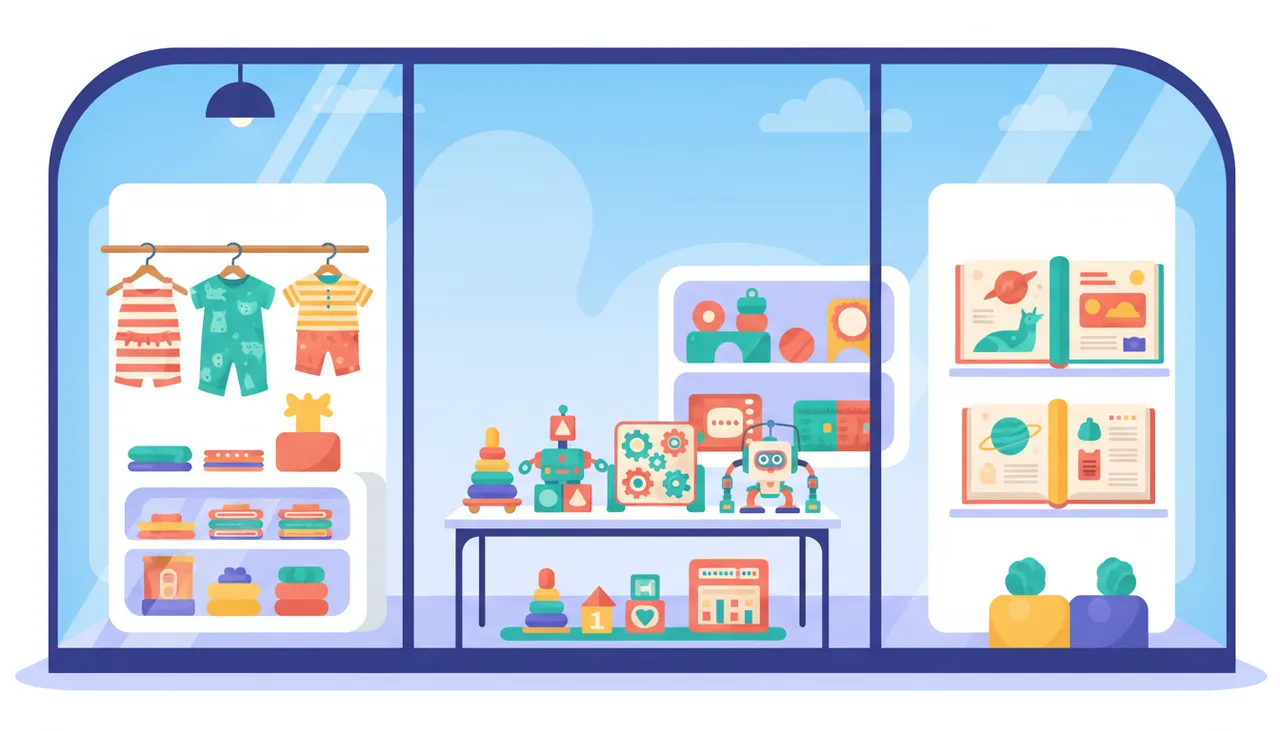
The children's market is dynamic and offers significant growth potential for entrepreneurs who understand its unique needs. Far beyond just toys, this sector encompasses educational tools, apparel, experiences, and services that cater to the evolving demands of parents and children alike. Success hinges on a deep understanding of developmental stages, safety standards, and the psychological drivers behind purchasing decisions.
Identifying Untapped Market Niches
The first step in any successful venture is to pinpoint a specific need that isn't being adequately met. For the children's market, this often means looking beyond the obvious. Consider:
- Sustainable and Ethical Products: Parents are increasingly seeking eco-friendly and ethically sourced items, from organic clothing to recycled toys.
- Educational Tech for Early Learners: Interactive apps, smart toys, and digital learning platforms designed for preschoolers and early elementary students offer a vast, rapidly evolving space.
- Customized Experiences: Personalized books, tailored learning kits, or bespoke party services can create unique value propositions.
- Support for Parents: Products or services that simplify parenting tasks, such as smart organization tools for children's items, or subscription boxes for busy parents.
Developing Engaging and Safe Products
Once a niche is identified, product development must prioritize both engagement and safety. Children's products are subject to stringent safety regulations globally. Beyond compliance, true success comes from creating items that genuinely captivate children and provide value to parents.
- User-Centered Design: Involve children (and parents) in the design process through surveys, focus groups, or beta testing. Their feedback is invaluable.
- Educational Value: Integrate learning opportunities into toys and products, promoting cognitive, motor, or social skills development.
- Durability and Quality: Parents invest in products they expect to last, so robust construction and high-quality materials are crucial.
- Safety First: Adhere to all relevant safety standards (e.g., ASTM F963 in the US, EN 71 in Europe). This is non-negotiable and builds trust.
Effective Marketing and Brand Building
Reaching your target audience—typically parents making purchasing decisions—requires a nuanced marketing approach. Authenticity and trust are paramount.
- Content Marketing: Create valuable content that addresses parents' concerns, offers tips, or showcases the benefits of your products. This could be blog posts, videos, or social media guides.
- Social Media Engagement: Platforms like Instagram and Pinterest are highly visual and popular among parents. Focus on community building and demonstrating product use.
- Influencer Collaborations: Partner with parenting bloggers or influencers whose audience aligns with your target market.
- Storytelling: Weave a compelling narrative around your brand – its mission, values, and how it benefits children and families.
- Online Marketplaces: Consider selling on platforms like Etsy or Amazon to gain initial traction, or use a dedicated e-commerce platform like Shopify for greater control.
Operational Steps for Launching Your Children's Business
- Market Research & Niche Validation: Conduct thorough research to confirm demand for your product idea.
- Business Plan Development: Outline your product, target market, marketing strategy, financial projections, and operational plan.
- Product Design & Prototyping: Develop detailed designs and create prototypes for testing and refinement.
- Legal and Safety Compliance: Ensure all products meet local and international safety standards and obtain necessary certifications.
- Supplier Sourcing & Manufacturing: Identify reliable suppliers and manufacturers who can meet your quality and safety requirements.
- E-commerce Platform Setup: Build your online store using platforms like Shopify, focusing on an intuitive user experience and appealing visuals.
- Pre-Launch Marketing: Generate buzz through social media, email lists, and early bird offers before your official launch.
- Launch & Post-Launch Analysis: Monitor sales, gather customer feedback, and iterate on your products and strategies.
Launching a children's business is a deeply rewarding endeavor. By focusing on genuine needs, prioritizing safety and quality, and engaging thoughtfully with your audience, you can build a brand that not only thrives financially but also positively impacts the lives of children and families.








Comments 0
No comments yet — be the first to share your thoughts.
Share your thoughts
To comment, sign in first — we email you a one-time code (no password). This keeps the discussion clean.
Sign in to comment →