
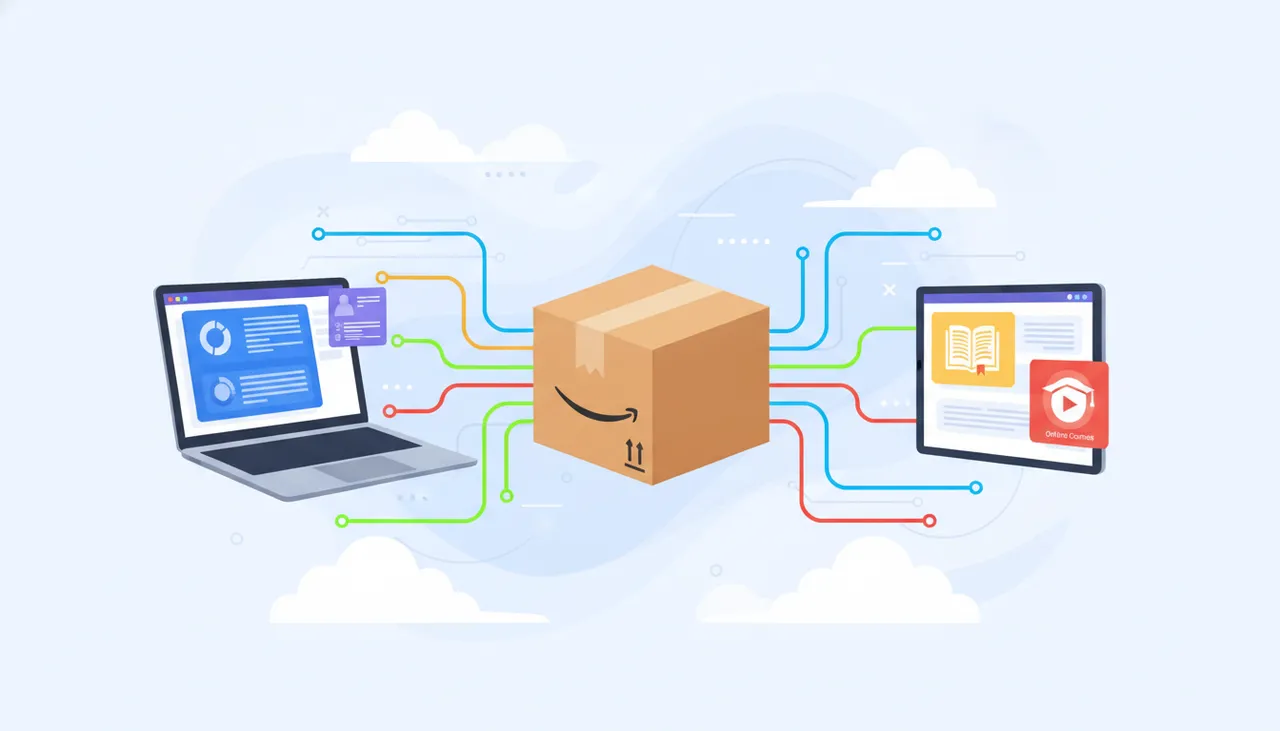
The Amazon FBA (Fulfillment by Amazon) model remains a robust path to e-commerce success. However, in 2026, relying solely on physical product sales can limit your growth potential. The real power lies in creating a diversified ecosystem that integrates FBA with complementary revenue streams: affiliate marketing and digital product sales. This strategic combination not only amplifies your income but also builds a more resilient and scalable business.
Why Diversify Beyond Traditional FBA?
While FBA offers unparalleled logistical advantages, it comes with inherent limitations. You're dependent on Amazon's platform, policies, and fee structures. Diversifying with affiliate marketing and digital products mitigates these risks and opens new avenues for profit:
- Increased Revenue Per Customer: Maximize the value of each customer by offering them both physical (FBA) and digital products, or by recommending related products as an affiliate.
- Reduced Reliance on Amazon: Building your own audience and selling digital products gives you more control and a direct relationship with your customers.
- Lower Overhead & Higher Margins: Digital products often have zero cost of goods sold (COGS) after creation, leading to significantly higher profit margins. Affiliate marketing requires no inventory at all.
- Passive Income Potential: Once created, digital products can generate passive income for years. Affiliate links can continue to earn commissions long after initial promotion.
- Enhanced Brand Authority: Offering valuable digital content (eBooks, courses) alongside your physical products positions you as an expert, building trust and loyalty.
Integrating Affiliate Marketing with Your FBA Business
Affiliate marketing is a natural fit for FBA sellers. You already understand your niche and target audience. Leverage this knowledge to recommend complementary products and earn commissions.
Practical Steps for Affiliate Integration:
- Identify Complementary Products: Think beyond your own FBA inventory. What other products does your ideal customer need or want? (e.g., if you sell kitchen gadgets, recommend cookbooks, cleaning supplies, or meal prep services).
- Choose Relevant Affiliate Programs: Amazon Associates is an obvious choice, allowing you to earn commissions on virtually any product sold on Amazon. Explore other platforms like ShareASale, CJ Affiliate, or direct programs from brands in your niche.
- Content is King: Create valuable content (blog posts, YouTube reviews, social media guides) that naturally incorporates your affiliate links. Focus on solving problems or adding value for your audience. For example, a blog post titled "5 Must-Have Accessories for Your New Smartwatch" can feature both your FBA smartwatch strap and affiliate links for screen protectors, charging stands, and apps.
- Leverage Your FBA Product Listings (Creatively): While Amazon strictly limits external links on product pages, you can drive traffic to your own content hub (website/blog) through your brand's social media, packaging inserts, or email marketing (collected from FBA orders, if permitted).
- Build an Email List: This is crucial. Use FBA packaging inserts to offer a free digital resource (e.g., a guide, checklist) in exchange for an email address. Your email list becomes a powerful channel for promoting both FBA and affiliate products.
Monetizing with Digital Products Alongside FBA
Digital products allow you to leverage your expertise and create assets with high-profit margins. They can be standalone offerings or serve as lead magnets for your FBA products.
Types of Digital Products to Consider:
- eBooks/Guides: Deep dive into topics related to your niche. (e.g., a "Beginner's Guide to Healthy Cooking" for kitchenware sellers).
- Online Courses/Workshops: Offer more in-depth training or skill development.
- Printables/Templates: Checklists, meal planners, design templates relevant to your audience.
- Software/SaaS Subscriptions: If you have technical expertise, develop a tool that complements your niche.
- Exclusive Content/Memberships: Offer premium access to unique content, community, or coaching.
Execution Strategy for Digital Products:
- Identify Pain Points/Needs: What problems do your FBA customers face that a digital product could solve? Surveys, reviews, and customer service interactions are goldmines for ideas.
- Create High-Quality Content: Invest time in producing valuable, well-researched, and professionally presented digital products.
- Choose a Selling Platform: Platforms like Gumroad, Teachable, or Kajabi are excellent for selling digital products and courses. You can also integrate them directly into your own website.
- Promote Strategically:
- Website/Blog: Create dedicated sales pages.
- Email Marketing: Announce new digital products to your list.
- Social Media: Share snippets, testimonials, and launch promotions.
- FBA Integration: Mention your digital products in packaging inserts (e.g., "Get our exclusive guide on X for free at [your website]"), or use them as bonus content for FBA purchases.
- Iterate and Improve: Gather feedback, update your products, and expand your digital offerings over time.
Building a Unified Brand Experience
The key to success in this integrated model is to present a cohesive brand. Your FBA products, affiliate recommendations, and digital offerings should all feel like part of the same valuable ecosystem.
- Consistent Branding: Use the same logo, colors, and tone across all your platforms.
- Clear Value Proposition: Articulate how all your offerings work together to serve your customer's needs.
- Customer Journey Mapping: Design a path that guides customers from discovering your FBA product to engaging with your digital content and potentially purchasing affiliate-recommended items.
By consciously weaving affiliate marketing and digital products into your Amazon FBA strategy, you're not just adding revenue streams; you're building a more robust, diversified, and future-proof e-commerce enterprise for 2026 and beyond. This approach transforms you from a product seller into a comprehensive solution provider in your niche, securing long-term growth and profitability.




Comments 0
No comments yet — be the first to share your thoughts.
Share your thoughts
To comment, sign in first — we email you a one-time code (no password). This keeps the discussion clean.
Sign in to comment →