
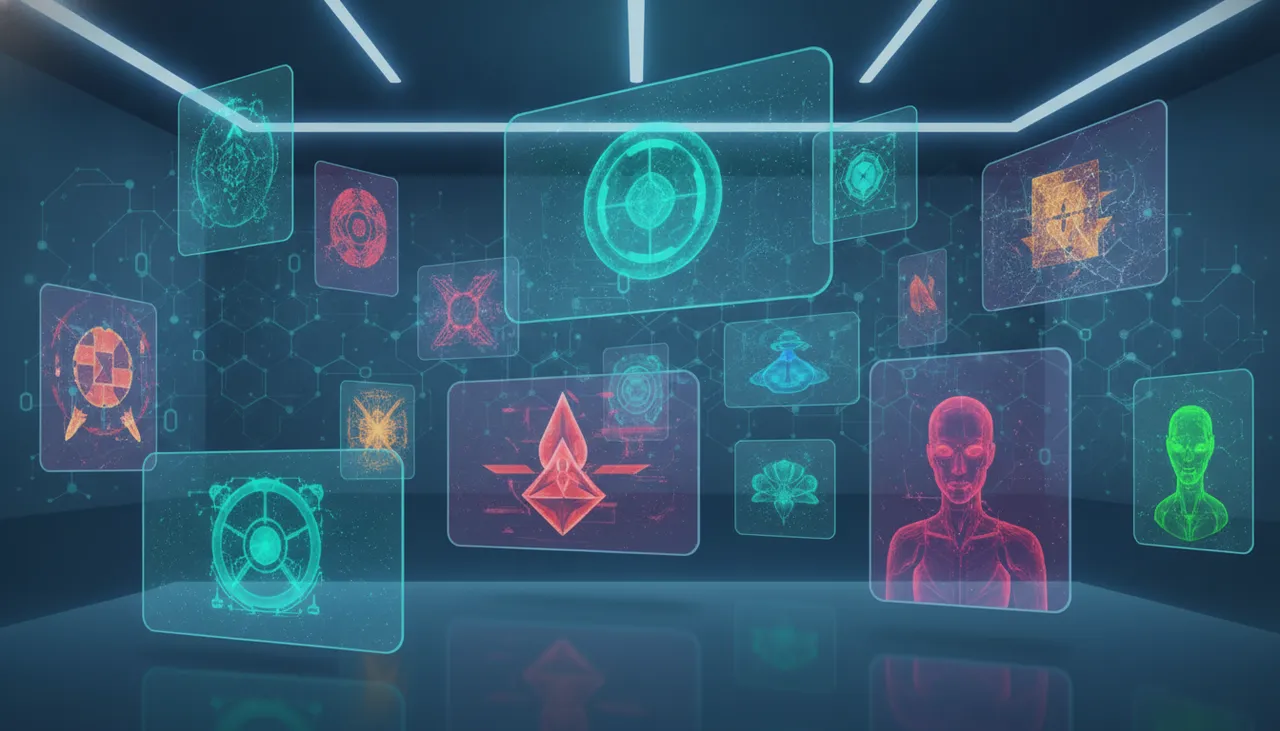
The convergence of artificial intelligence and Non-Fungible Tokens (NFTs) has unlocked a new frontier for digital artists and entrepreneurs. Imagine taking your personal photo collection—landscapes, portraits, everyday objects—and transforming them into unique, blockchain-backed digital assets that can be bought, sold, and traded. This isn't just about applying a filter; it's about leveraging advanced AI algorithms to create truly distinctive art pieces, each with its own verifiable authenticity and scarcity.
The AI Revolution in Digital Art Creation
AI's role in image generation has evolved dramatically, moving beyond simple enhancements to complex creative processes. Tools powered by Generative Adversarial Networks (GANs) and diffusion models can analyze existing images and generate entirely new ones that maintain artistic integrity while offering unique aesthetics. For NFT creators, this means the ability to produce large collections of distinct artworks quickly and efficiently, bypassing the traditional constraints of manual creation.
Why AI for NFT Creation?
- Uniqueness at Scale: AI can generate countless variations from a single input image, ensuring each NFT is distinct.
- Reduced Manual Effort: Automates much of the artistic process, freeing creators to focus on concept and marketing.
- Accessibility: Lowers the barrier to entry for individuals without traditional art skills to participate in the digital art market.
- Innovation: Pushes the boundaries of what's possible in digital art, leading to novel artistic styles and expressions.
Selecting the Right AI Tools for Transformation
Choosing the appropriate AI tools is crucial for this venture. Focus on platforms that offer robust image generation capabilities, user-friendly interfaces, and flexibility in customization. While many tools exist, some stand out for their ability to interpret and transform existing images effectively into unique artistic styles suitable for NFTs.
- Diffusion Models (e.g., Midjourney, Stable Diffusion): Excellent for transforming photos into various artistic styles, from abstract to photorealistic. They allow for significant control over the output through detailed text prompts.
- GAN-based Art Generators (e.g., Artbreeder): These can blend different images or concepts to create entirely new, often surreal, compositions. Ideal for generating unique character profiles or abstract pieces.
- Style Transfer Tools: While simpler, these can apply the artistic style of one image onto another, offering a quick way to create aesthetically distinct versions of your photos.
Step-by-Step: Turning Photos into Profitable NFTs
This process combines artistic vision with technical execution to maximize your earning potential.
- Curate Your Photo Collection: Start with high-quality photos that have potential for artistic transformation. Consider images with strong compositions, interesting subjects, or personal significance.
- Choose Your AI Tool(s) and Experiment: Upload your selected photos to your chosen AI platform. Experiment with different prompts, styles, and parameters. For example, if using Midjourney, you might prompt with `/imagine your photo URL here --ar 16:9 --style raw --v 5.2` then refine with specific artistic descriptors like 'oil painting, cyberpunk aesthetic, vibrant colors'.
- Refine and Enhance the AI Output: The initial AI output might need some post-processing. Use image editing software (like Adobe Photoshop or GIMP) to adjust colors, contrast, add textures, or fix minor imperfections. The goal is to elevate the AI-generated art to a professional standard.
- Mint Your NFTs: Once satisfied with your digital art, you'll need to mint them as NFTs on a blockchain. Platforms like OpenSea or Rarible simplify this process. You'll need a crypto wallet (e.g., MetaMask) funded with the native cryptocurrency of your chosen blockchain (e.g., ETH for Ethereum). When minting, provide a compelling description, set royalties for secondary sales, and choose a suitable pricing strategy.
- Market Your NFT Collection: Promotion is key. Share your NFTs on social media, engage with NFT communities on platforms like Discord and X (formerly Twitter), and highlight the unique story or artistic process behind your collection. Consider collaborations or showcasing your work in virtual galleries.
Monetization Strategies and the Web3 Ecosystem
Beyond direct sales, the Web3 ecosystem offers various avenues for monetization. Building a strong community around your art can lead to increased engagement and value. Consider creating limited editions, offering exclusive content to holders, or even developing a roadmap for future collections that rewards early supporters. Understanding the nuances of gas fees, royalty structures, and secondary market dynamics is crucial for sustainable success.
Remember, the NFT market is dynamic. Staying informed about trends, engaging with your audience, and continuously innovating your artistic approach will be vital for long-term profitability. This journey isn't just about creating digital assets; it's about building a brand and a legacy within the decentralized web.
Comments 0
No comments yet — be the first to share your thoughts.
Share your thoughts
To comment, sign in first — we email you a one-time code (no password). This keeps the discussion clean.
Sign in to comment →